White-Rumped Munia or Scaly-Breasted Munia?
Here's how to tell the difference
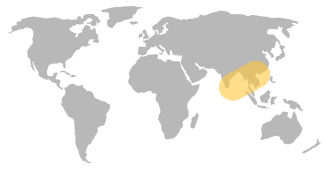
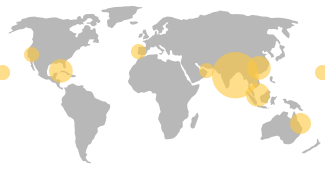

White-Rumped Munia
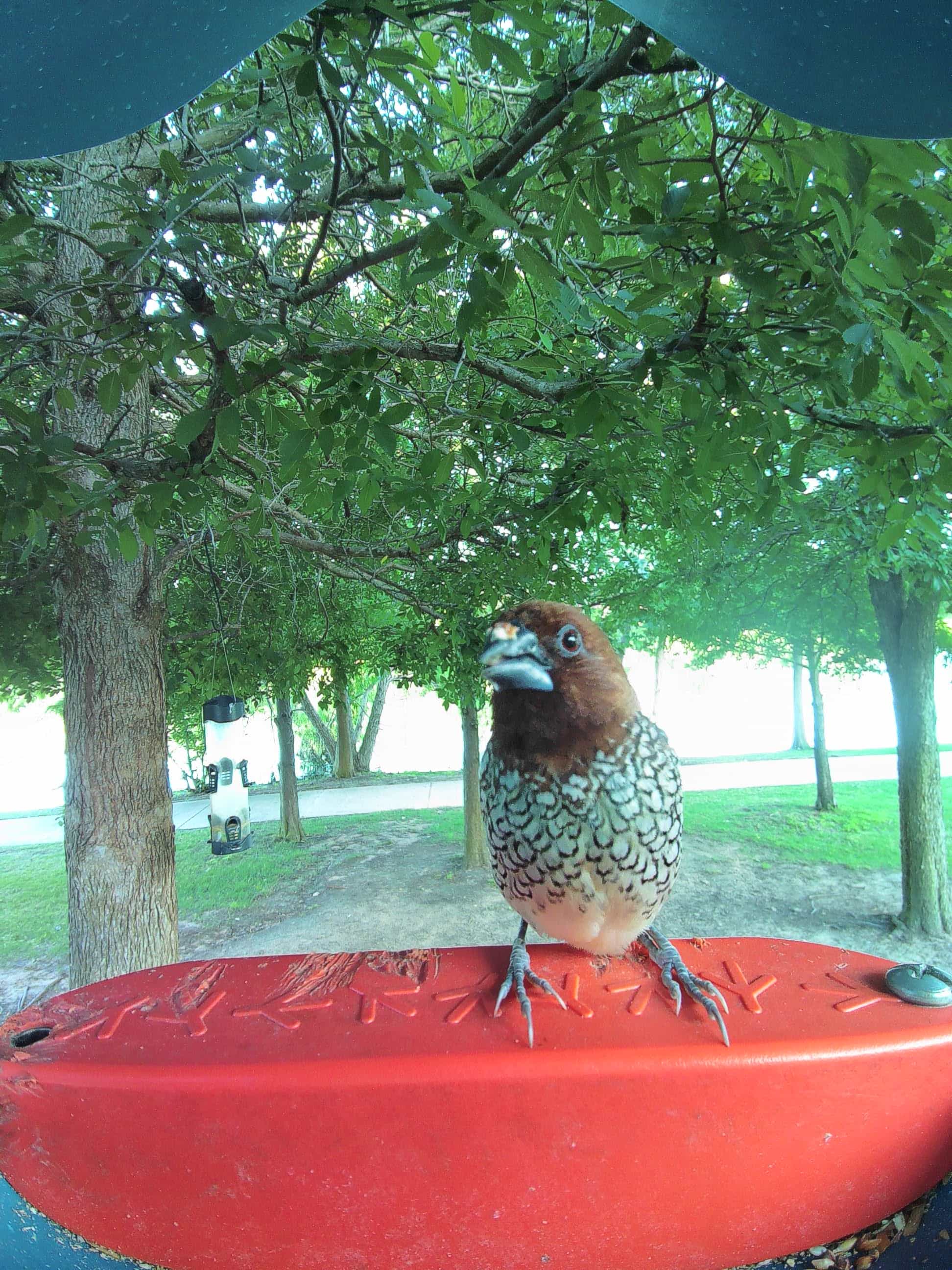


Scaly-Breasted Munia
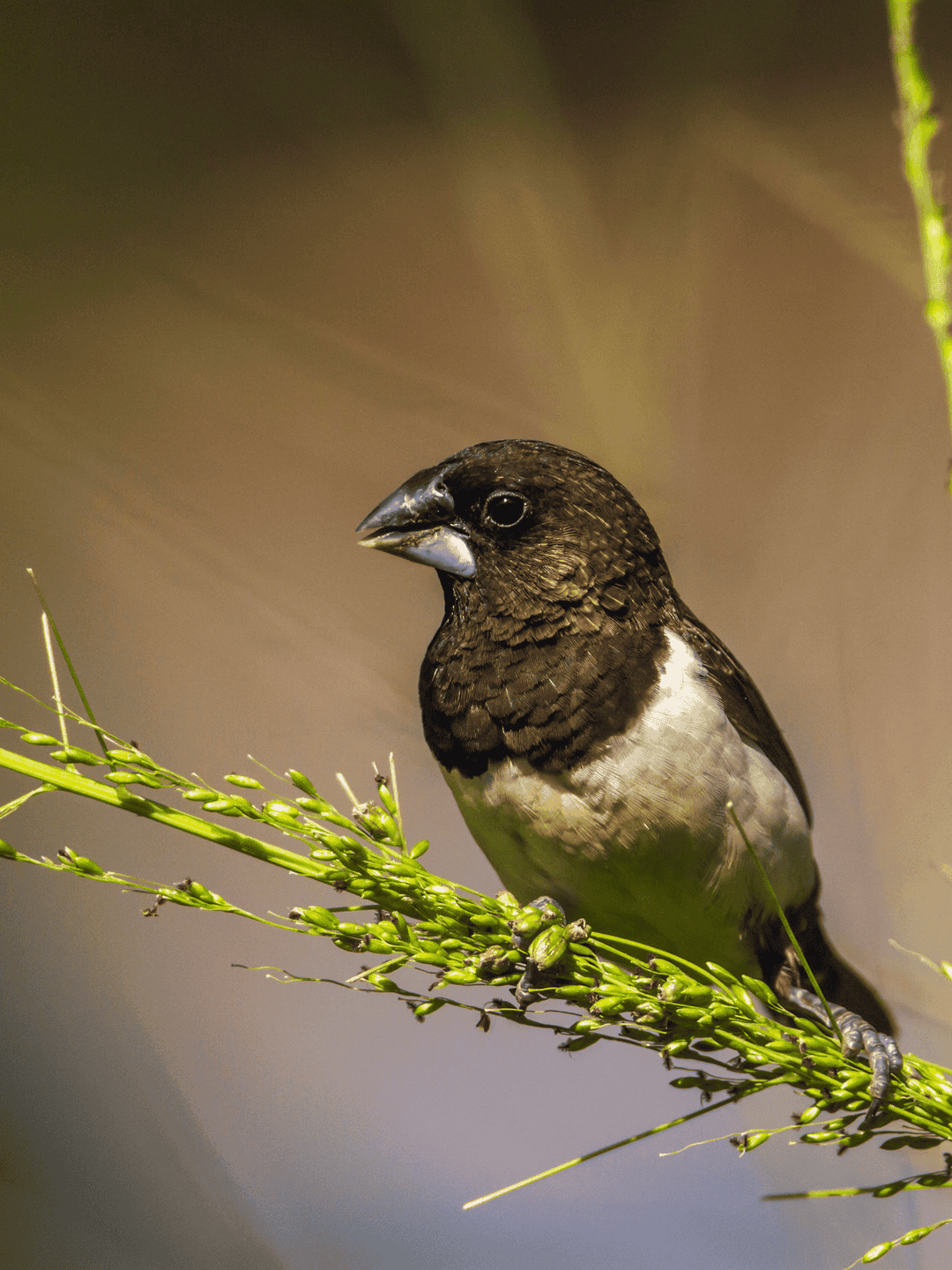
White-Rumped Munia
Lonchura striata
Also known as: White-Rumped Mannikin, Striated Finch
General appearance
The white-rumped munia is a small bird native to tropical regions in Asia. Adults have characteristic black plumage with a sharp contrast to their white rump and belly. Their compact, stout bodies feature a strong, conical beak designed for seed-eating, while their short and pointed wings facilitate rapid flight.
Male vs female
In terms of physical appearance, there is minimal sexual dimorphism in white-rumped munias. Both males and females share the same colour patterns and size. However, during the breeding season, the male can be identified by its song and display rituals, which include puffing up their feathers, posturing, and an audible, musical call, actions not performed by the female.
Juvenile
Juvenile white-rumped munias have a noticeably different appearance from adults. They possess a dull, brown colouration overall, as opposed to the distinctive black and white seen in adults. This aids in camouflage from predators. The juvenile's beak is also paler than the adults'. As they mature, they gradually acquire the adult's striking coloration and characteristics.
Size
4.3 - 4.7 in/0.3 - 0.5 oz
There's more to learn about White-Rumped Munia
View full detailsScaly-Breasted Munia
Lonchura punctulata
Also known as: Spotted Munia, Nutmeg Mannikin, Spice Finch
General appearance
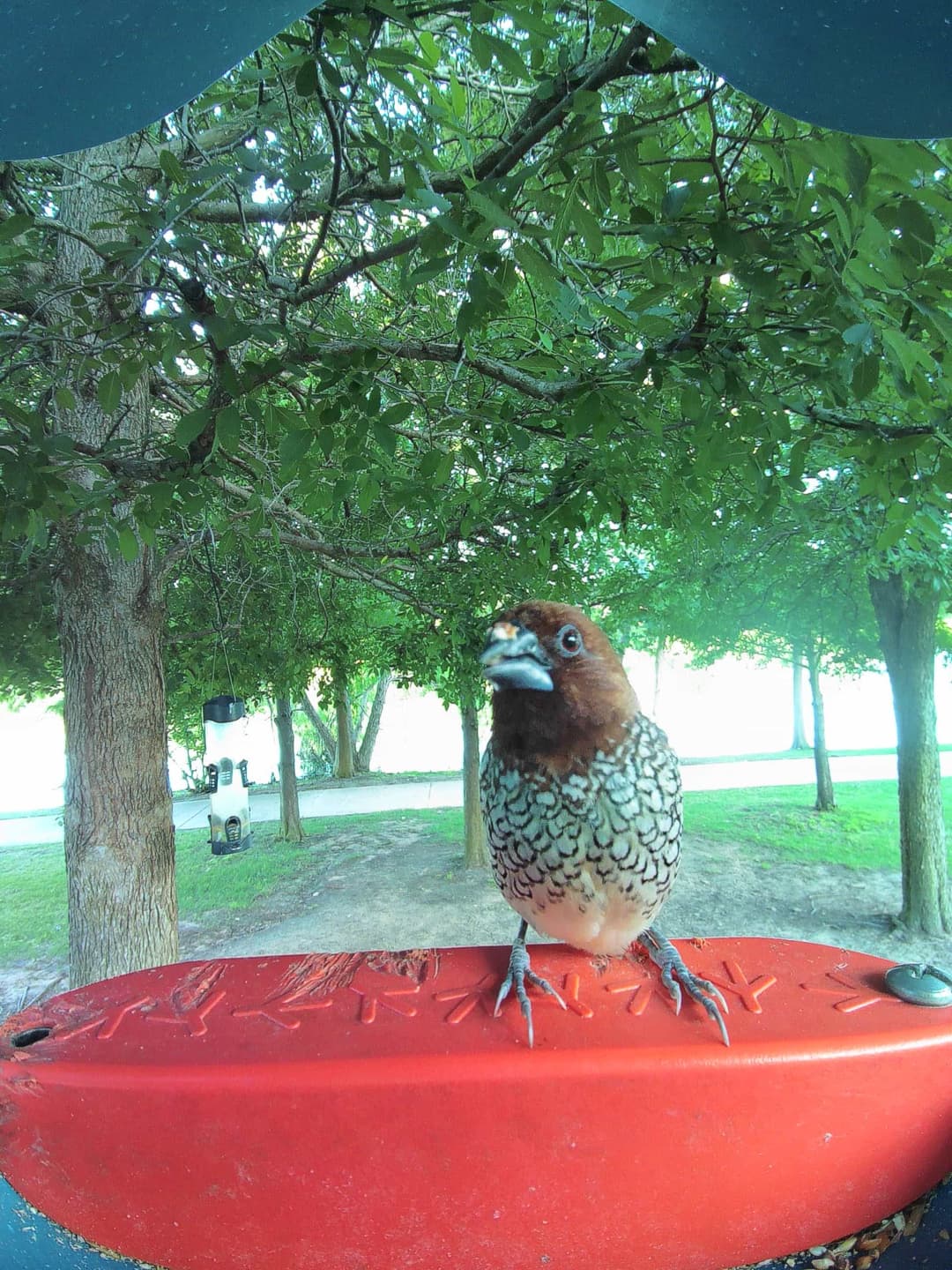
The scaly-breasted munia is a small passerine bird featuring a distinctive scale-like pattern on its breast and underparts. Its feathers are generally brown, with darker brown or black scaling. The wings and back have a warm chestnut hue, and the tail is short and pointed. The beak is stout and conical, ideal for seed-eating.
Male vs female
There is minimal sexual dimorphism in scaly-breasted munias. Both males and females have similar coloration and patterns, making them challenging to differentiate visually. However, during the breeding season, males may exhibit slightly more vibrant feathering and engage in courtship behaviors such as singing.
Juvenile
Juvenile scaly-breasted munias lack the distinct scale pattern of adults. Their plumage is primarily plain brown with lighter underparts, providing camouflage from predators. Over time, as they mature, the distinctive scaled pattern emerges. Identification in the wild involves listening for their soft calls and observing their social behavior in flocks, usually in grasslands and wetlands.
Size
3.9 - 5.1 in/0.4 - 0.6 oz
There's more to learn about Scaly-Breasted Munia
View full detailsHow to tell the White-Rumped Munia from the Scaly-Breasted Munia
Visual differences
White-Rumped Munia (Lonchura striata) and Scaly-Breasted Munia (Lonchura punctulata) differ visually. White-Rumped Munias have striking black plumage with a white rump and belly, while Scaly-Breasted Munias have brown feathers and distinctive dark scaling on the breast and underparts. Both birds have short, pointed tails and stout, conical beaks. White-Rumped Munias measure about 4.3-4.7 inches and weigh 0.3-0.5 oz, whereas Scaly-Breasted Munias are slightly larger, measuring 4-5 inches and weighing 0.4-0.6 oz.
Key differences and behavior
The White-Rumped Munia (3.3-4.6 oz; 4.3-4.7 in) often thrives in open fields and urban settings, forming monogamous pairs during breeding. Males perform distinct displays and sing to attract mates. They camouflage well but flock frequently. Their diet is seed-focused, with urban birds visiting feeders. In contrast, the Scaly-Breasted Munia (4.2-5.6 oz; 3.9-5.1 in) occupies brushy fields and wetland edges, exhibiting sociable behavior and often roosting with other species. Both sexes display similarly, flick their tails before flight, and partake equally in nest building and chick rearing. Their diet is seed-centric, supplemented at feeders. Recognizable by their vigorous social interactions, Scaly-Breasted Munias adapt to more varied environments compared to the White-Rumped, which prefer more specific grassland locales.
Still not sure? Here are more lookalikes!

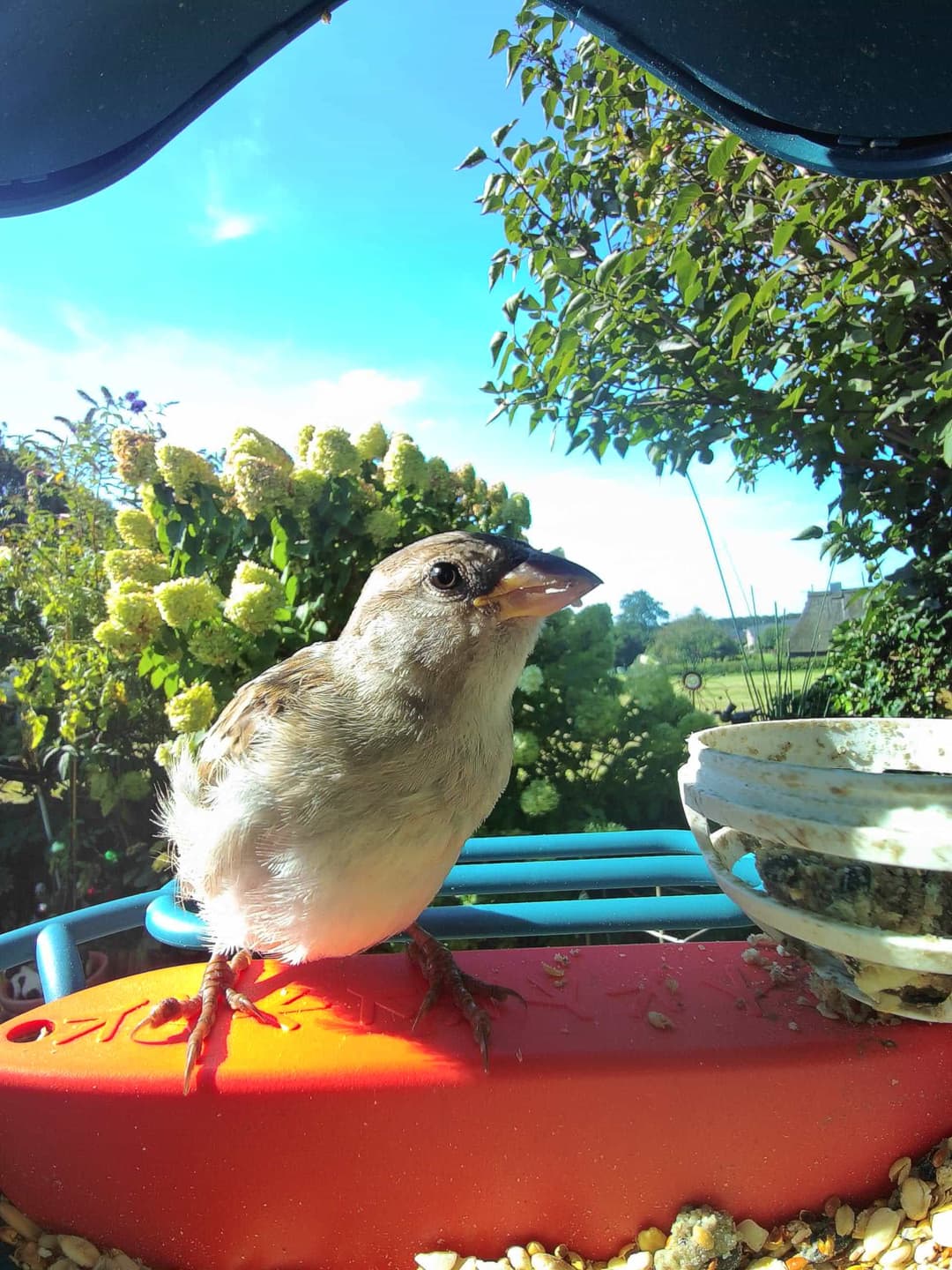
Scaly-Breasted Munia vs House Sparrow
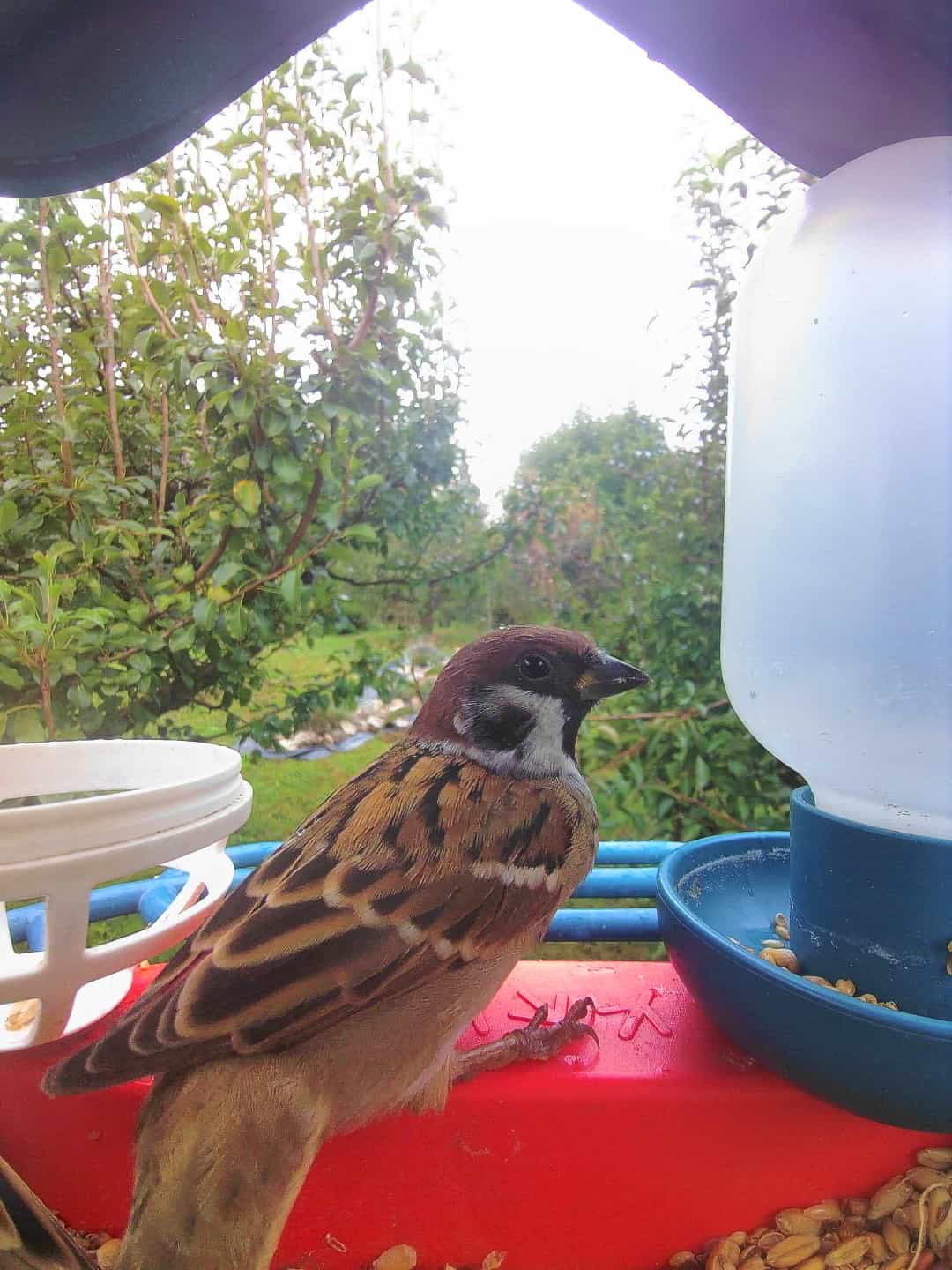
Scaly-Breasted Munia vs Eurasian Tree Sparrow
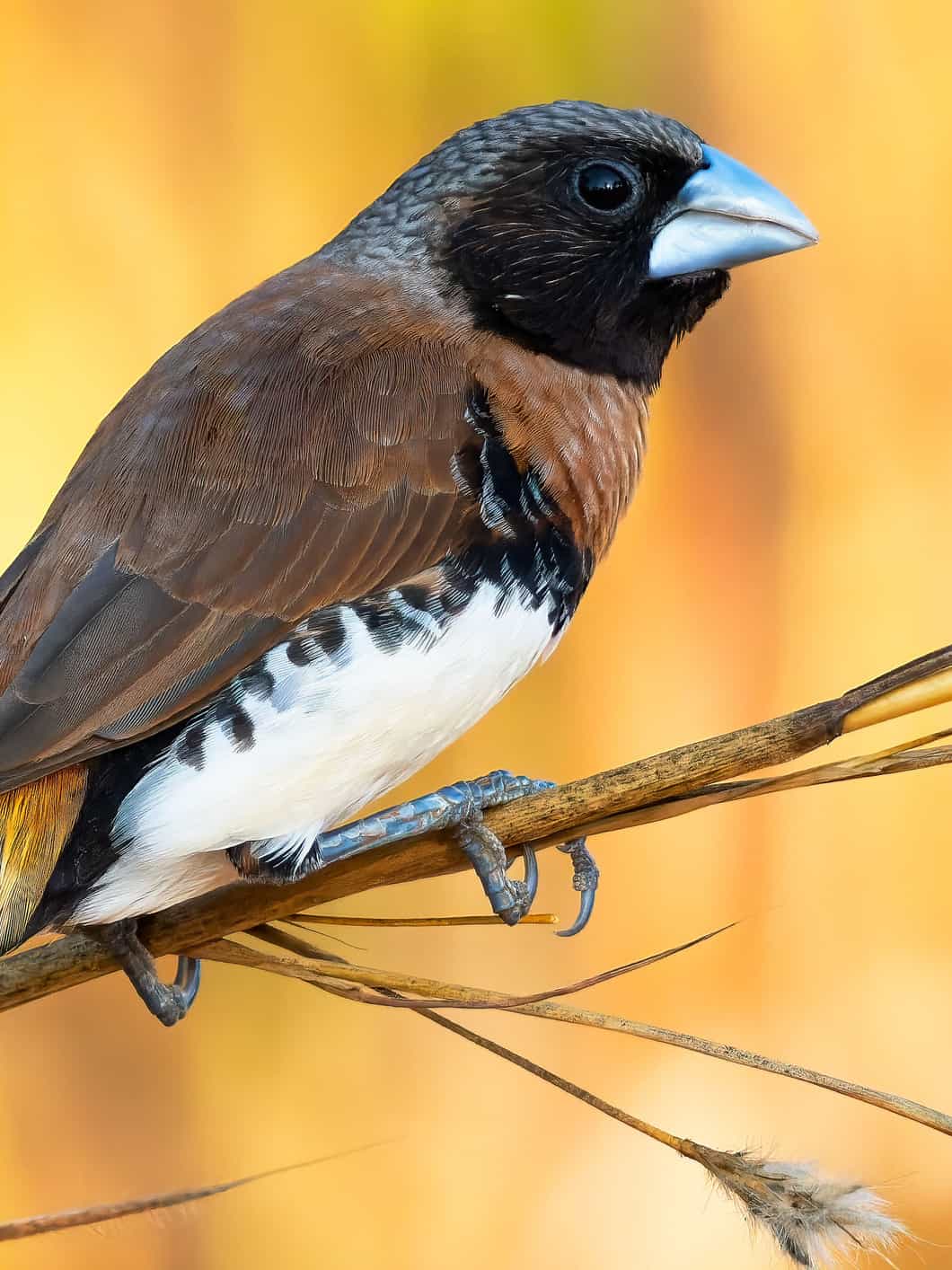
Scaly-Breasted Munia vs Chestnut-Breasted Munia
White-Rumped Munia vs [Select a bird]

[Select a bird]
Pick a bird to compare
Scaly-Breasted Munia vs [Select a bird]
[Select a bird]
Pick a bird to compare