
Berylline Hummingbird
Berylline Hummingbird
Saucerottia beryllina


Quick Identification guide
Quick Identification guide
Male
- •
brilliant emerald green upperparts with a rich rufous rump
- •
A straight, slender bill perfect for nectar feeding
- •
glittering green throat and chest, transitioning into a bronze belly
Female
- •
Similar to male but with a duller green on the upperparts
- •
pale grayish belly with a coppery wash
- •
Lacks the glittering throat, presenting a more muted overall appearance
What does a berryline hummingbird sound like?
The Berylline Hummingbird produces repeated buzzy twitters for its song, often denoted as 'dzzzir' or 'dzzzzrrt'. These vocalizations are characterized by a distinctive buzzing sound. Its call types can be classified into three categories: Buzz, Chirp/Chip and Trill. This range of sounds allows the bird to communicate in various situations, expressing different moods and intentions. The characteristic buzzy sequences and variation in call types enhance the beauty and uniqueness of its acoustic communication.


Description
These little hummers can sometimes be seen congregating with other hummingbirds at flowering trees, but make no mistake: they are dominant and will have quickly fought their way to the top of the pecking order. They are just as vocal as they are feisty, so very!
The berryline hummingbird can weigh between 4to4.4grams and be from8to10centimeters tall.
The Berylline Hummingbird typically lives up to 7 years. This lifespan aligns with many other hummingbird species such as the Ruby-Throated Hummingbird and Broad-Tailed Hummingbird. However, the longest-lived hummingbird species is the Black-chinned Hummingbird which has a lifespan of around 11 years.
Did you know?
Most popular questions about berryline hummingbird
How to recognise a berryline hummingbird?
General appearance
The berylline hummingbird displays a striking combination of vivid colors, primarily characterized by a shimmering green head and body, transitioning into a bronze to reddish-bronze tone on the back and tail. Their small size, typically 8-10 cm in length, and rapid, agile flight are hallmark features that aid in identification.
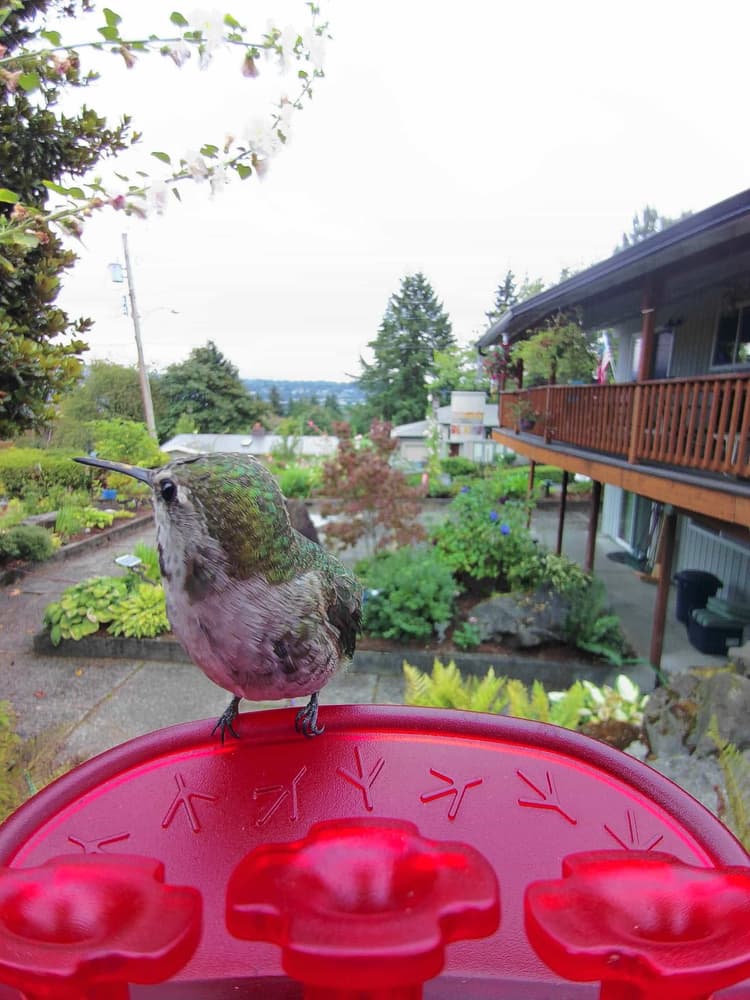
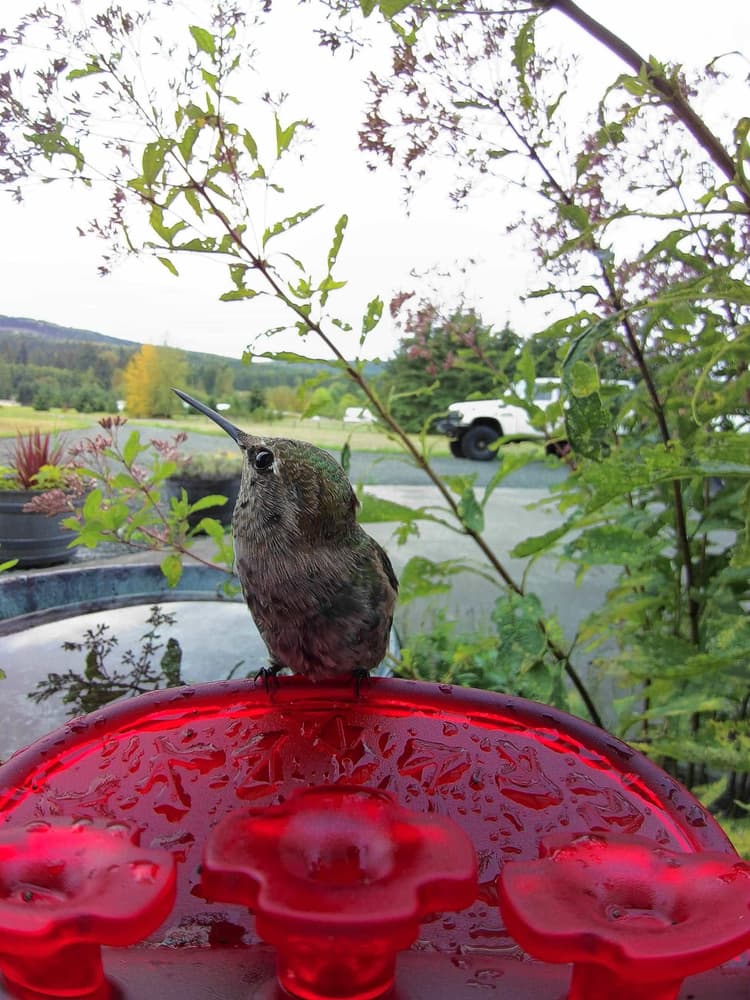
Male vs female
Males are noted for their bright emerald green plumage throughout, with a more extensive and vibrant reddish-brown coloration on the tail compared to females. Females exhibit more subdued coloration, with a paler underbelly and less intense iridescence. Both sexes possess a slightly decurved, slender black bill, but males have slightly brighter coloration overall.
Juvenile
Juvenile berylline hummingbirds resemble females more closely, with duller green plumage and less iridescent feathers. They typically lack the striking shine of adult plumage and gradually develop more vibrant colors as they mature. In the field, juveniles can be identified by their muted tones and less defined coloration of the tail and back.
Often mistaken for
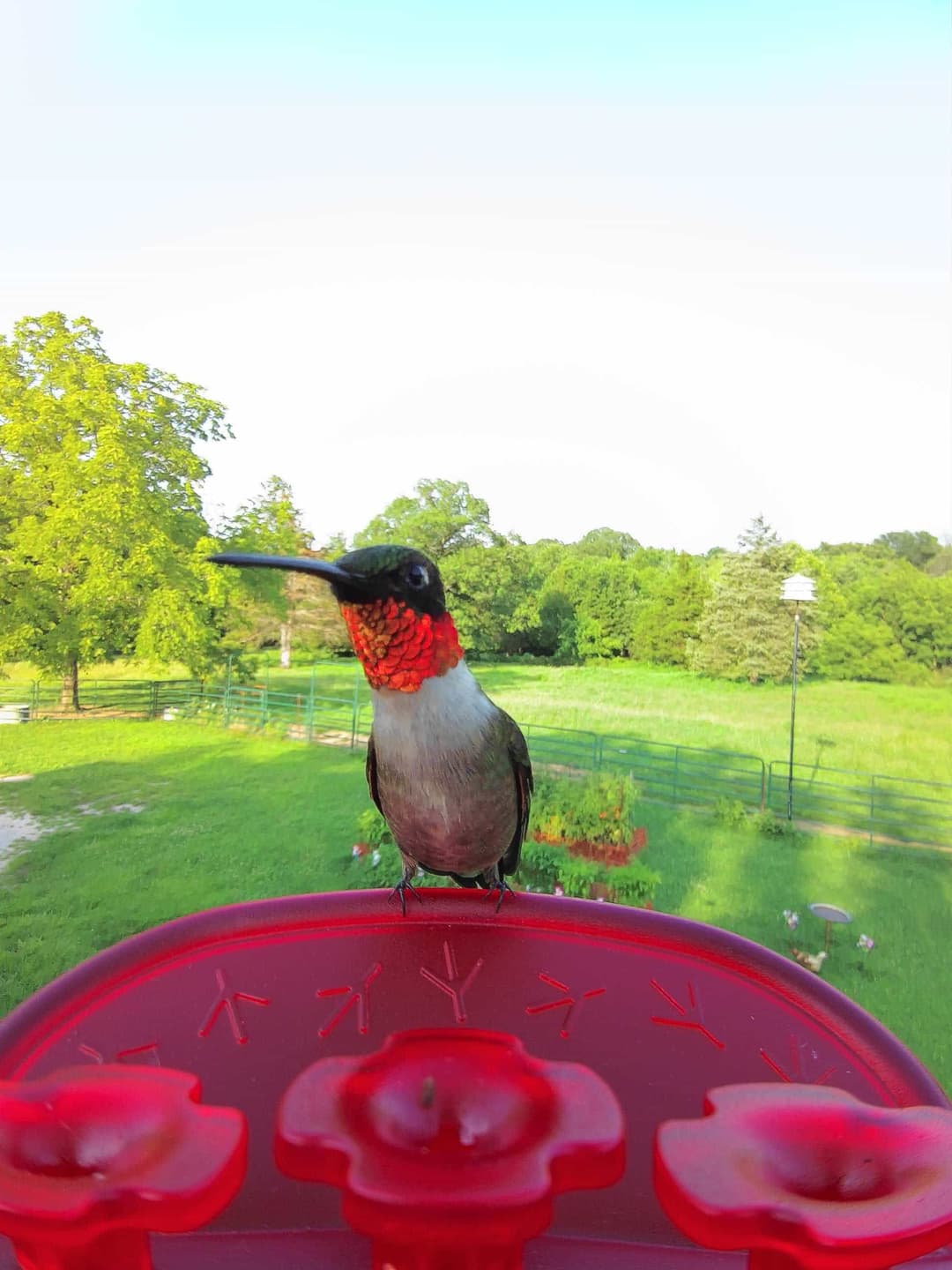
Ruby-Throated Hummingbird vs Berylline Hummingbird
The Ruby-Throated Hummingbird can resemble the Berylline Hummingbird due to its similar size and shape. However, it is distinguished by its bright red throat patch in males, which the Berylline lacks. Additionally, the Ruby-Throated Hummingbird has metallic green upperparts and a white belly, compared to the more uniform coloration of the Berylline.
Anna's Hummingbird vs Berylline Hummingbird
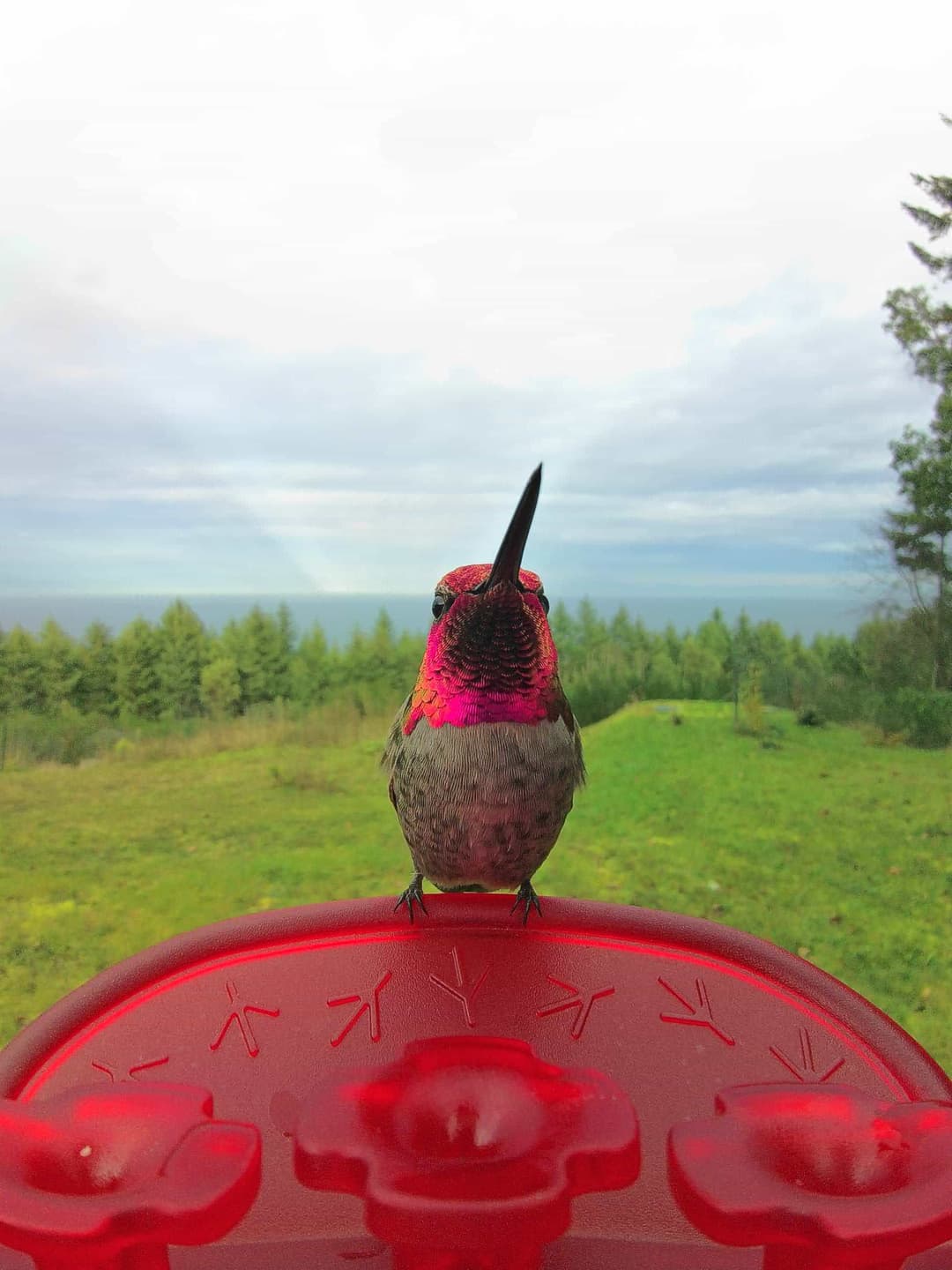
Anna's Hummingbird might be confused with the Berylline Hummingbird due to its similar overall size. However, the male Anna’s Hummingbird has an iridescent rose-pink crown and throat, which are not present in the Berylline. Females have a more muted coloration but still display a distinctive greenish back and grayish underparts.
Allen's Hummingbird vs Berylline Hummingbird
Allen's Hummingbird can be a lookalike due to small size and similar body shape. However, it can be distinguished by its orange-red coloring on the throat and rufous tail and flanks, which the Berylline Hummingbird lacks.
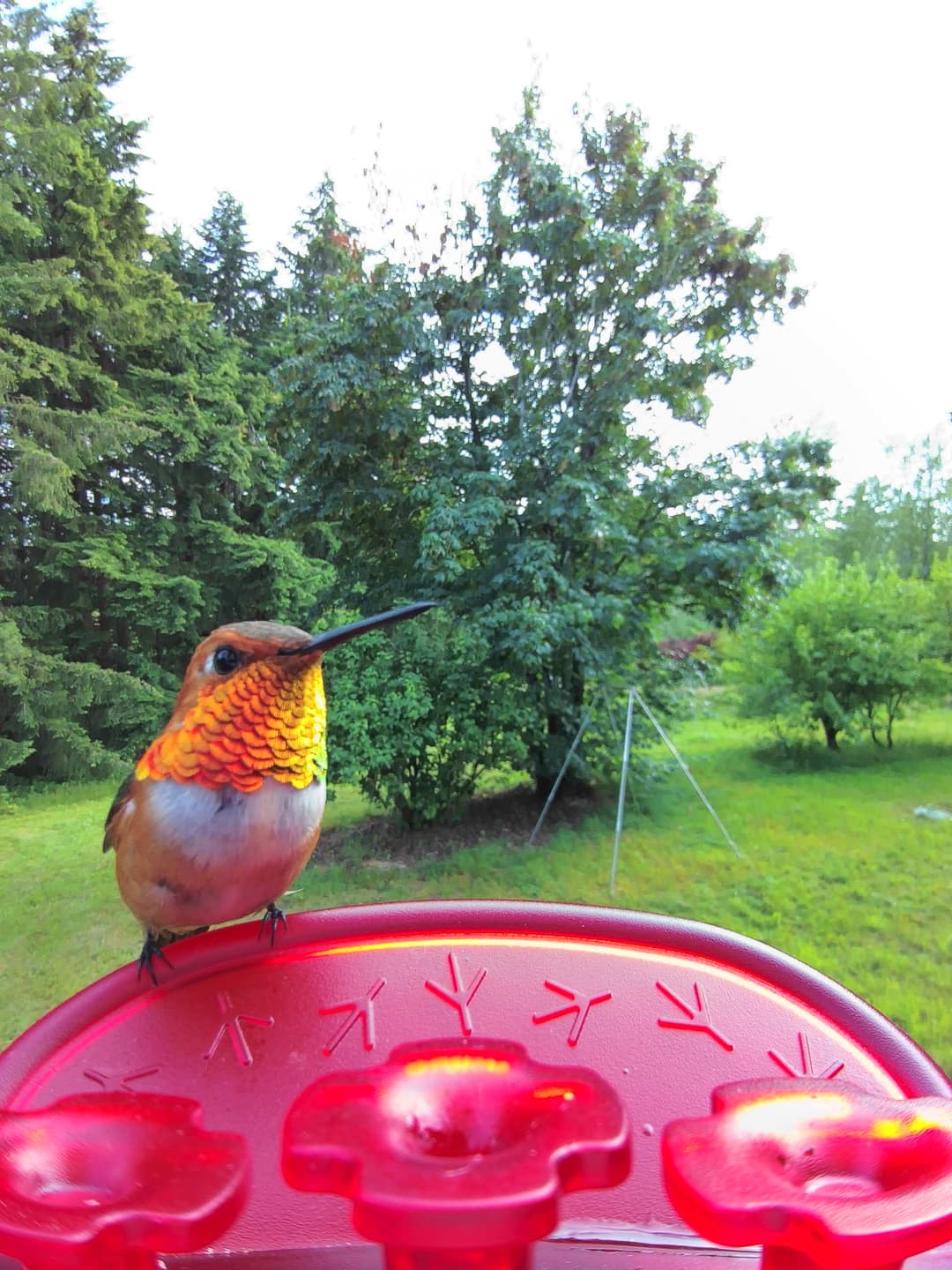
Rufous Hummingbird vs Berylline Hummingbird
The Rufous Hummingbird may be mistaken for the Berylline Hummingbird due its small, compact size and rapid flight. It is identified by its distinctive rufous coloring, particularly in males, with an iridescent orange-red throat. The Berylline Hummingbird, on the other hand, has more uniform green plumage.
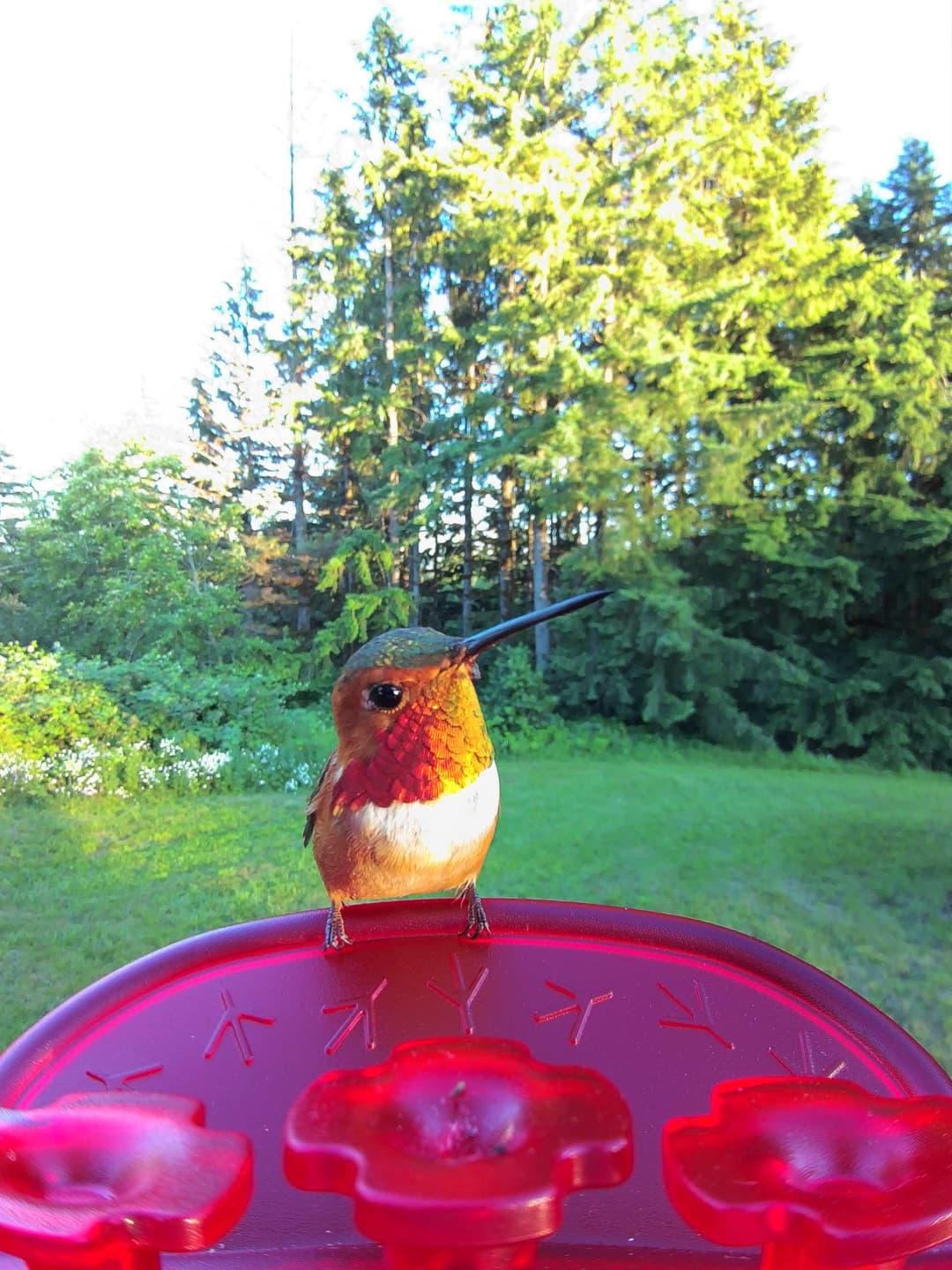
Black-Chinned Hummingbird vs Berylline Hummingbird
The Black-Chinned Hummingbird may appear similar in size and shape to the Berylline Hummingbird. However, it is distinguishable by its unique black chin and purple throat band in males, and less extensive green on its upper parts.
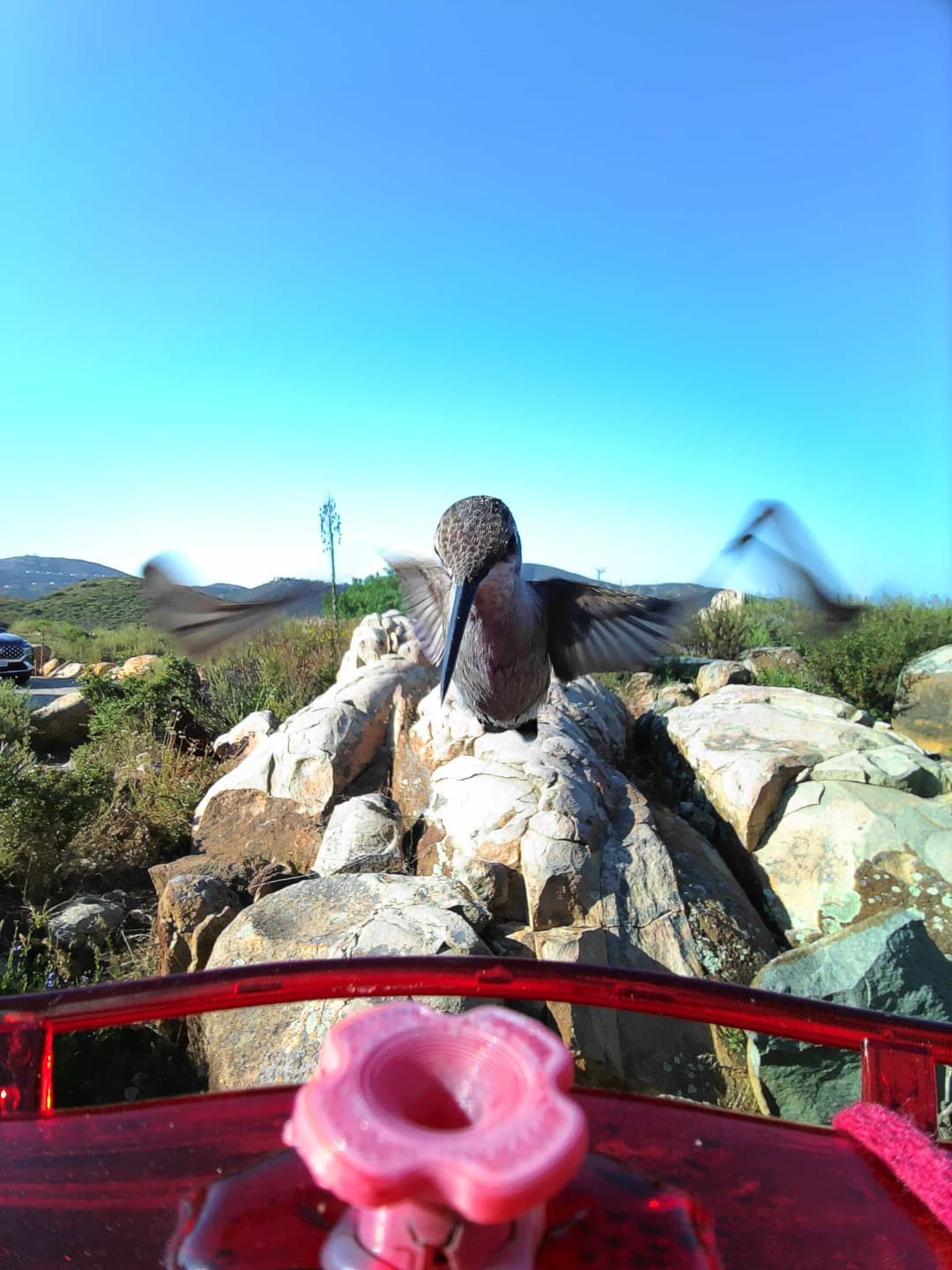
Broad-Billed Hummingbird vs Berylline Hummingbird
The Broad-Billed Hummingbird might be confused with the Berylline because of its size and shape. Key distinguishing features include its blue throat and green body, as well as its broad, bright red bill, unlike the more uniformly green Berylline.
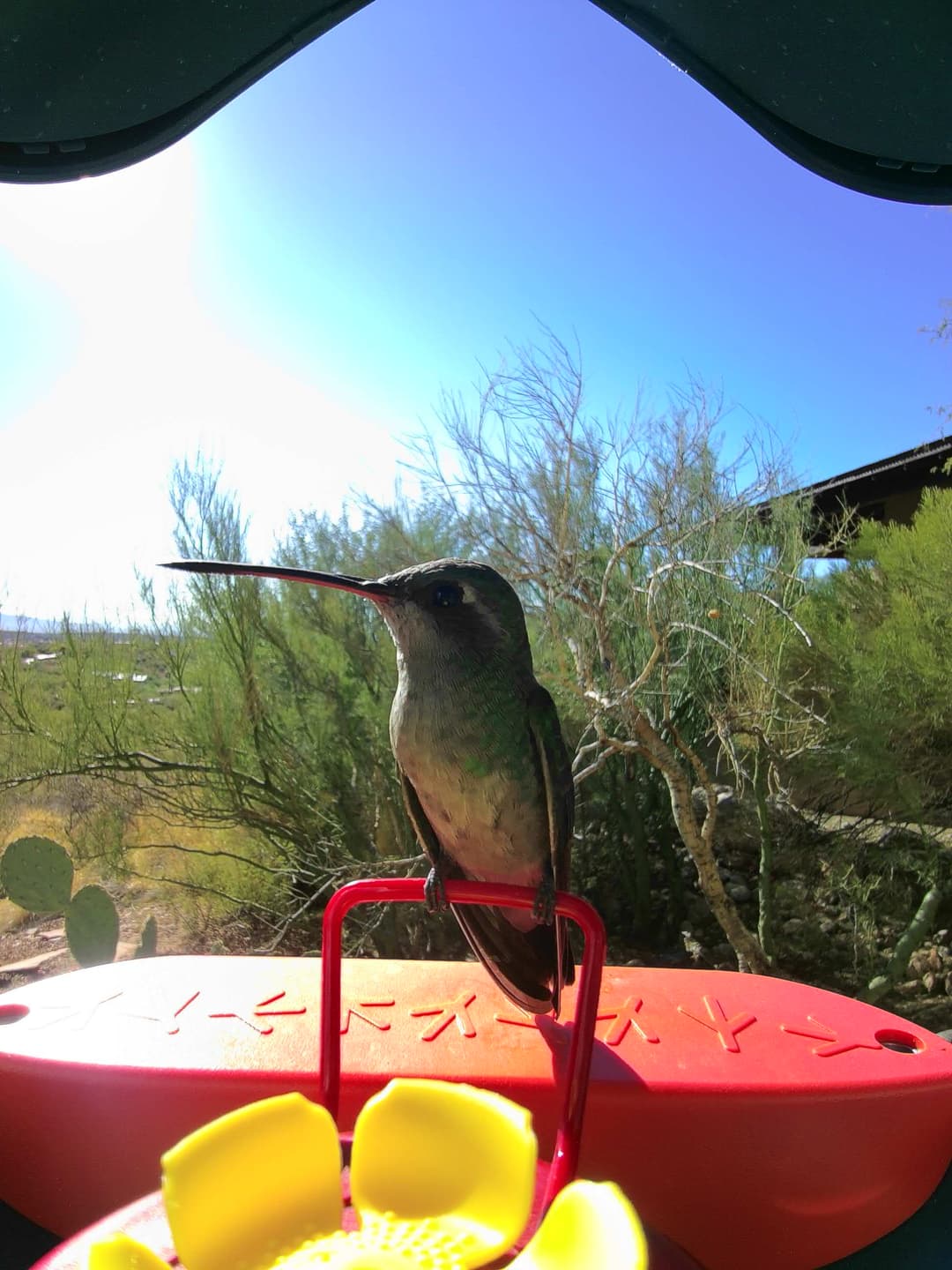
Buff-Bellied Hummingbird vs Berylline Hummingbird
The Buff-Bellied Hummingbird could be mistaken for a Berylline due to the similar size and green coloration. However, it is identified by its buff-colored belly, as opposed to the more uniformly colored Berylline Hummingbird.
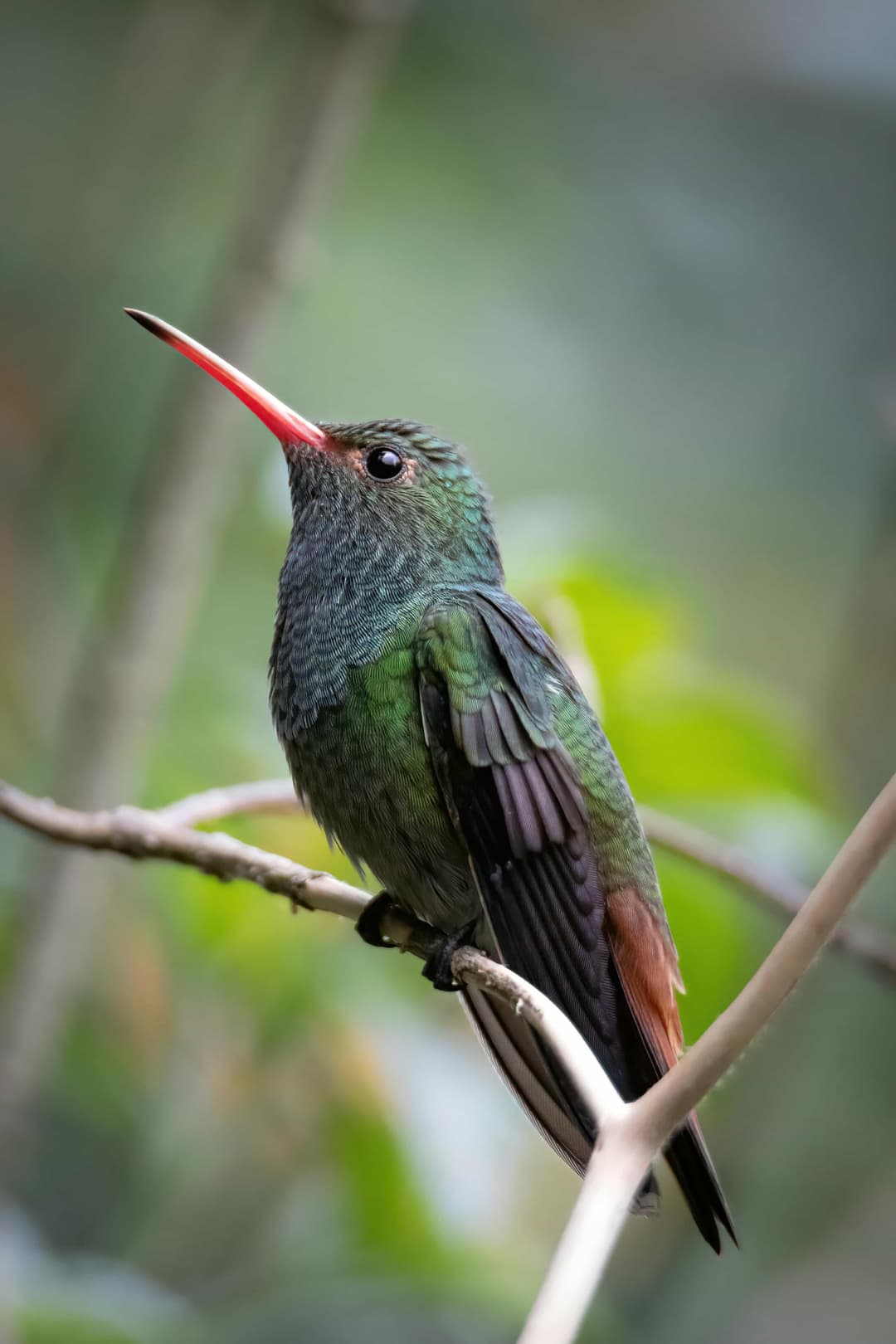
Lucifer Hummingbird vs Berylline Hummingbird
The Lucifer Hummingbird might appear similar due to the shared body size and shape, but is distinguishable by its purple throat in males and longer, slightly decurved bill that the Berylline lacks.
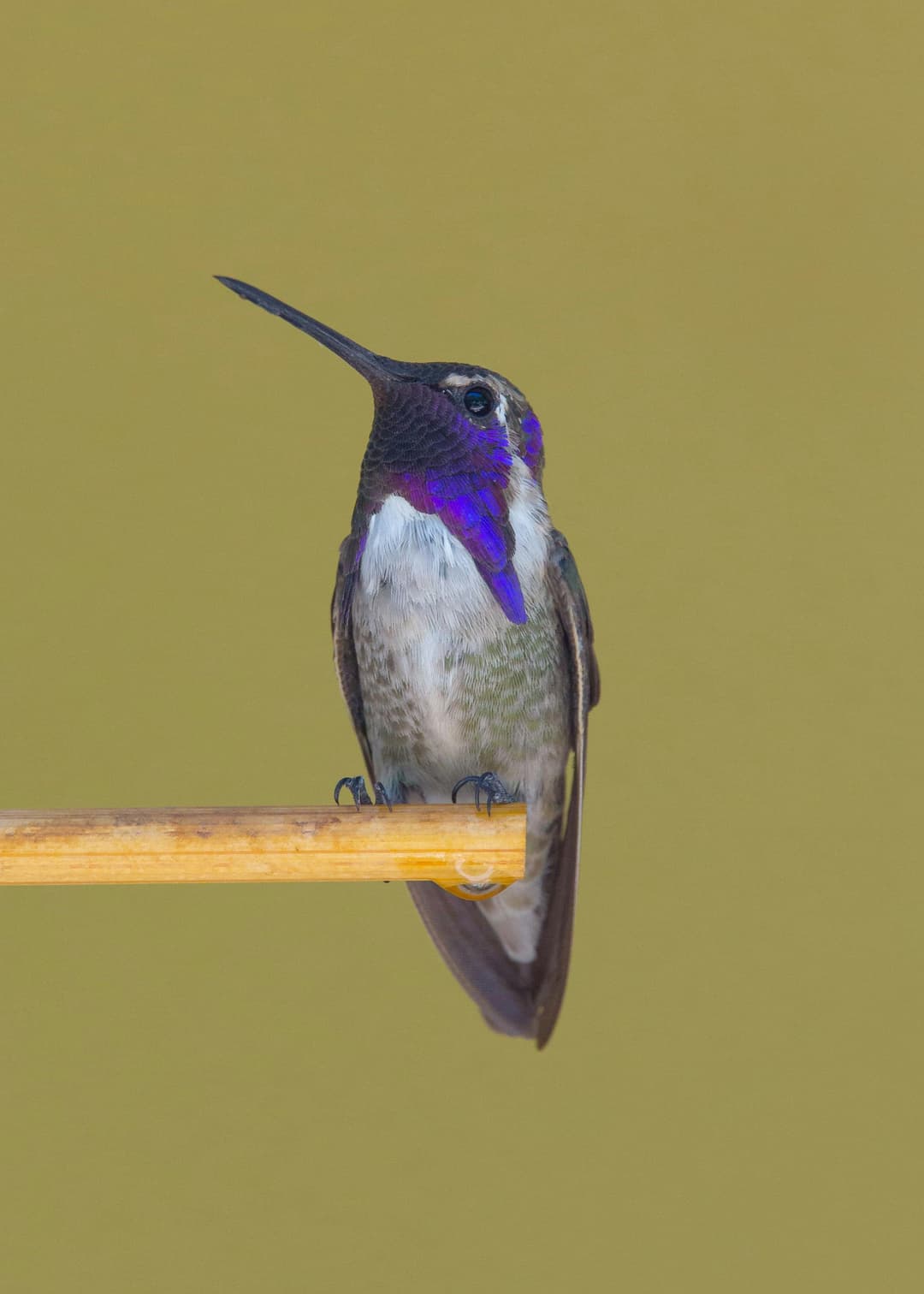
Rivoli's Hummingbird vs Berylline Hummingbird
Rivoli's Hummingbird, sometimes confused with the Berylline due to its size, features a distinctive metallic violet crown and emerald green plumage in males, with a white spot behind the eye, which can help distinguish it from the Berylline Hummingbird.
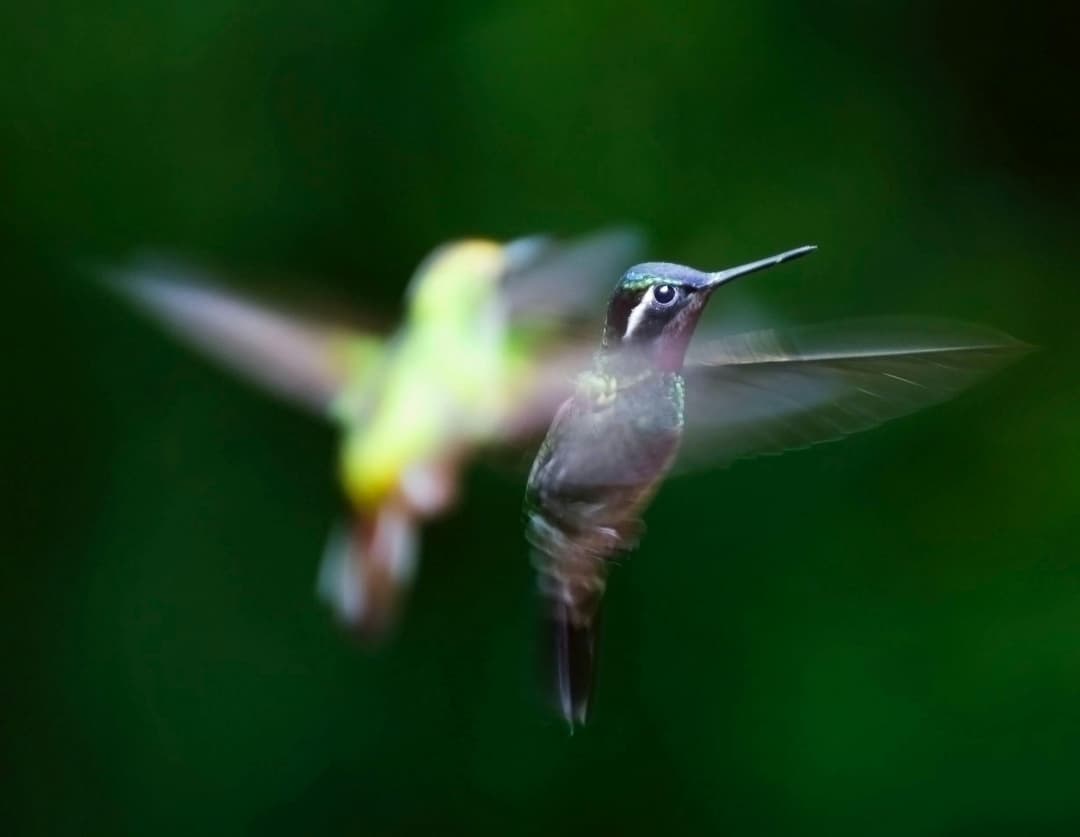
Violet-Crowned Hummingbird vs Berylline Hummingbird
The Violet-Crowned Hummingbird could be mistaken for the Berylline due to similar overall size and shape; however, it stands out due to its violet crown, white underparts, and lack of extensive green plumage
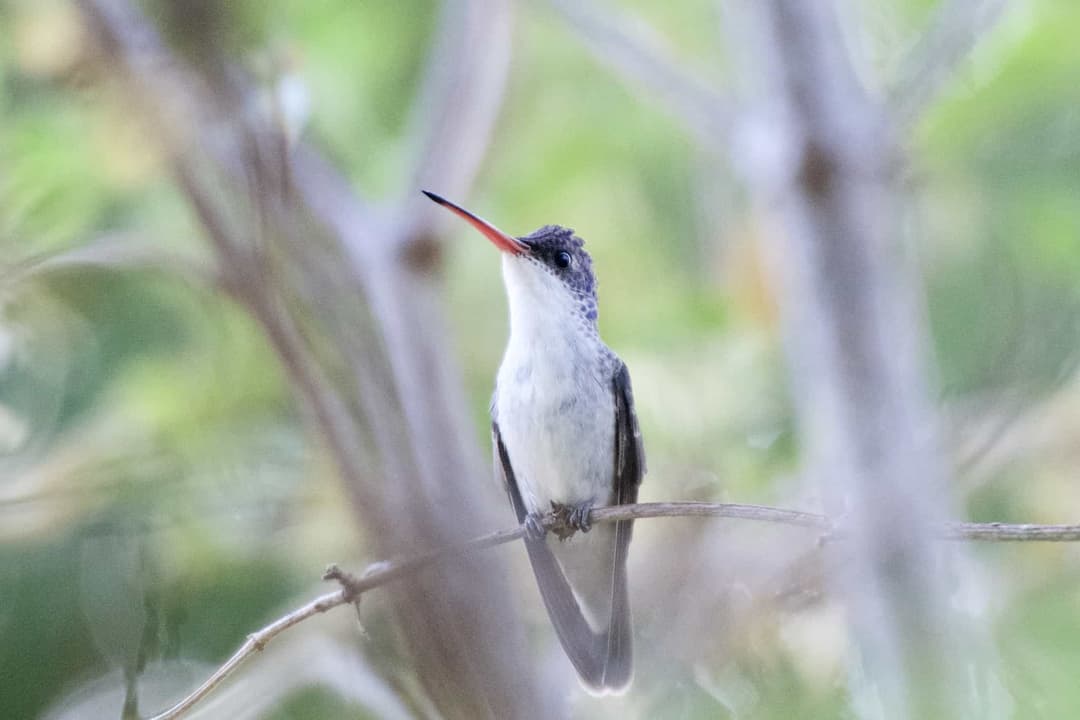
Breeding and nesting habits of the berryline hummingbird
Mating behaviors
The mating behaviors of the berylline hummingbird are not well documented. However, like other hummingbirds, they are likely to perform courtship displays that may involve aerial acrobatics and vocalizations to attract a mate.
Nesting details
In Arizona, berylline hummingbirds nest during the summer rainy season. Nests are typically found in deciduous trees or shrubs, and occasionally in coniferous trees. The female builds a compact cup-shaped nest using materials such as grasses, moss, plant fibers, and spider webs, and lines it with plant down. The outside is camouflaged with flakes of green lichen.
Eggs and chick-rearing
The female is responsible for incubating the eggs and rearing the chicks. After hatching, the chicks are fed a diet primarily composed of small insects and nectar, which the female gathers, ensuring they receive the necessary nutrients for growth and development.
What does a berryline hummingbird like to eat?
Insects
Nectar
Natural diet
The berylline hummingbird primarily feeds on nectar, which it collects from a variety of flowers. This nectar provides them with essential carbohydrates for energy. In addition to nectar, the berylline hummingbird also consumes tiny insects. These insects are a vital source of protein, which is important for supporting muscle maintenance and growth, as well as breeding activities.
Bird feeders
In addition to its natural diet, the berylline hummingbird is known to visit bird feeders, particularly those that offer sugar-water mixtures. These feeders mimic the nectar found in flowers and provide an additional source of energy for these birds. While not a natural component of their diet, many berylline hummingbirds frequently enjoy the accessible and abundant food source provided by hummingbird feeders.
Setting up the right environment
To make your yard more inviting for the berylline hummingbird, create a habitat that's rich in nectar sources. Choose a variety of flowering plants with different blooming times so there's always a fresh supply. Hummingbirds are especially attracted to brightly colored flowers like petunias, bee balm and fuschia. Make sure the area is safe, quiet and away from heavy human traffic. Avoid using pesticides, as these can harm hummingbirds and limit their food supply.
Choosing the right feeder
Consider investing in a hummingbird-specific feeder, one with bright red accents since these birds are drawn to the color red. Feeders should be easy to clean, with no small crevices where mold can grow, as this can be harmful to hummingbirds. When installing the feeder, place it near a window, so you can enjoy watching these little beauties hover and dart around.
Providing the best food
Feeding the berylline hummingbird its favorite snack of a sugar-water mixture can keep them returning to your yard. We recommend a mixture of 1 part regular white sugar to 4 parts water. Boil the mixture until the sugar is completely dissolved and allow it cool completely before filling the feeder. Store any excess in the refrigerator for up to a week. If you prefer seeds, try Bird Buddy seeds. Based on seasonal expert choice, they have proven to deliver the best results.
Fun tricks to encourage visits
In addition to offering food, you can encourage the berylline hummingbird by installing a birdbath, fountain, or mister in your yard. Hummingbirds love to bathe and a clean bird is a healthy bird! If you're musically inclined, consider humming or singing in your garden. Hummingbirds are known to respond to high-pitched sounds and might just join you for a sing-along!
Where can you find berylline hummingbirds?
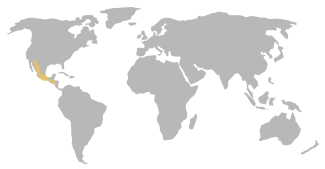
Primary habitat
The primary habitat of the berylline hummingbird is mountain forests and canyons at altitudes of 5,000-7,000 feet, notably within open pine-oak woods or shady canyons with sycamores in Arizona.
Additional range
In Mexico, these hummingbirds are found in the foothills and lower slopes of mountains, especially in oak woodlands.
Do they migrate?
The berylline hummingbird primarily stays within its range year-round, indicating limited migratory behavior. Generally, it is not migratory across most of its habitat. However, some individuals do stray northward into the United States during the summer months. This northern movement is atypical and not considered a structured migration pattern, but rather an expansion of range that can include areas such as the southern parts of Arizona and New Mexico. In Mexico, where most of the berylline hummingbird population resides, there is some movement among populations based on altitude. These hummingbirds may relocate to lower elevations during the winter months. This altitudinal migration helps them avoid colder temperatures at higher elevations. Overall, the berylline hummingbird's movements do not follow a typical long-distance migratory route as seen in some other hummingbird species. Instead, their movements are more opportunistic and closely tied to local environmental conditions rather than a predictable migratory path.
What is the role of berylline hummingbirds in nature and how to protect them?
Conservation status
The berylline hummingbird is currently common and widespread in Mexico. However, it faces potential vulnerability due to habitat loss, posing a significant threat to its population stability. While it's not classified as endangered, the loss of natural habitats could affect its numbers in the future. Key conservation efforts should focus on preserving and restoring its natural habitats to prevent its status from declining further. Active monitoring and habitat protection are crucial to ensuring the continued survival and health of the berylline hummingbird population.
Ecological role of berylline hummingbirds
Its role in the ecosystem
The Berylline Hummingbird plays crucial ecological roles, notably in pollination and pest control. Its diet consists predominately of tiny insects and nectar, caught mid-flight or plucked from foliage. In its hunt for nectar, the bird unwittingly collects pollen on its beak and feathers, and transfers this pollen to other flowers, facilitating cross-pollination. This activity promotes plant diversity and growth, contributing to the overall health and variety of the habitat. Moreover, by feeding on small insects, the Berylline Hummingbird serves a vital pest control function, helping to maintain a balance in local insect populations. Thus, this bird indirectly benefits human health and agricultural productivity. Despite its size, the Berylline Hummingbird has a substantial impact on its ecosystem, contributing to both biodiversity and the suppression of potential pest species.
How to help protect berylline hummingbirds
Preservation tips
Habitat preservation strategies
Protect the natural habitats of the berylline hummingbird through deforestation prevention and reforestation initiatives. Encourage protected areas classification for nesting and feeding environments. Explore land use policies focusing on protecting bird habitats and incentivize sustainable agriculture that preserves ecosystem health.
Community science initiatives
Promote public involvement via citizen science projects to observe and track hummingbird population trends. Support educational campaigns about the importance of hummingbird conservation. Organize birdwatching outings and community cleanups to foster local engagement and encourage responsible stewardship of the environment.