Berylline Hummingbird or Black-Chinned Hummingbird?
Here's how to tell the difference
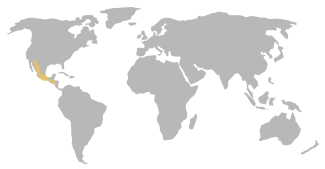


Berylline Hummingbird


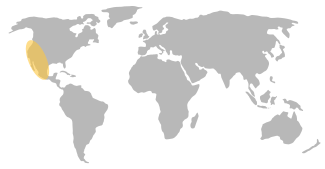
Black-Chinned Hummingbird
Berylline Hummingbird
Saucerottia beryllina
General appearance
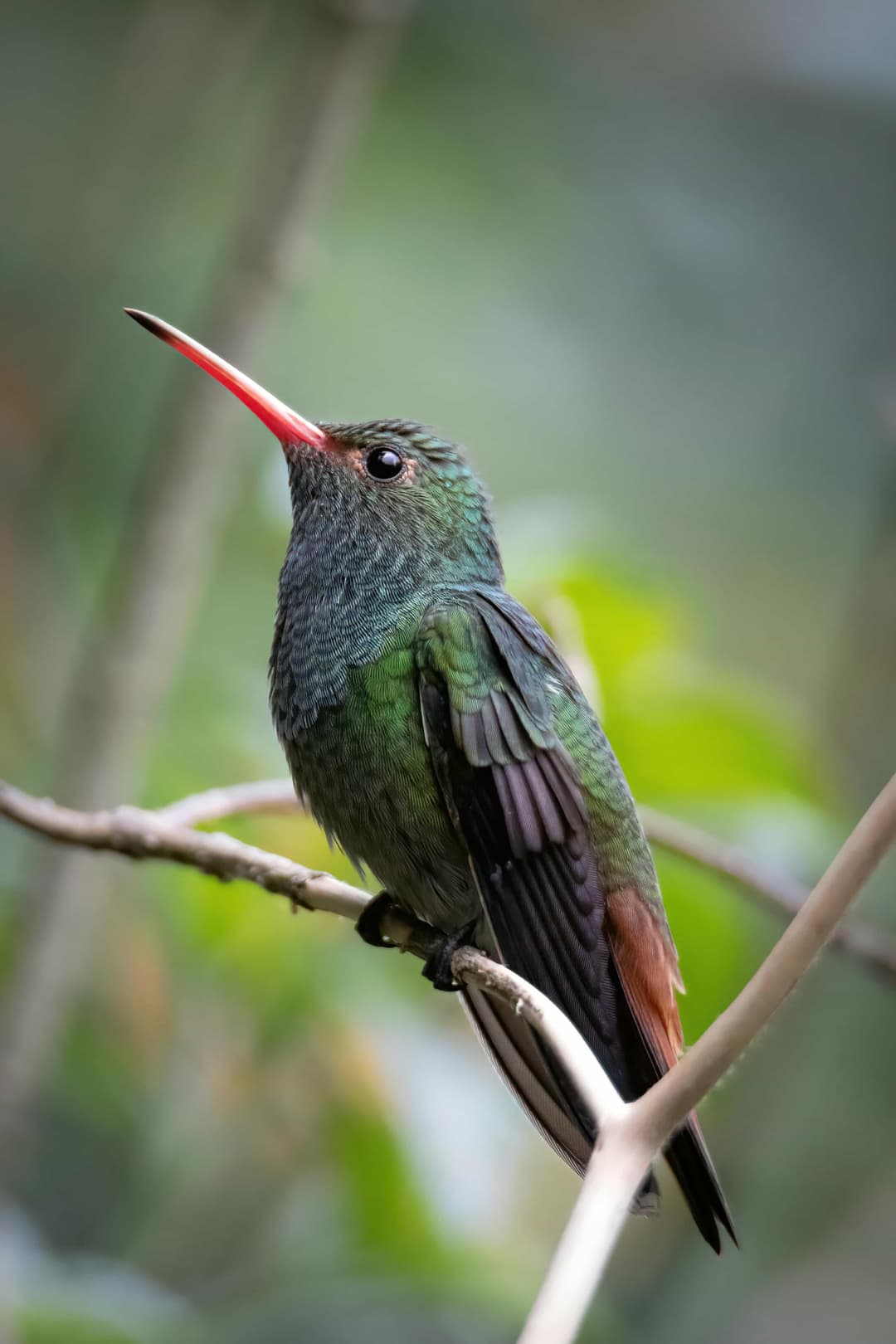
The berylline hummingbird displays a striking combination of vivid colors, primarily characterized by a shimmering green head and body, transitioning into a bronze to reddish-bronze tone on the back and tail. Their small size, typically 8-10 cm in length, and rapid, agile flight are hallmark features that aid in identification.
Male vs female
Males are noted for their bright emerald green plumage throughout, with a more extensive and vibrant reddish-brown coloration on the tail compared to females. Females exhibit more subdued coloration, with a paler underbelly and less intense iridescence. Both sexes possess a slightly decurved, slender black bill, but males have slightly brighter coloration overall.
Juvenile
Juvenile berylline hummingbirds resemble females more closely, with duller green plumage and less iridescent feathers. They typically lack the striking shine of adult plumage and gradually develop more vibrant colors as they mature. In the field, juveniles can be identified by their muted tones and less defined coloration of the tail and back.
Size
3.1 - 3.9 in/0.1 - 0.2 oz
There's more to learn about Berylline Hummingbird
View full detailsBlack-Chinned Hummingbird
Archilochus alexandri
General appearance
The Black-chinned Hummingbird is about the size of a Sparrow, measuring approximately 3 3/4 inches (10 cm). Its most distinguishing colors are black, green, purple, and white. The bird's wings are narrow, rounded, and short, and its tail is multi-pointed, notched, rounded, and square-tipped.
Male vs female
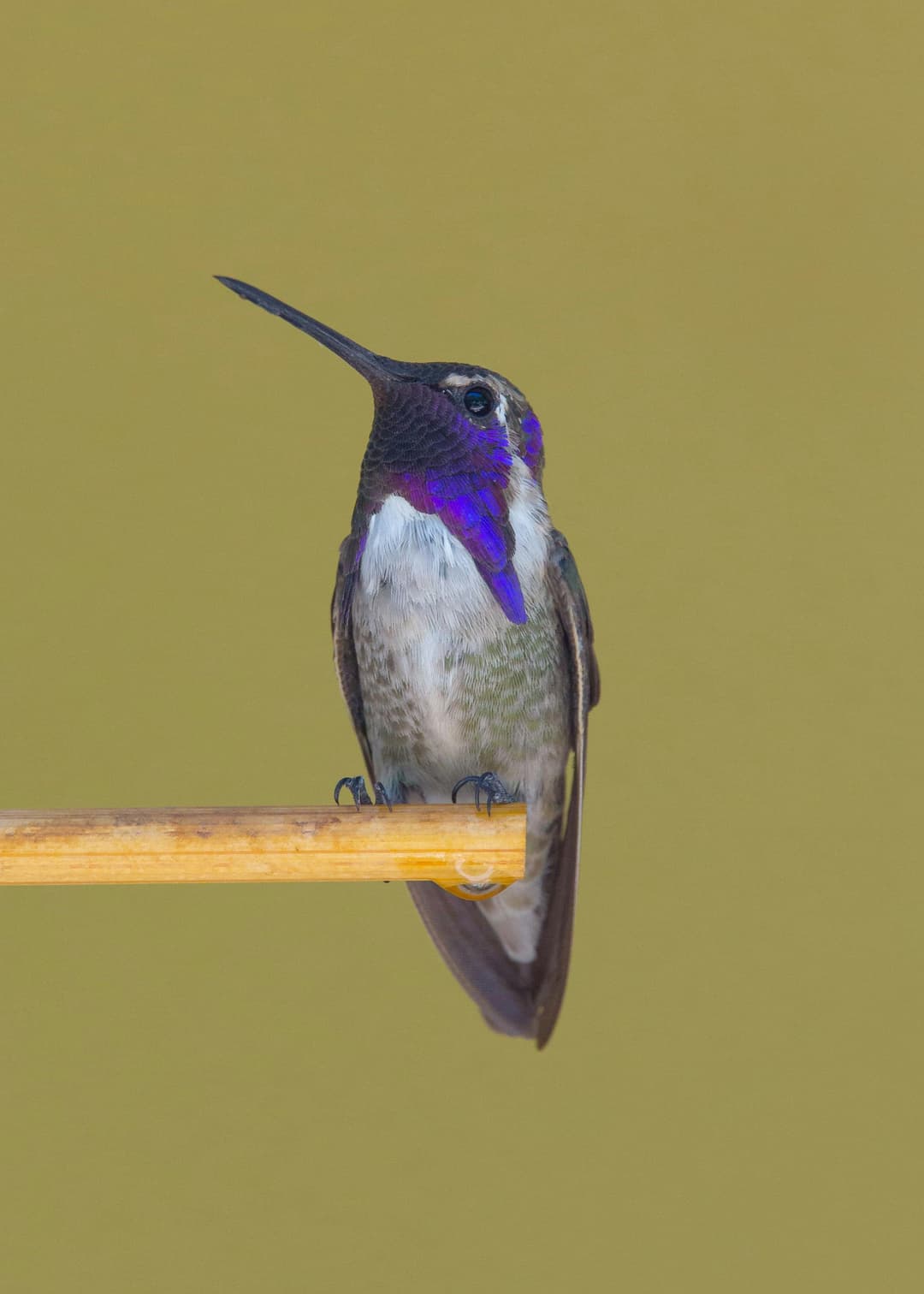
The male's distinguishing feature is a black chin which is difficult to see. Below the black chin, there is a more discernible white collar and a purple band. The female Black-chinned Hummingbird, on the other hand, is nearly identical to the female Ruby-throated Hummingbird. Distinguishing features include a long bill, pale underparts, and specific callnotes.
Juvenile
No specific information is available for the appearance of juvenile Black-chinned Hummingbirds. Considering hummingbirds as a species, juveniles often resemble the adult female until they achieve full adult plumage. Keep an eye out for the specific characteristics of the species, such as coloration and callnotes, when trying to identify juveniles.
Size
3.7 - 4.1 in/0.1 - 0.2 oz
There's more to learn about Black-Chinned Hummingbird
View full detailsHow to tell the Berylline Hummingbird from the Black-Chinned Hummingbird
Visual differences
The Berylline Hummingbird is slightly smaller, 3.1-3.9 inches long, with vivid emerald green plumage and a bronze-reddish tail, and a slender, slightly decurved black bill. The Black-Chinned Hummingbird measures around 3.7 inches and is characterized by a black chin with an iridescent purple band, a white collar, and pale underparts. It has a long bill and multi-pointed tail. Both species share some green plumage but differ notably in chin color and tail structure, with the Berylline showing more extensive bronze coloring.
Key differences and behavior
The Berylline and Black-Chinned Hummingbirds both exhibit competitive behaviors, though the Berylline is notably dominant and vocal, asserting itself at feeding sites. They inhabit different regions; the Berylline prefers high-altitude forests in Arizona and Mexico, while the Black-Chinned favors semi-arid areas and stream sides, showing adaptive altitudinal migration post-breeding. Both species rely on nectar and insects, visiting feeders, but the Berylline is particularly assertive at these communal sources. In terms of breeding, the Black-Chinned male is known for its pendulum courtship display, whereas Berylline courtship is less documented but likely includes aerial acrobatics. Female nesting roles align, however, with distinctive elevation choices: Berylline nests primarily during summer rains, while Black-Chinned nests vary from low shrubs to higher branches.
Still not sure? Here are more lookalikes!
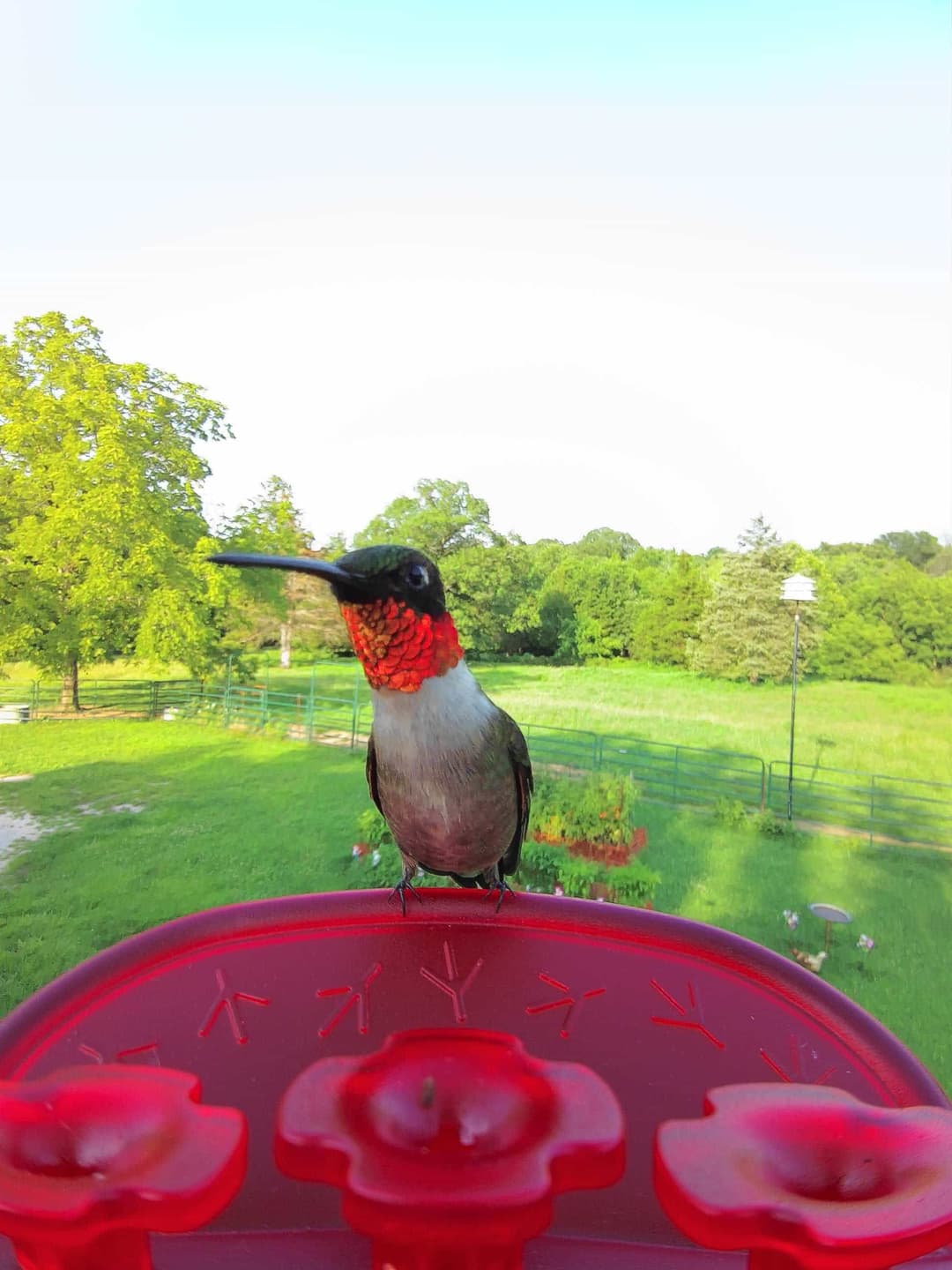
Berylline Hummingbird vs Ruby-Throated Hummingbird
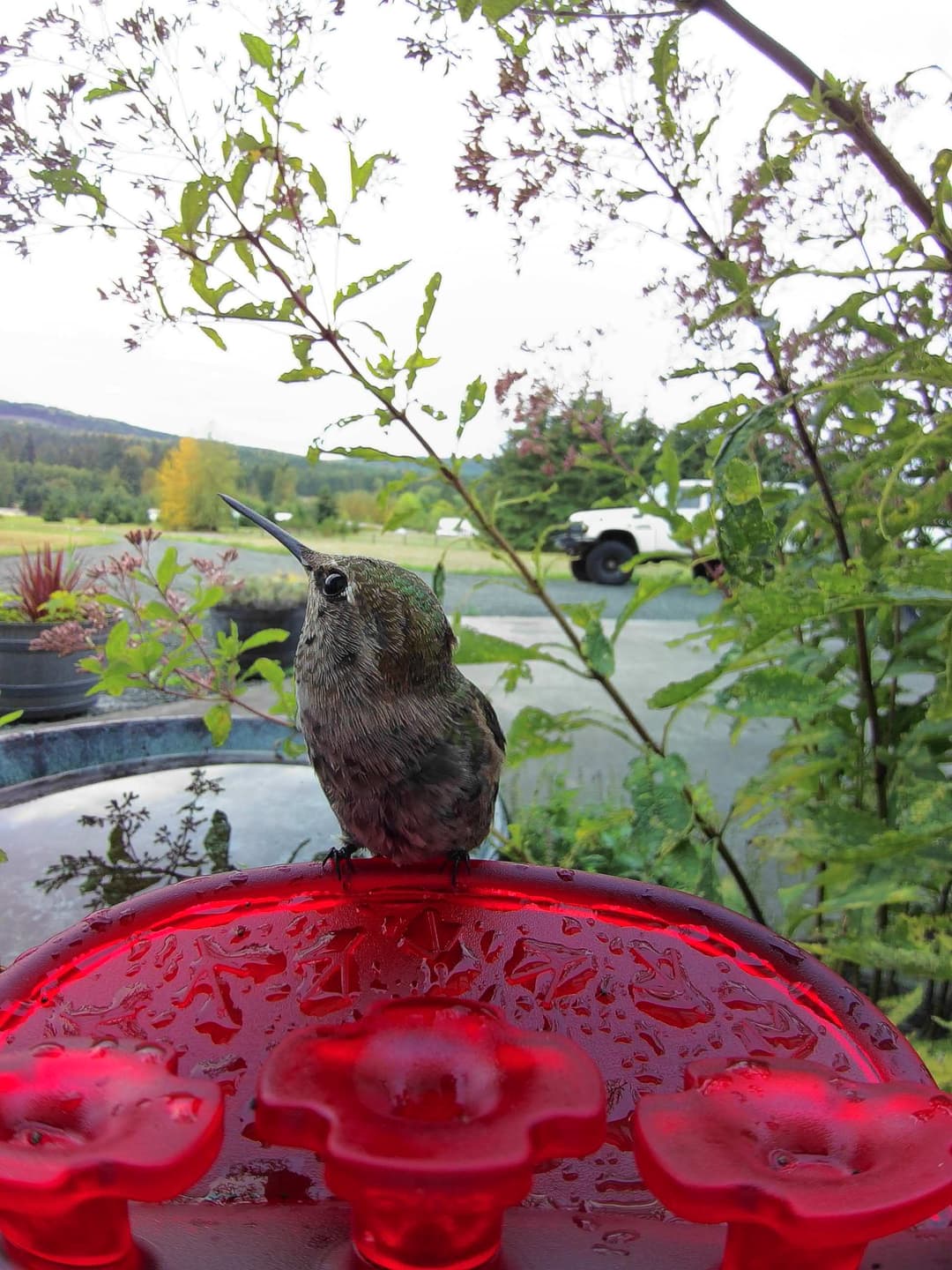
Berylline Hummingbird vs Anna's Hummingbird
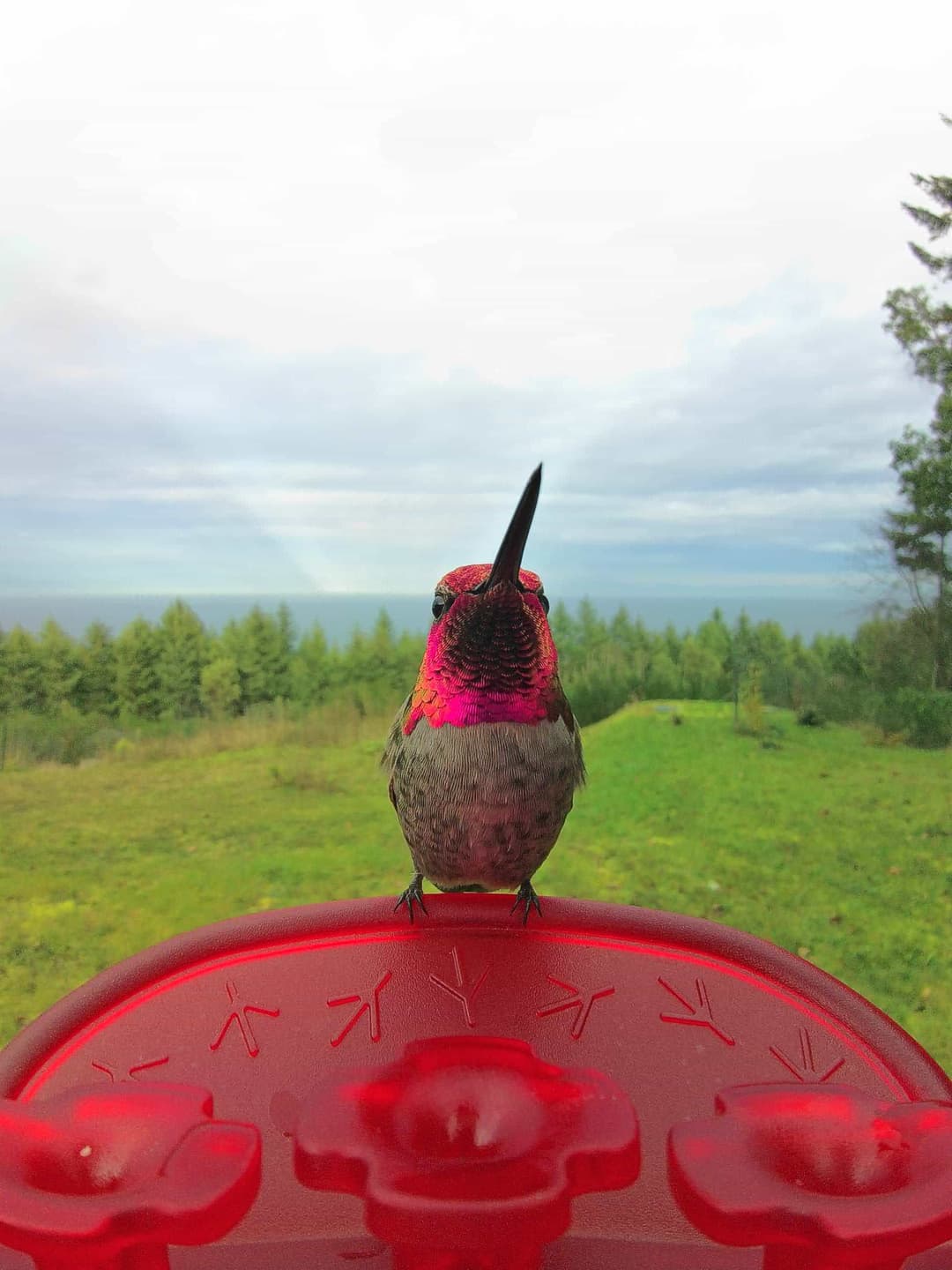
Berylline Hummingbird vs Allen's Hummingbird
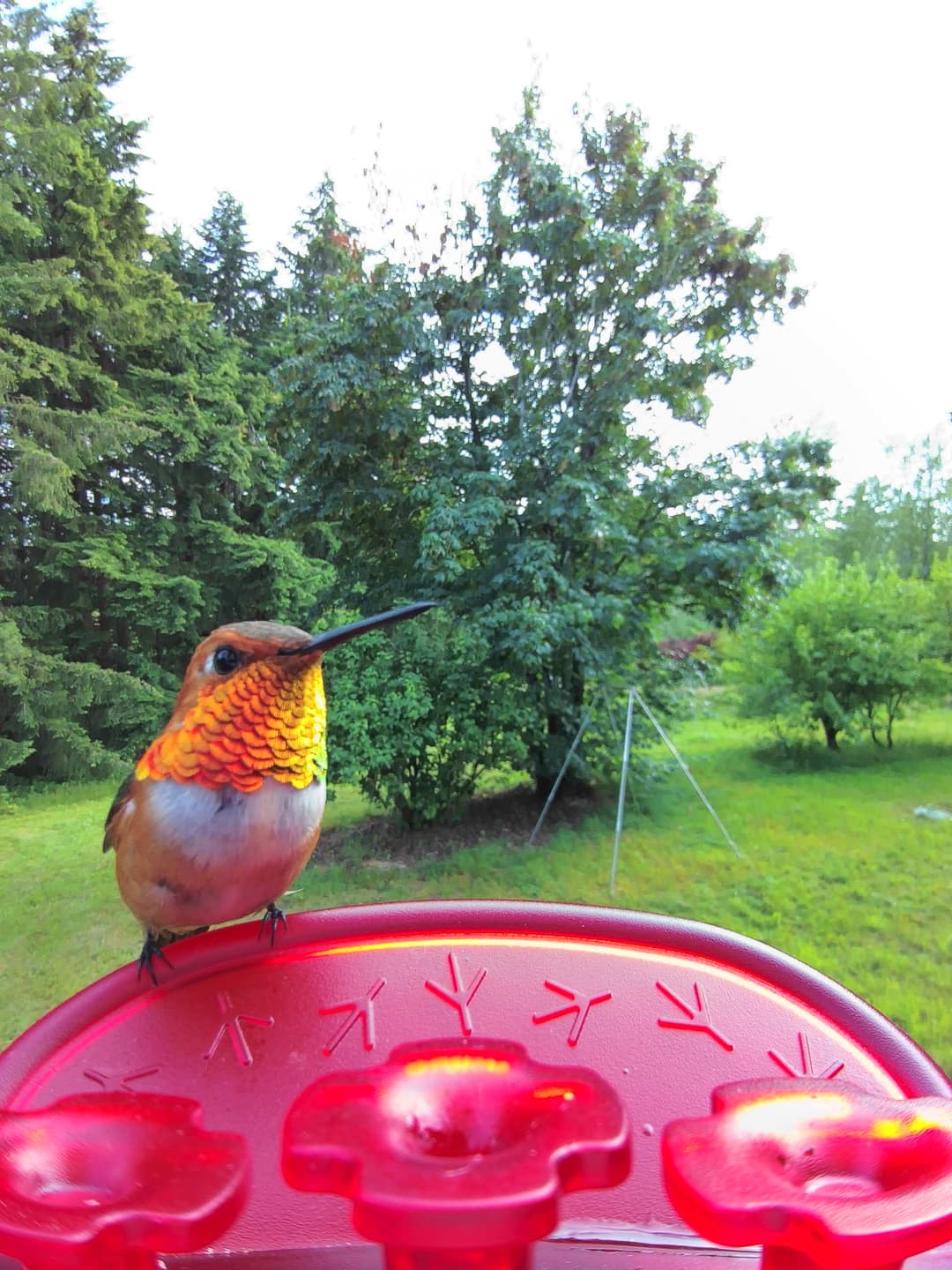
Berylline Hummingbird vs Rufous Hummingbird
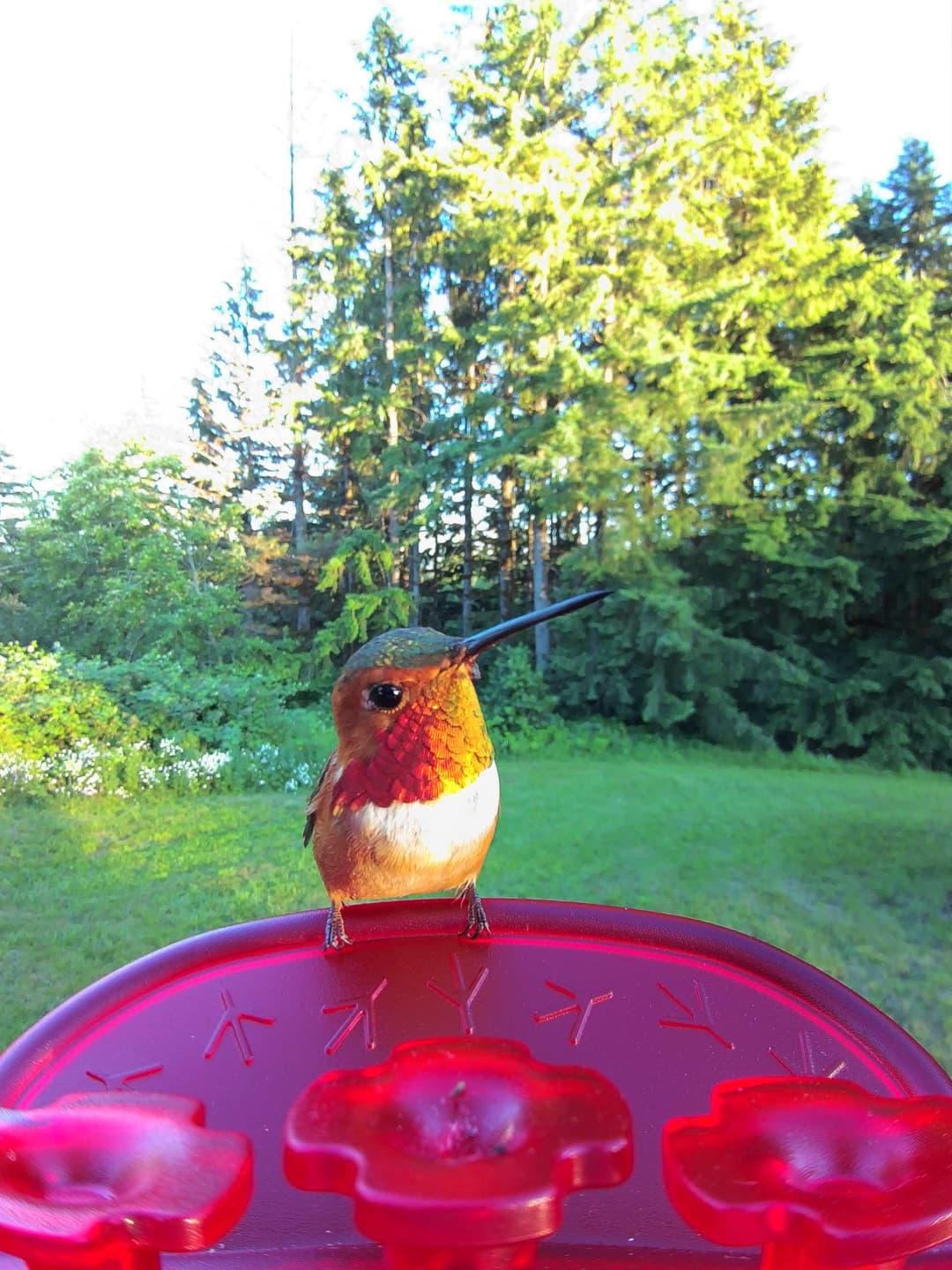
Berylline Hummingbird vs Broad-Billed Hummingbird
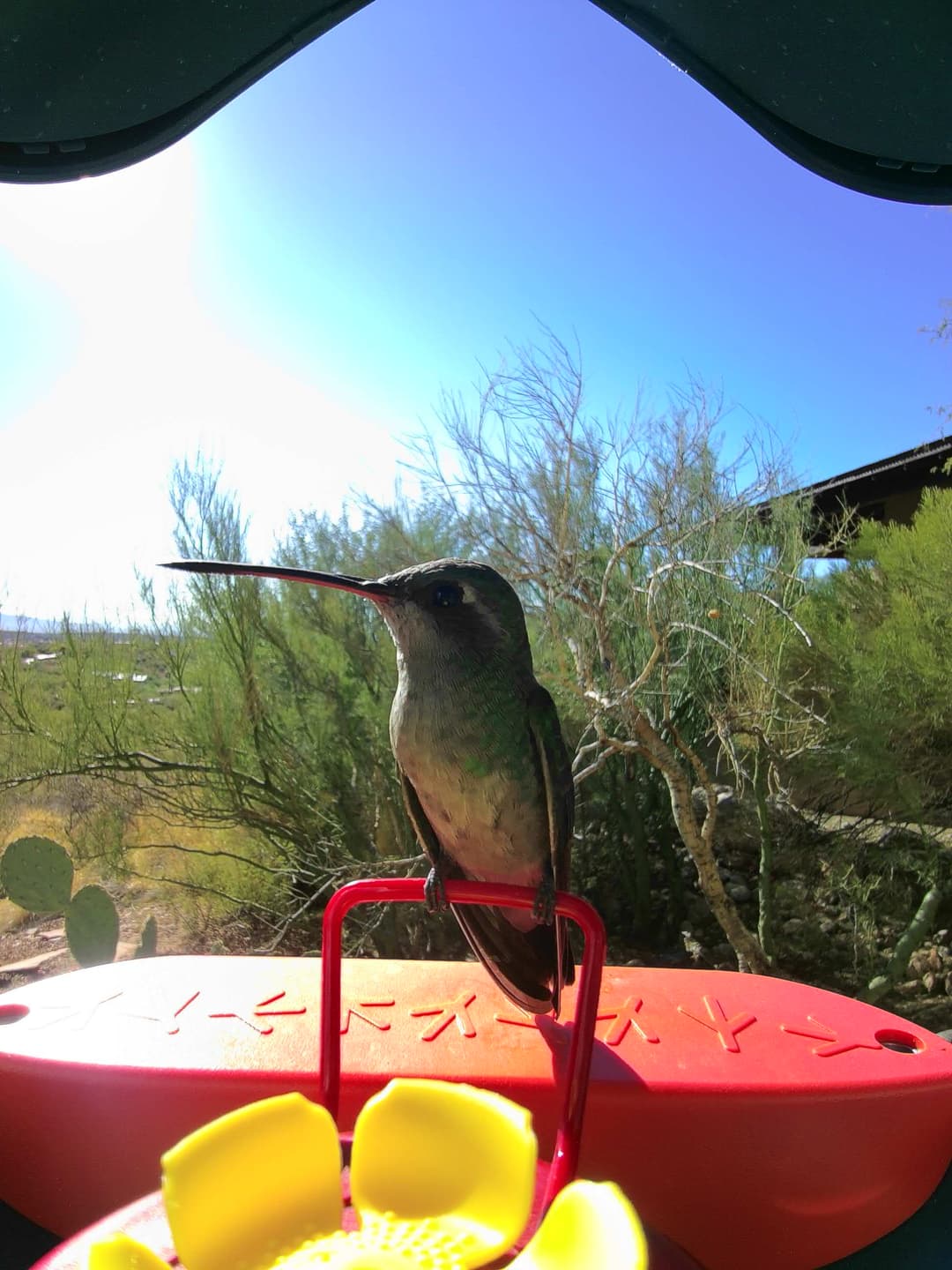
Berylline Hummingbird vs Buff-Bellied Hummingbird
Berylline Hummingbird vs Lucifer Hummingbird
Berylline Hummingbird vs Rivoli's Hummingbird
Berylline Hummingbird vs Violet-Crowned Hummingbird
Black-Chinned Hummingbird vs Anna's Hummingbird
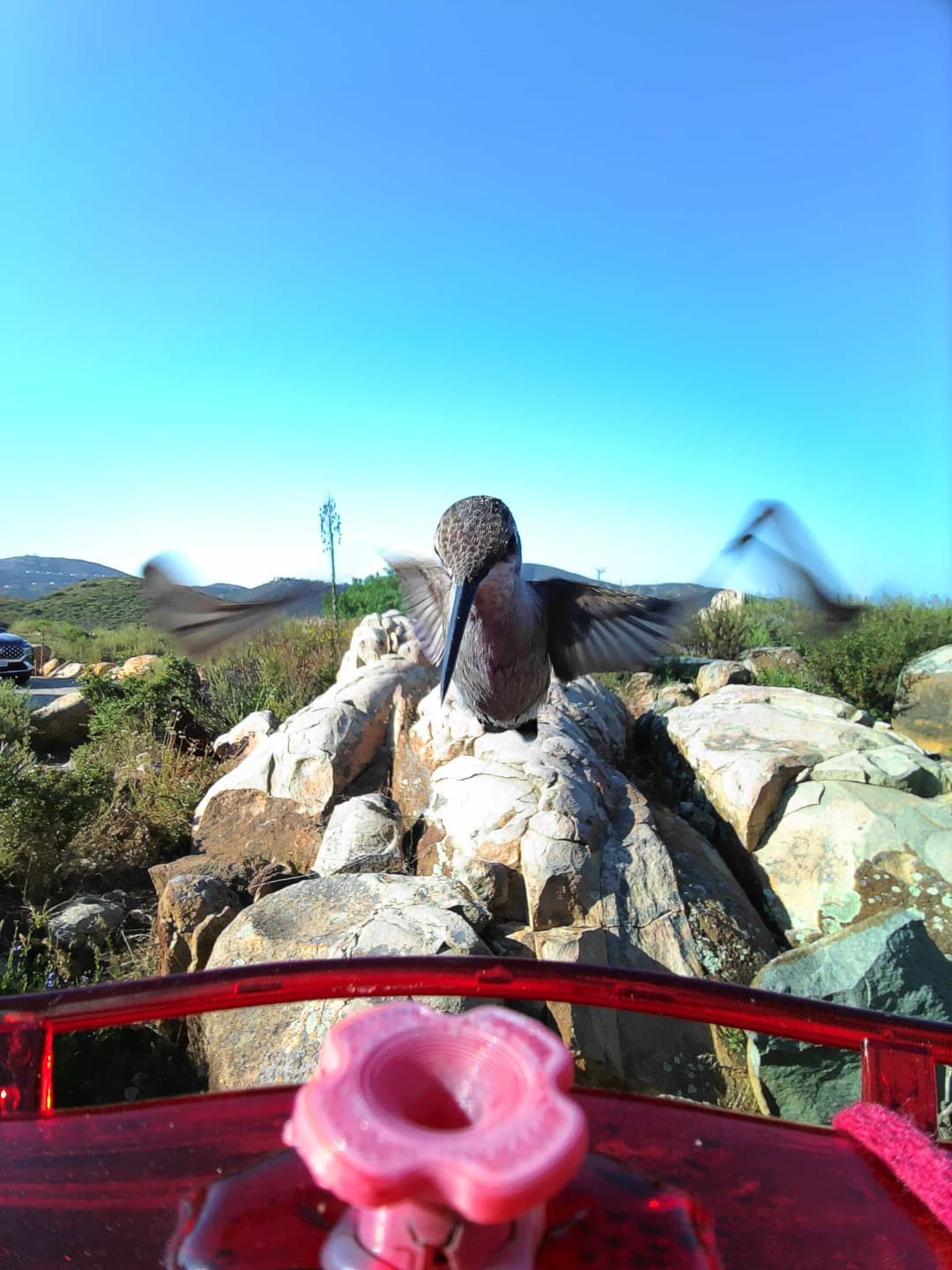
Black-Chinned Hummingbird vs Ruby-Throated Hummingbird
Black-Chinned Hummingbird vs Costa’s Hummingbird
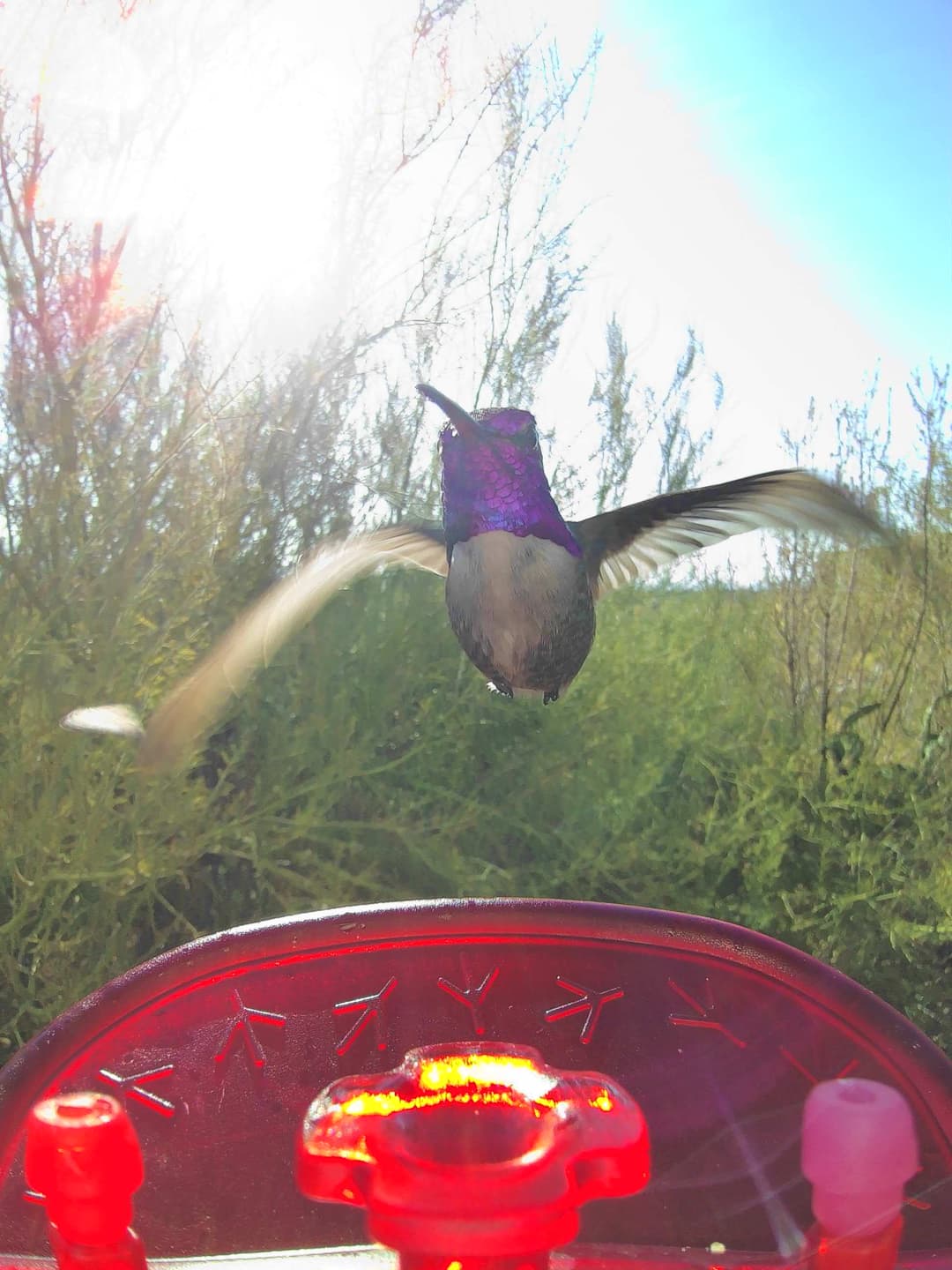
Black-Chinned Hummingbird vs Lucifer Hummingbird
Berylline Hummingbird vs [Select a bird]

[Select a bird]
Pick a bird to compare
Black-Chinned Hummingbird vs [Select a bird]
[Select a bird]
Pick a bird to compare