Berylline Hummingbird or Violet-Crowned Hummingbird?
Here's how to tell the difference
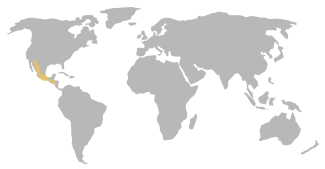


Berylline Hummingbird

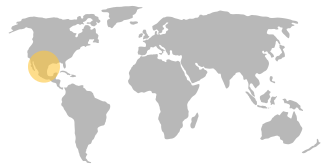
Violet-Crowned Hummingbird
Berylline Hummingbird
Saucerottia beryllina
General appearance
The berylline hummingbird displays a striking combination of vivid colors, primarily characterized by a shimmering green head and body, transitioning into a bronze to reddish-bronze tone on the back and tail. Their small size, typically 8-10 cm in length, and rapid, agile flight are hallmark features that aid in identification.
Male vs female
Males are noted for their bright emerald green plumage throughout, with a more extensive and vibrant reddish-brown coloration on the tail compared to females. Females exhibit more subdued coloration, with a paler underbelly and less intense iridescence. Both sexes possess a slightly decurved, slender black bill, but males have slightly brighter coloration overall.
Juvenile
Juvenile berylline hummingbirds resemble females more closely, with duller green plumage and less iridescent feathers. They typically lack the striking shine of adult plumage and gradually develop more vibrant colors as they mature. In the field, juveniles can be identified by their muted tones and less defined coloration of the tail and back.
Size
3.1 - 3.9 in/0.1 - 0.2 oz
There's more to learn about Berylline Hummingbird
View full detailsViolet-Crowned Hummingbird
Leucolia violiceps
General appearance
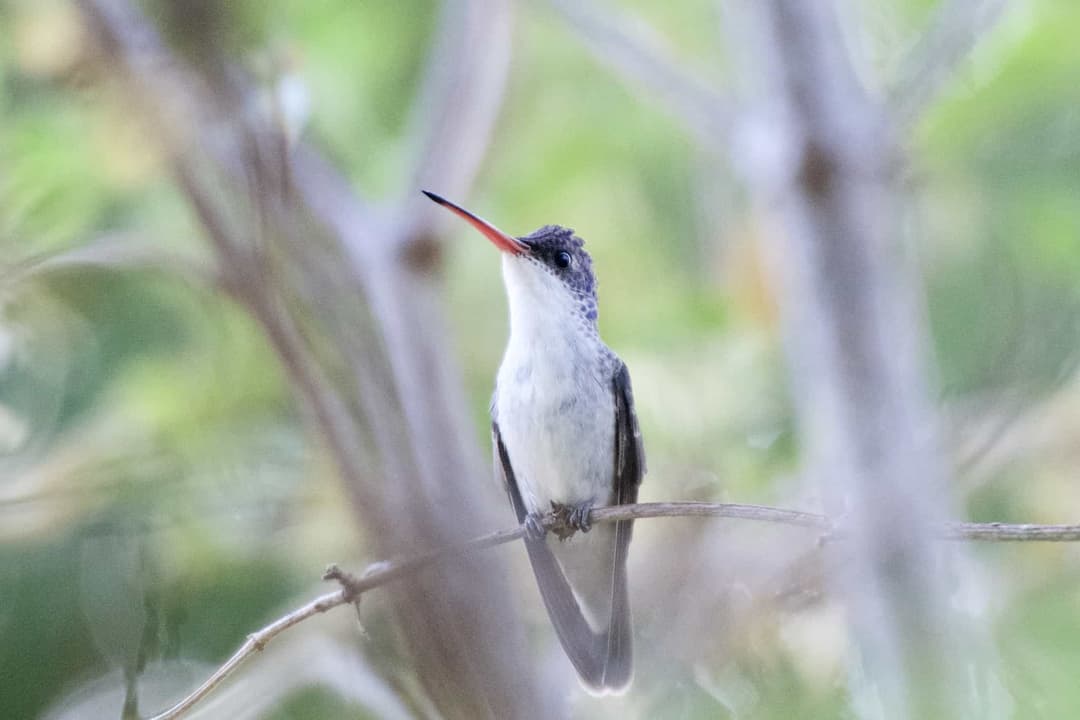
The violet-crowned hummingbird stands out for its vibrant violet-blue crown which contrasts brightly with its white underparts. Its back and tail are a shiny green, and its straight, slender bill is predominantly reddish with a black tip.
Male vs female
Both male and female violet-crowned hummingbirds share similar plumage, a rarity among hummingbirds. The main difference lies in size, with females being slightly larger, and in tail shape, with females having rounded tail feathers and males having forked ones.
Juvenile
Juvenile violet-crowned hummingbirds are similar to adults but their plumage is duller. Their crowns might not possess the distinctive violet hue until they mature. They can be recognized by the presence of buffy feather tips on their back and wing coverts.
Size
3.9 - 4.5 in/0.2 oz
There's more to learn about Violet-Crowned Hummingbird
View full detailsHow to tell the Berylline Hummingbird from the Violet-Crowned Hummingbird
Visual differences
The Berylline Hummingbird (3.1–3.9 inches, 0.14–0.16 ounces) showcases a vibrant green head and body with a bronze tail and a black, slightly curved bill. Males are more vividly colored than females. In contrast, the Violet-Crowned Hummingbird (4–4.5 inches, 0.18–0.2 ounces) features a distinctive violet-blue crown, white underparts, green back and tail, and a straight red bill with a black tip. Both sexes appear similar, but females are slightly larger and have a rounded tail.
Key differences and behavior
In the field, the Berylline Hummingbird and Violet-Crowned Hummingbird can be distinguished by behavior and habitat preferences. Berylline Hummingbirds are notably feisty and dominant at feeders and prefer mountain forests and canyons upwards of 5,000 feet, often nesting during the summer rainy season. In contrast, Violet-Crowned Hummingbirds are more inclined towards broadleaf forests at mid-elevations, sometimes residing near water sources year-round without migrating. Both birds feed on nectar and insects, but Berylline Hummingbirds are particularly aggressive at achieving feeder dominance. Vocal and aerial courtship displays are typical for both species; however, the Violet-Crowned Hummingbird is unique for its migration patterns and tail-feather sounds during mating flights. Berylline females solely manage nesting duties, whereas Violet-Crowned females tend to extend parental care post-fledging.
Still not sure? Here are more lookalikes!
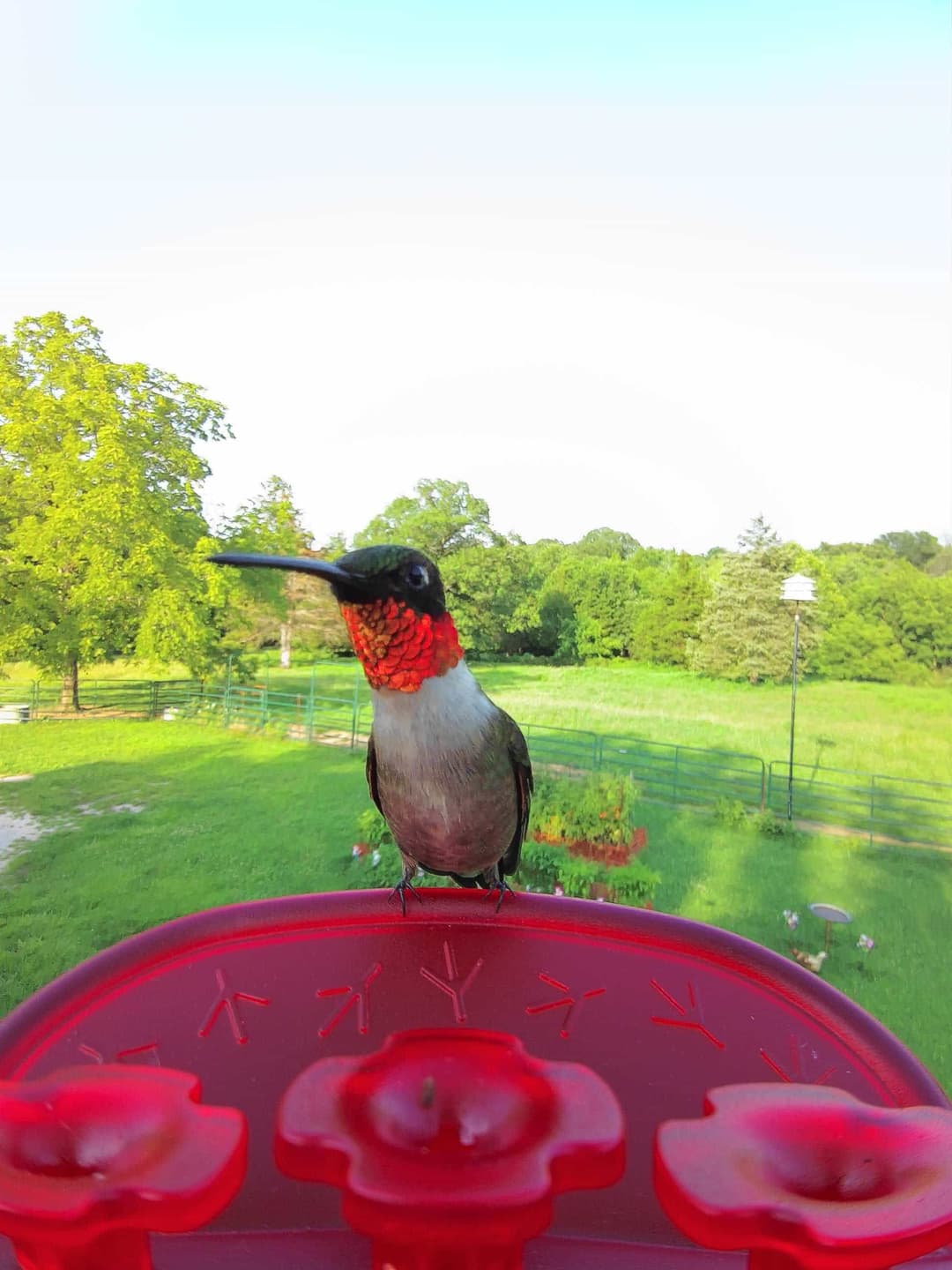
Berylline Hummingbird vs Ruby-Throated Hummingbird
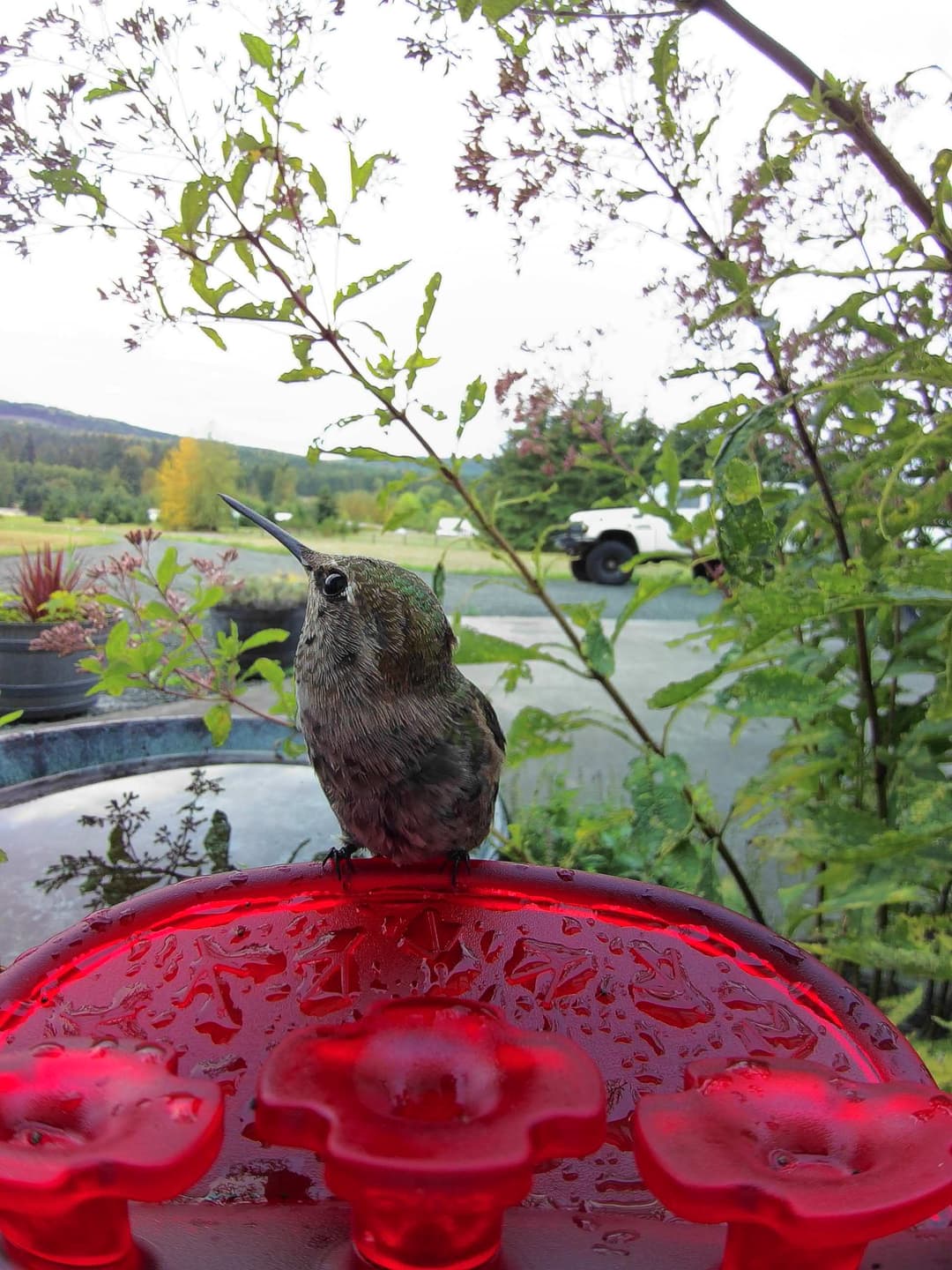
Berylline Hummingbird vs Anna's Hummingbird
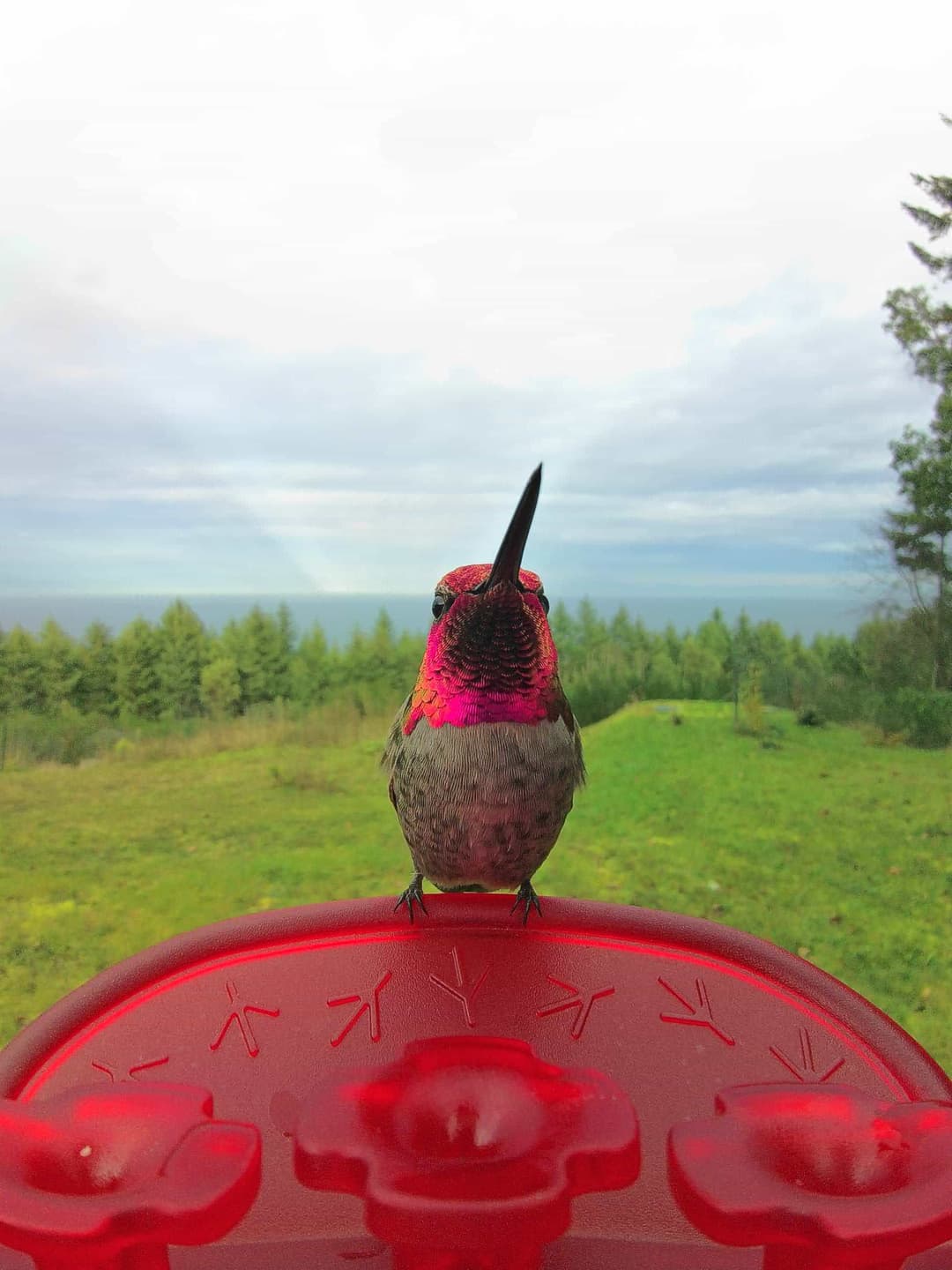
Berylline Hummingbird vs Allen's Hummingbird
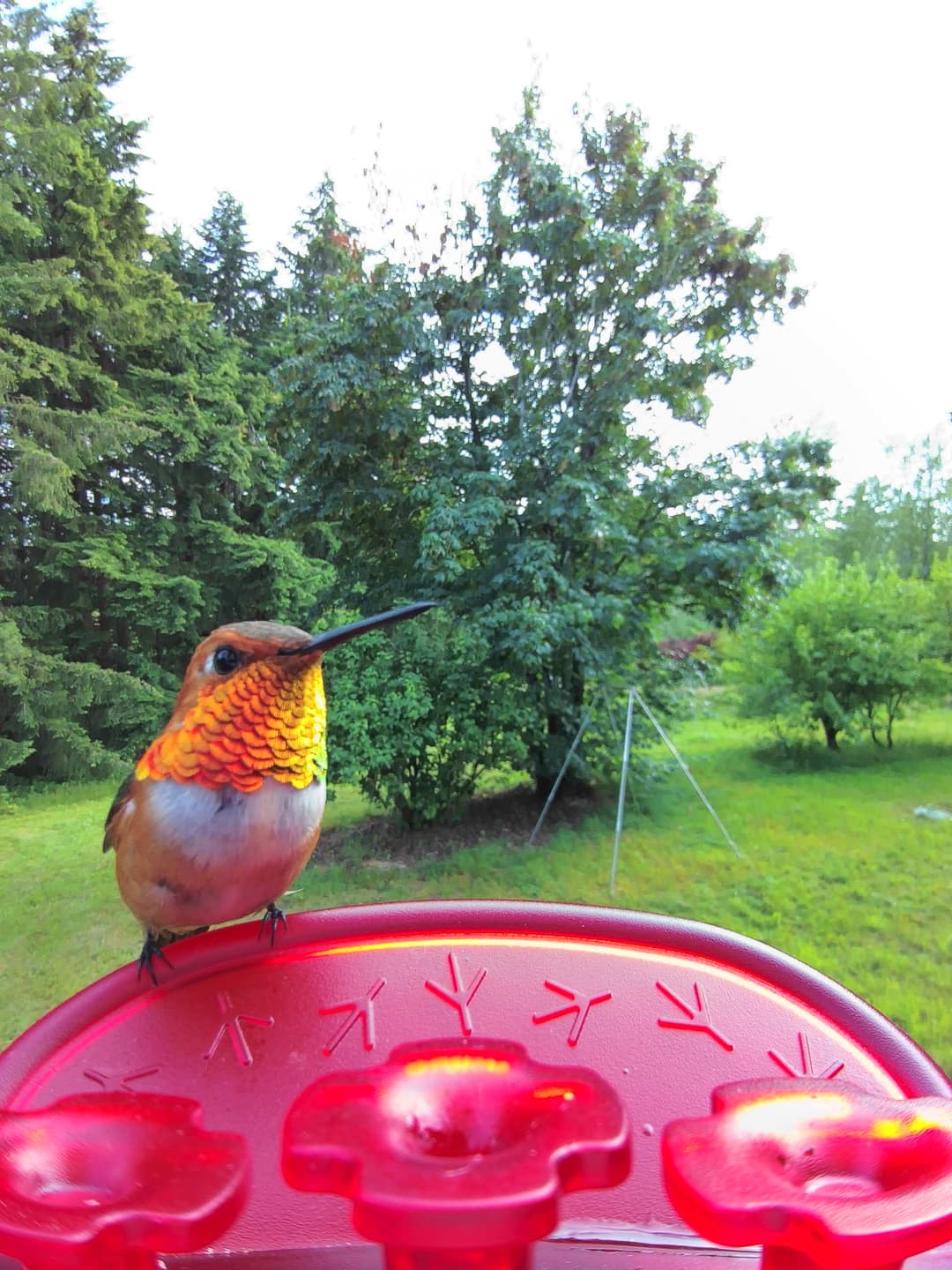
Berylline Hummingbird vs Rufous Hummingbird
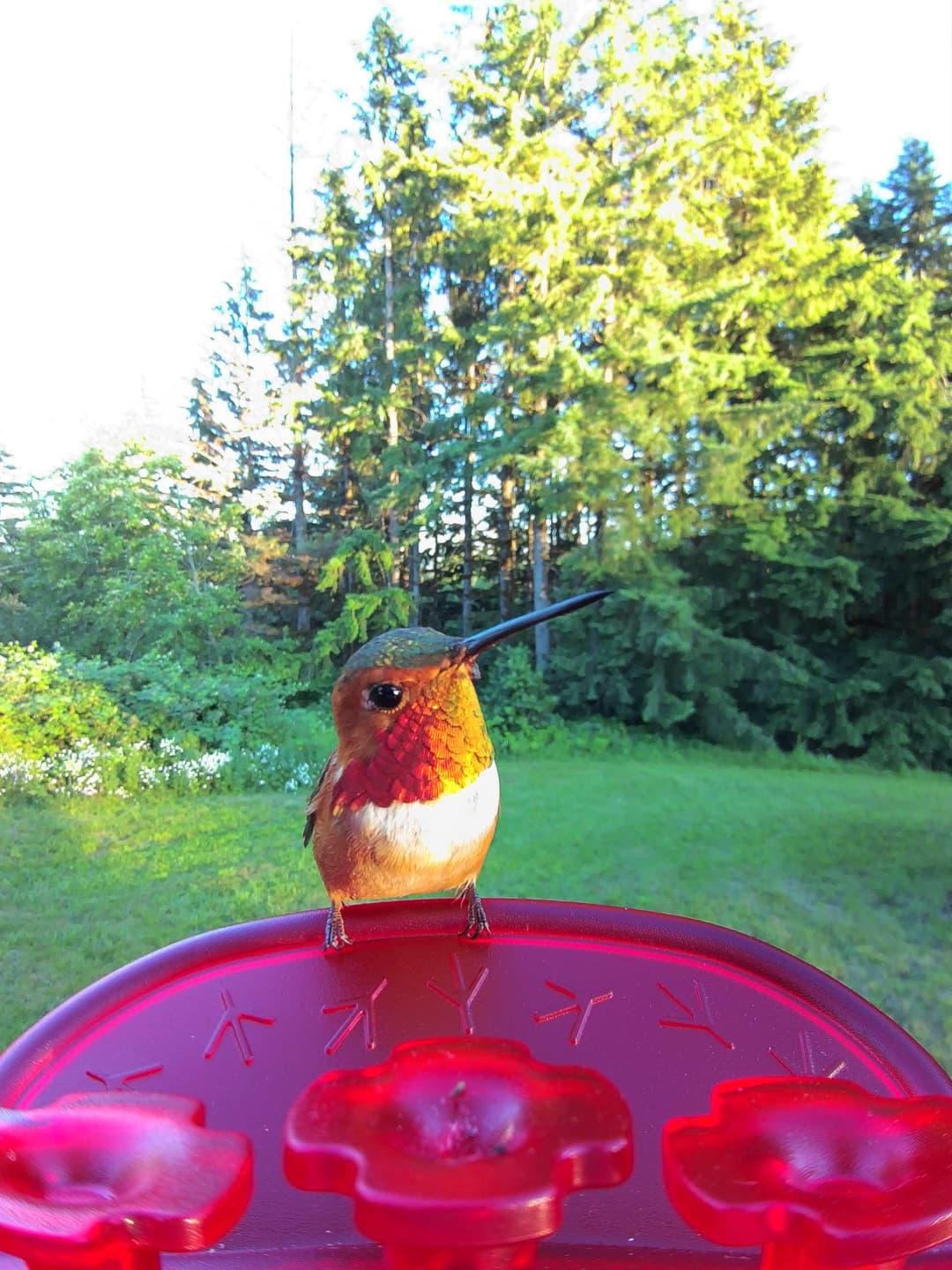
Berylline Hummingbird vs Black-Chinned Hummingbird
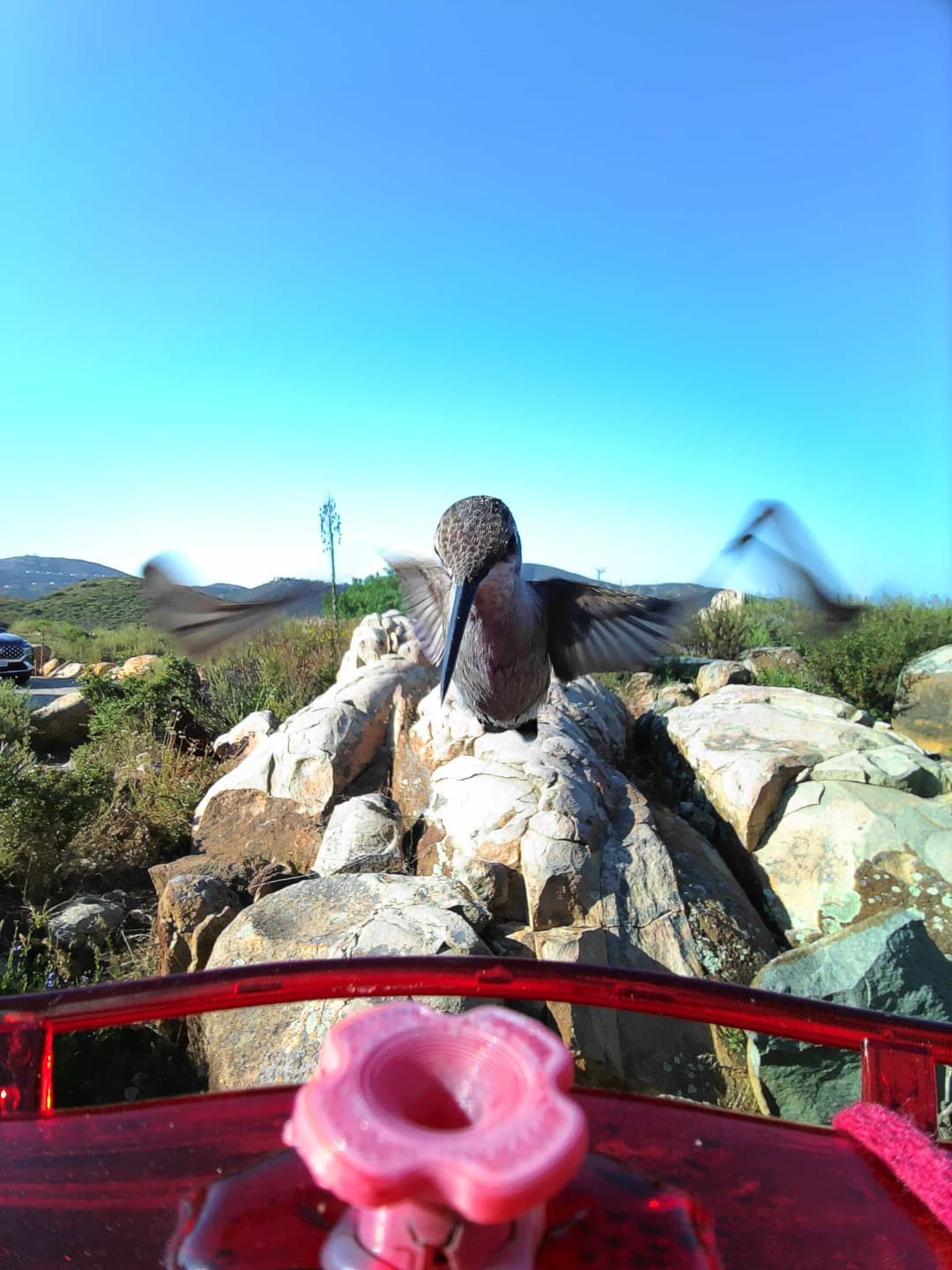
Berylline Hummingbird vs Broad-Billed Hummingbird
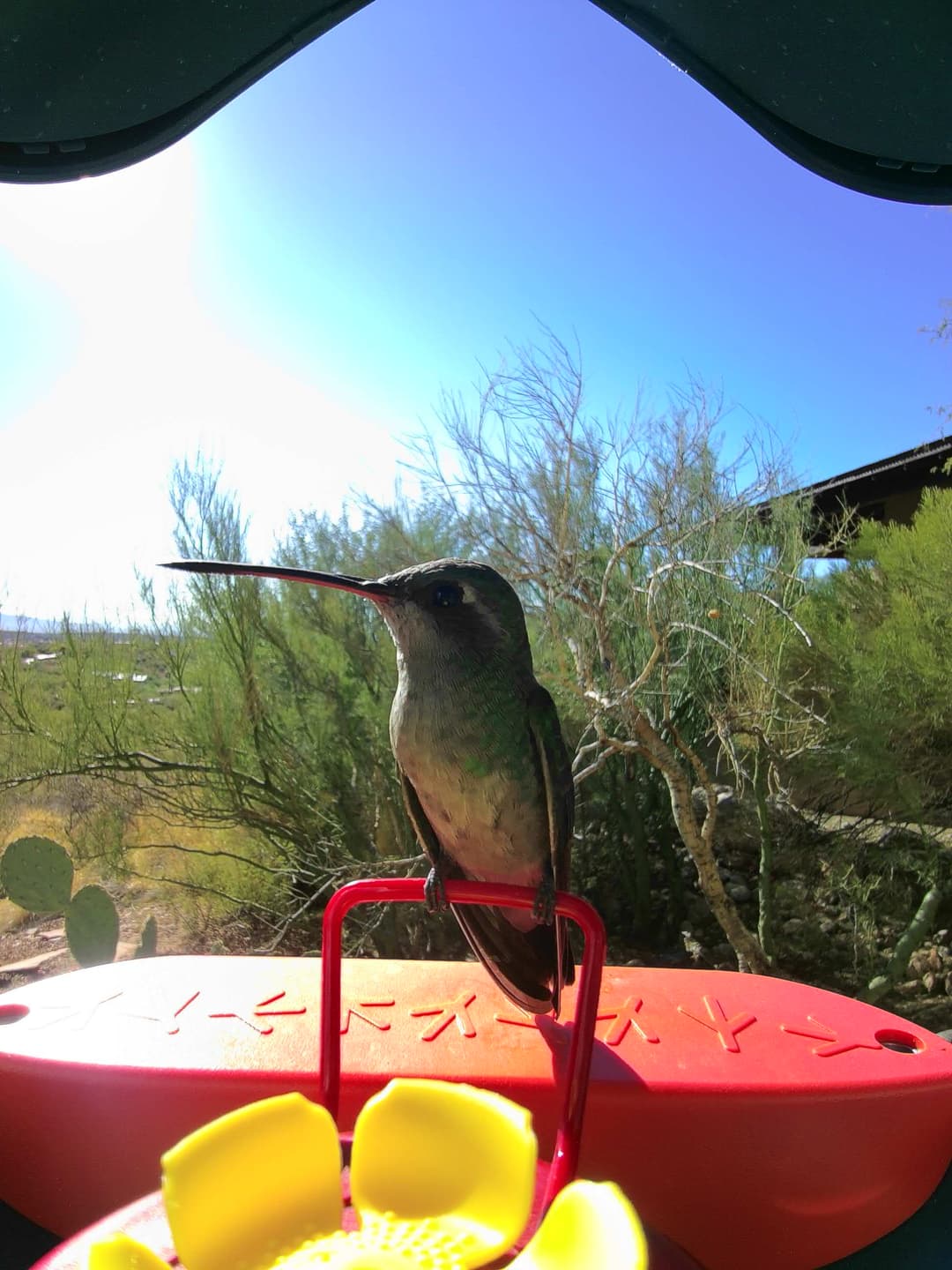
Berylline Hummingbird vs Buff-Bellied Hummingbird
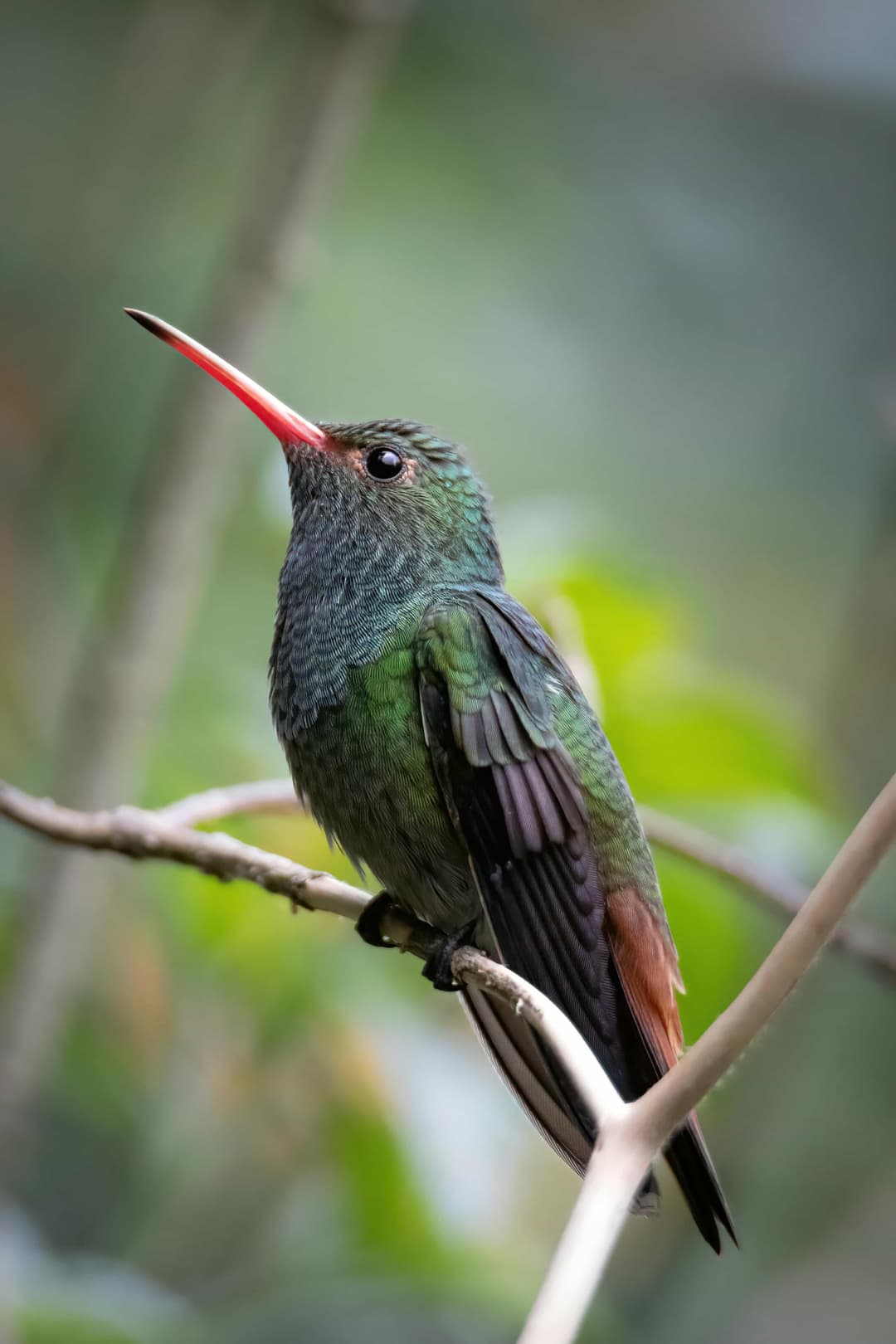
Berylline Hummingbird vs Lucifer Hummingbird
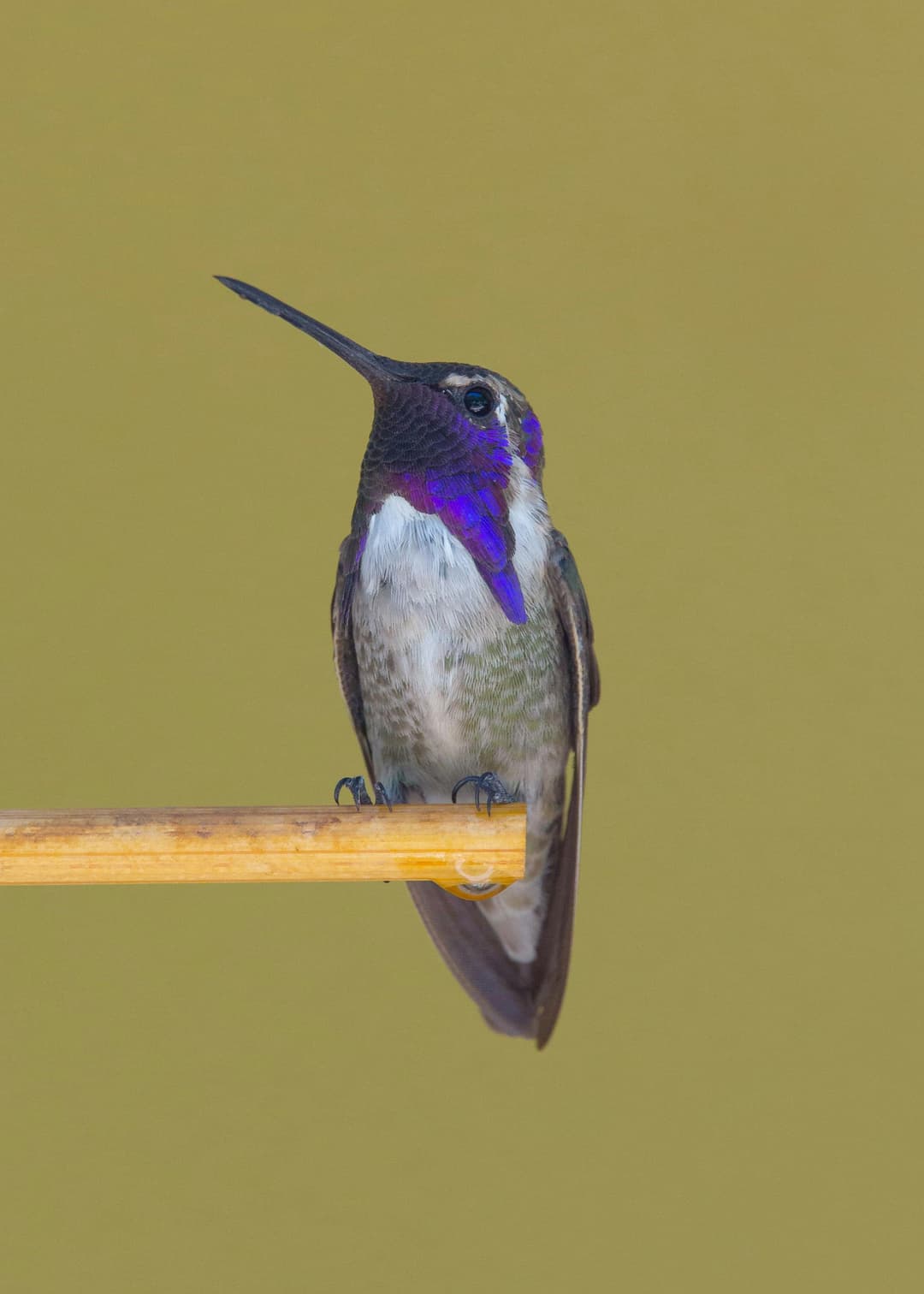
Berylline Hummingbird vs Rivoli's Hummingbird
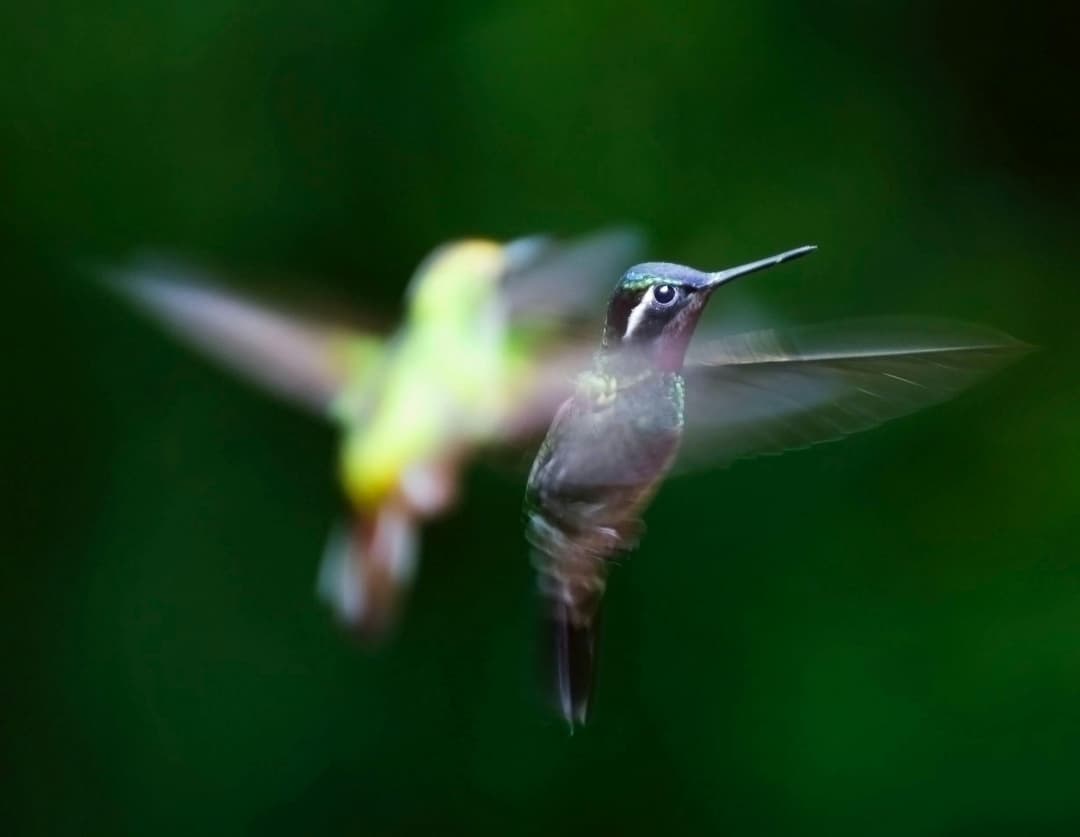
Violet-Crowned Hummingbird vs Ruby-Throated Hummingbird
Violet-Crowned Hummingbird vs Anna's Hummingbird
Violet-Crowned Hummingbird vs Black-Chinned Hummingbird
Violet-Crowned Hummingbird vs Allen's Hummingbird
Violet-Crowned Hummingbird vs Rufous Hummingbird
Berylline Hummingbird vs [Select a bird]

[Select a bird]
Pick a bird to compare
Violet-Crowned Hummingbird vs [Select a bird]
[Select a bird]
Pick a bird to compare