Berylline Hummingbird or Rivoli's Hummingbird?
Here's how to tell the difference




Berylline Hummingbird

Rivoli's Hummingbird
Berylline Hummingbird
Saucerottia beryllina
General appearance
The berylline hummingbird displays a striking combination of vivid colors, primarily characterized by a shimmering green head and body, transitioning into a bronze to reddish-bronze tone on the back and tail. Their small size, typically 8-10 cm in length, and rapid, agile flight are hallmark features that aid in identification.
Male vs female
Males are noted for their bright emerald green plumage throughout, with a more extensive and vibrant reddish-brown coloration on the tail compared to females. Females exhibit more subdued coloration, with a paler underbelly and less intense iridescence. Both sexes possess a slightly decurved, slender black bill, but males have slightly brighter coloration overall.
Juvenile
Juvenile berylline hummingbirds resemble females more closely, with duller green plumage and less iridescent feathers. They typically lack the striking shine of adult plumage and gradually develop more vibrant colors as they mature. In the field, juveniles can be identified by their muted tones and less defined coloration of the tail and back.
Size
3.1 - 3.9 in/0.1 - 0.2 oz
There's more to learn about Berylline Hummingbird
View full detailsRivoli's Hummingbird
Eugenes fulgens
General appearance
Rivoli's hummingbird is a large hummingbird with a straight, medium-length bill and vibrant plumage. Its deep green upperparts, combined with the iridescent emerald-purple crown, make it distinctive. The throat can appear black in dim light, which contrasts sharply with the rest of its vibrant plumage. When in flight, their wings beat rapidly, producing a unique humming sound.
Male vs female
Males are vividly colored with an emerald-green crown and throat, while their underparts are often darker. Females, on the other hand, have more muted colorations, lacking the vibrant green on the crown and throat; instead, they display a more subdued grayish-green. Both sexes have white spots behind the eyes. During the breeding season, males can be seen performing aerial displays to attract females.
Juvenile
Juvenile Rivoli's hummingbirds closely resemble females in coloration, typically displaying more subdued tones and less iridescence. They lack the striking crown feathers of the adult males. As they mature, the plumage becomes more vibrant. Juveniles might show gradual development of iridescent feathers typically as they transition into adulthood, especially noticeable during their first molting period.
Size
4.3 - 5.5 in/0.2 - 0.4 oz
There's more to learn about Rivoli's Hummingbird
View full detailsHow to tell the Berylline Hummingbird from the Rivoli's Hummingbird
Visual differences
The Berylline Hummingbird is smaller, measuring 3-4 inches in length and weighing 0.14-0.16 ounces, with a shimmering green head, bronze back, and a slightly decurved black bill. In contrast, Rivoli's Hummingbird is larger, 4.3-5.5 inches long and 0.21-0.35 ounces, featuring an emerald-purple crown and throat with a straight, medium-length bill. Males display vibrant colors, while females of both species have more muted tones. Distinctive white spots behind Rivoli’s Hummingbird's eyes and a brighter, iridescent plumage in Berylline males aid in differentiation.
Key differences and behavior
Berylline Hummingbirds and Rivoli's Hummingbirds exhibit distinct behaviors and preferences despite both residing in similar habitats of high-altitude pine-oak forests. Beryllines are notably aggressive, quickly establishing dominance at feeding sites and participating in territorial disputes. In contrast, Rivoli's Hummingbirds are more passive and practice "traplining," where they follow set routes between flowers, minimizing competition. Both species nest in trees using similar materials, but Rivoli's prefer higher nests (10-60 feet) compared to Berylline's lower positions. In terms of diet, both consume nectar and insects, visiting feeders for sugar-water, but Rivoli's are adept at catching insects mid-flight. Berylline Hummingbirds lack well-documented courtship displays, while Rivoli's males perform aerial shows and sing to attract mates.
Still not sure? Here are more lookalikes!
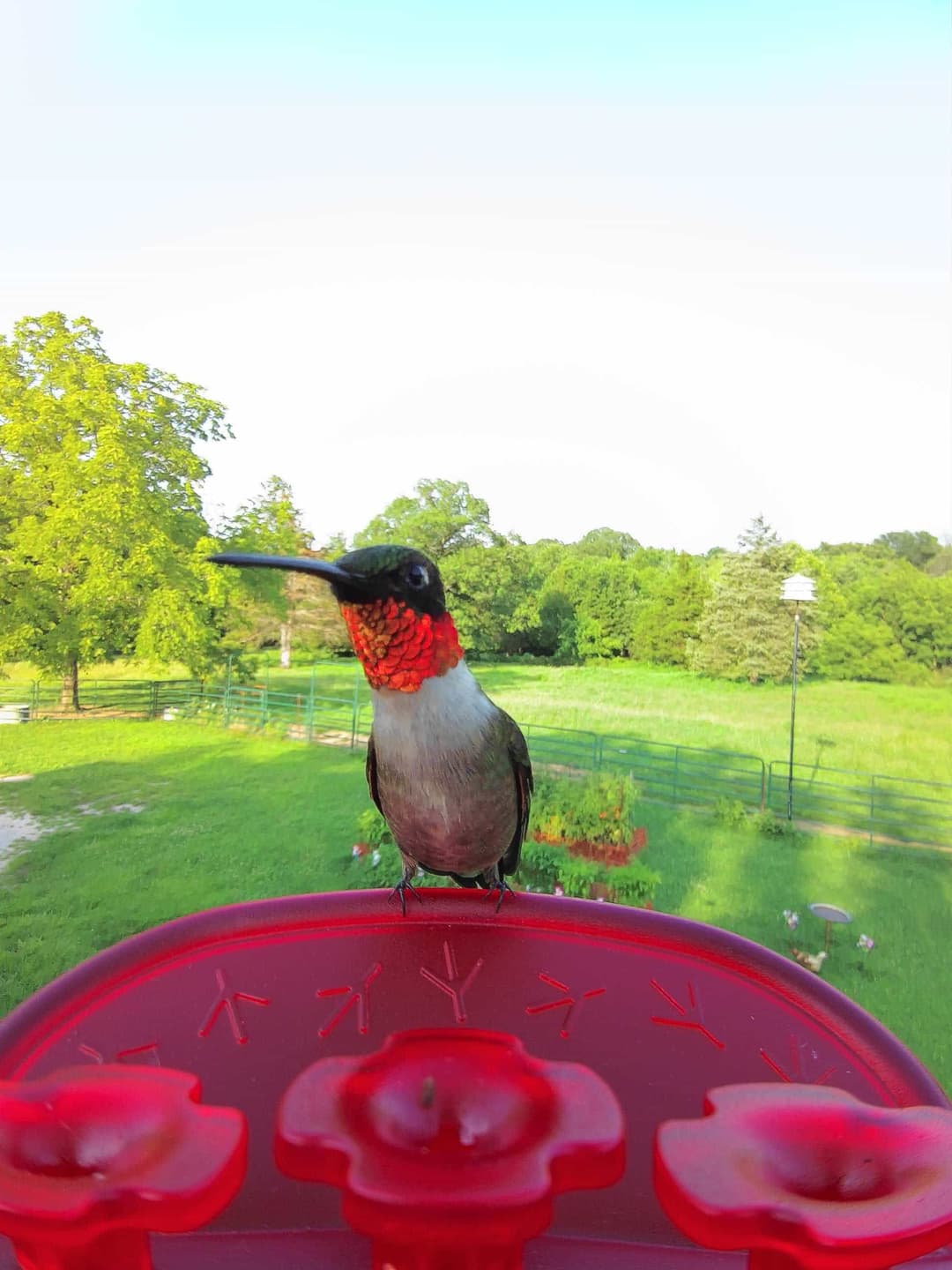
Berylline Hummingbird vs Ruby-Throated Hummingbird
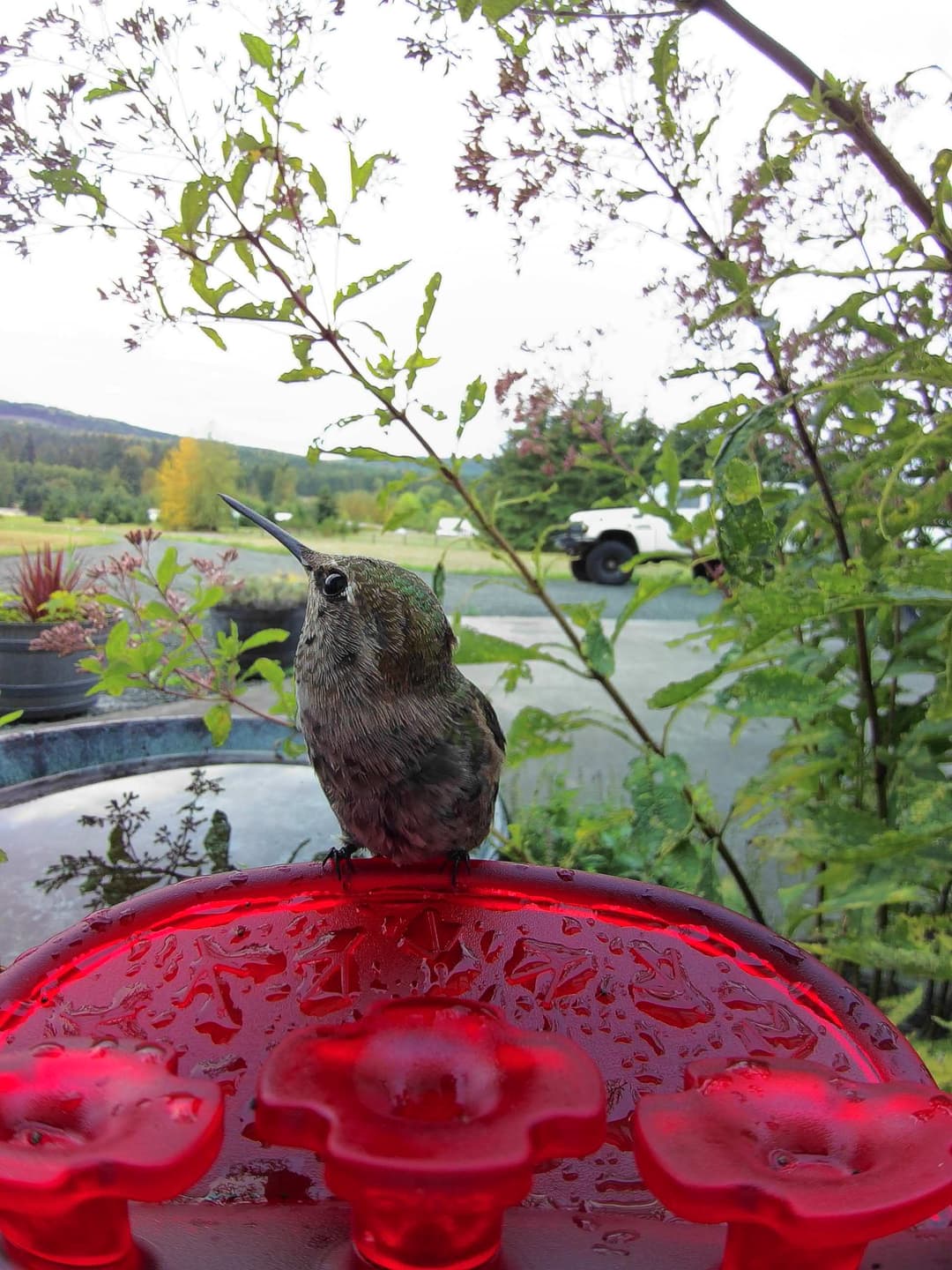
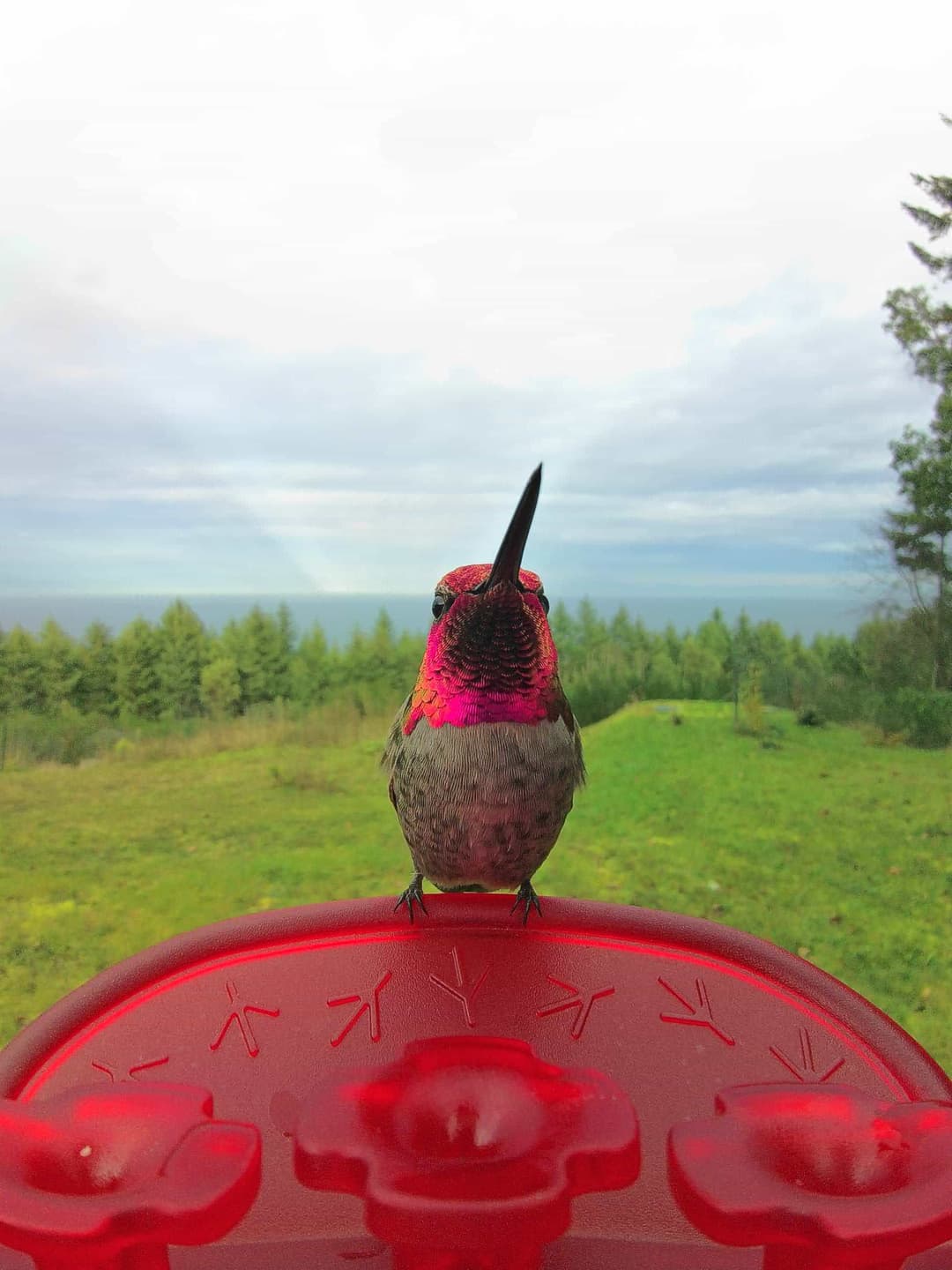
Berylline Hummingbird vs Anna's Hummingbird
Berylline Hummingbird vs Allen's Hummingbird
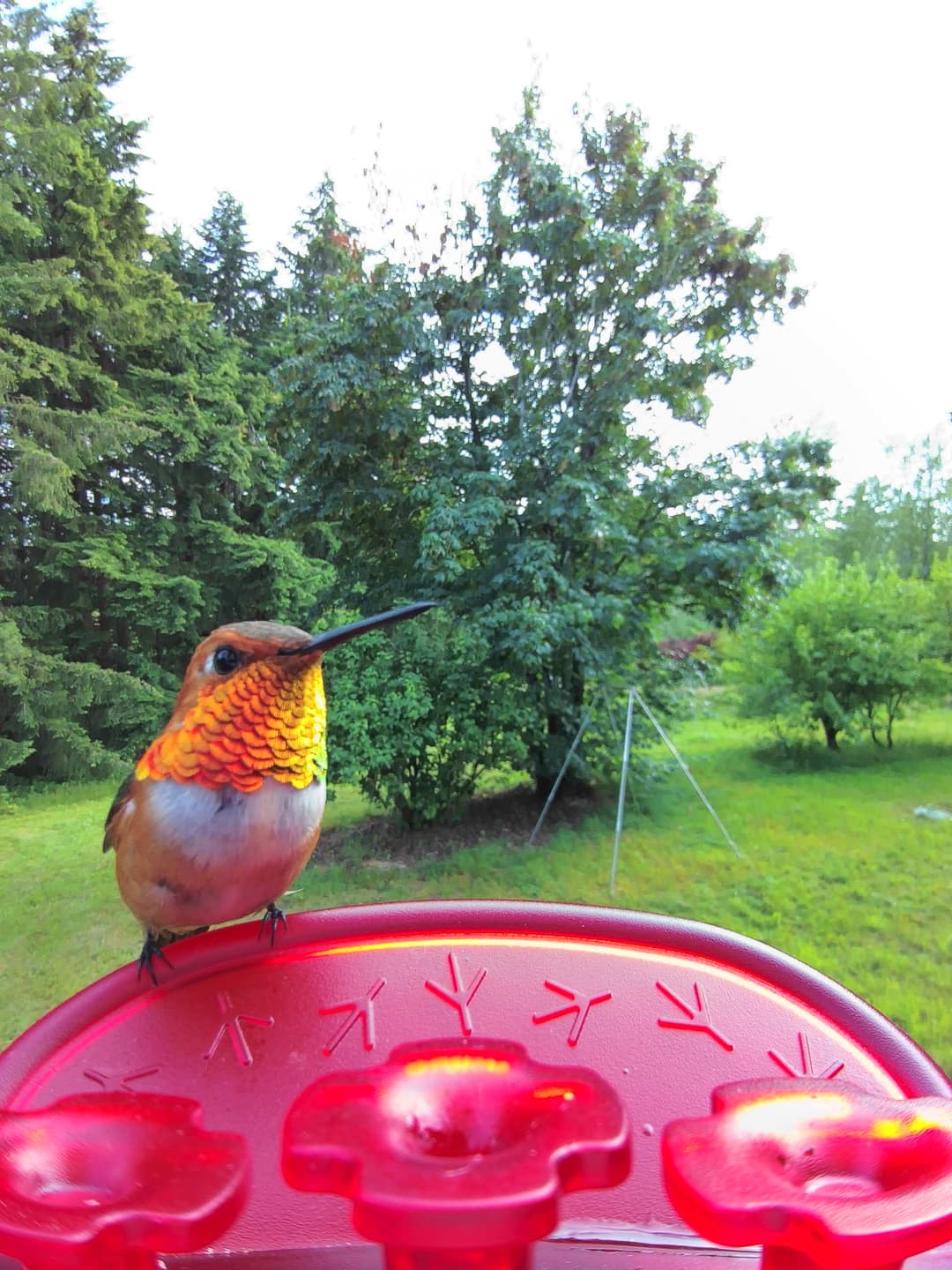
Berylline Hummingbird vs Rufous Hummingbird
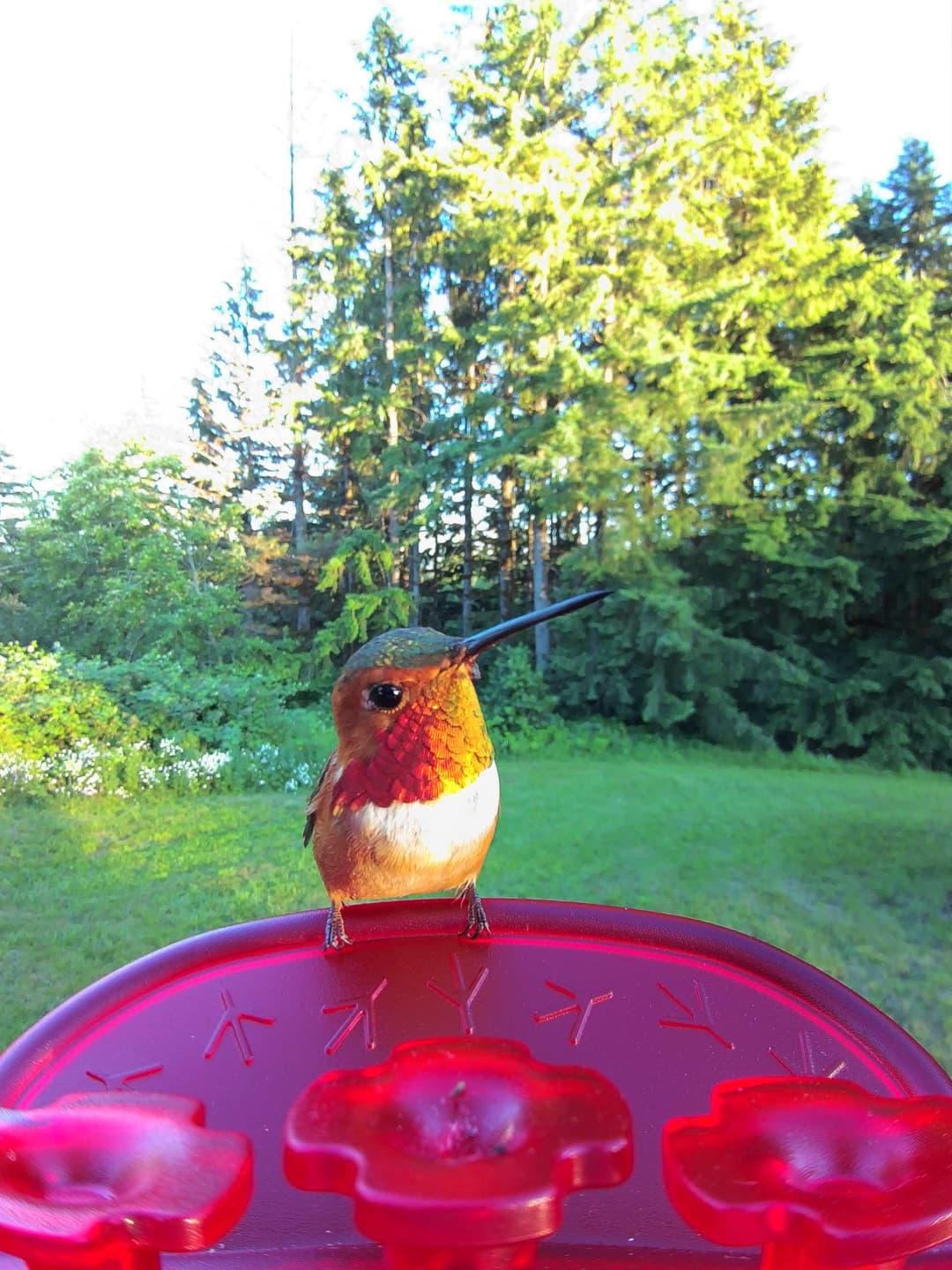
Berylline Hummingbird vs Black-Chinned Hummingbird
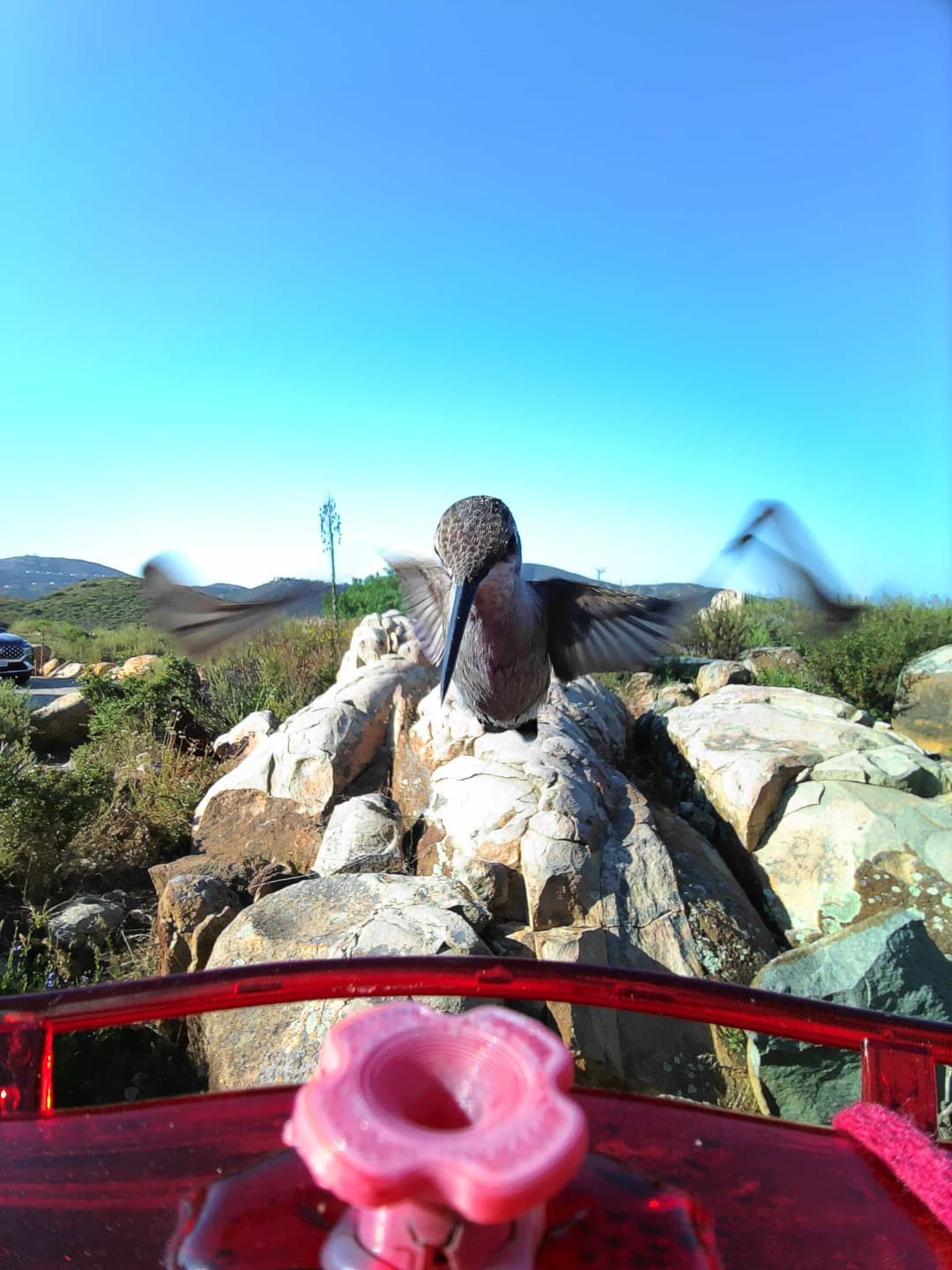
Berylline Hummingbird vs Broad-Billed Hummingbird
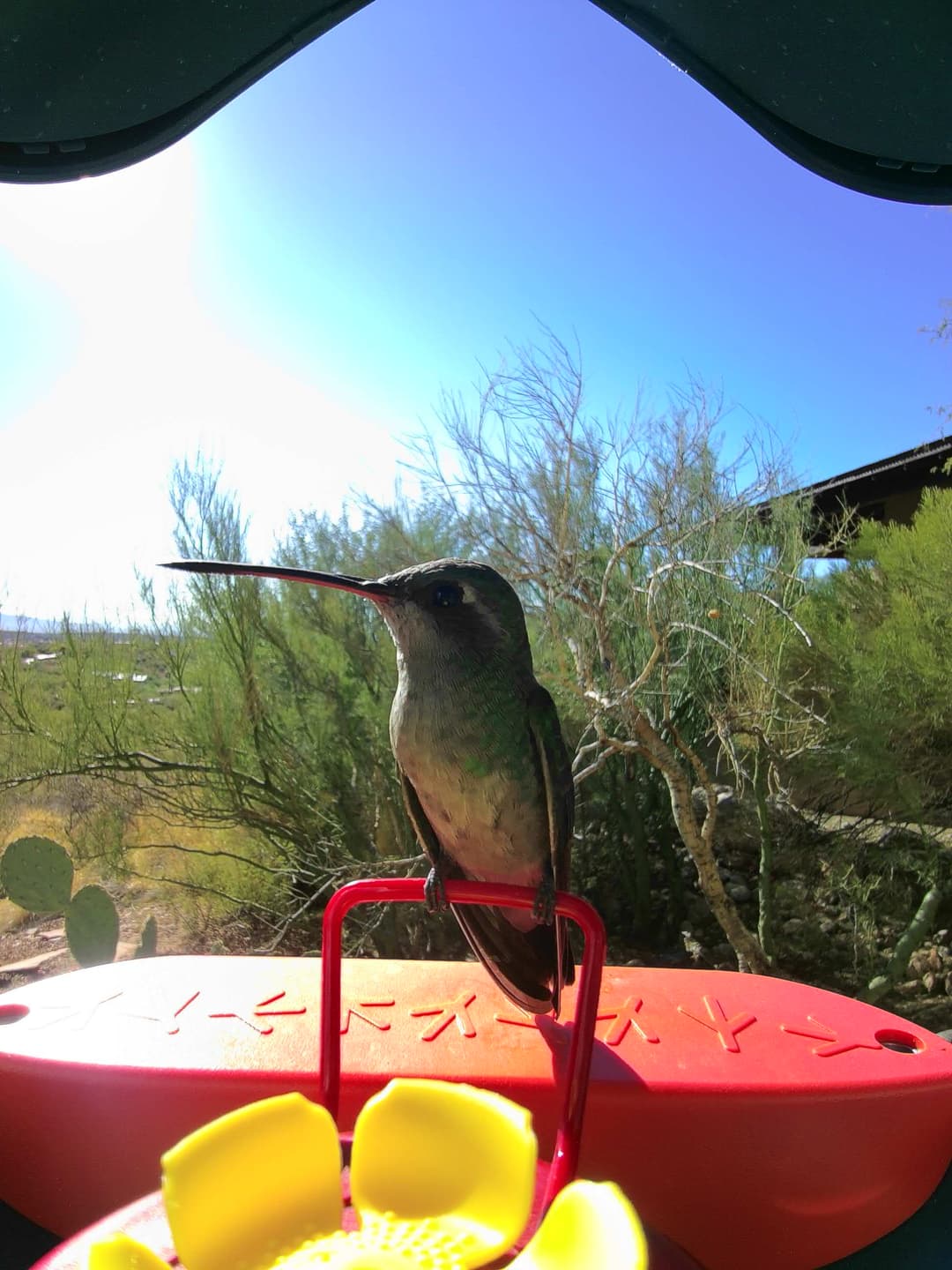
Berylline Hummingbird vs Buff-Bellied Hummingbird
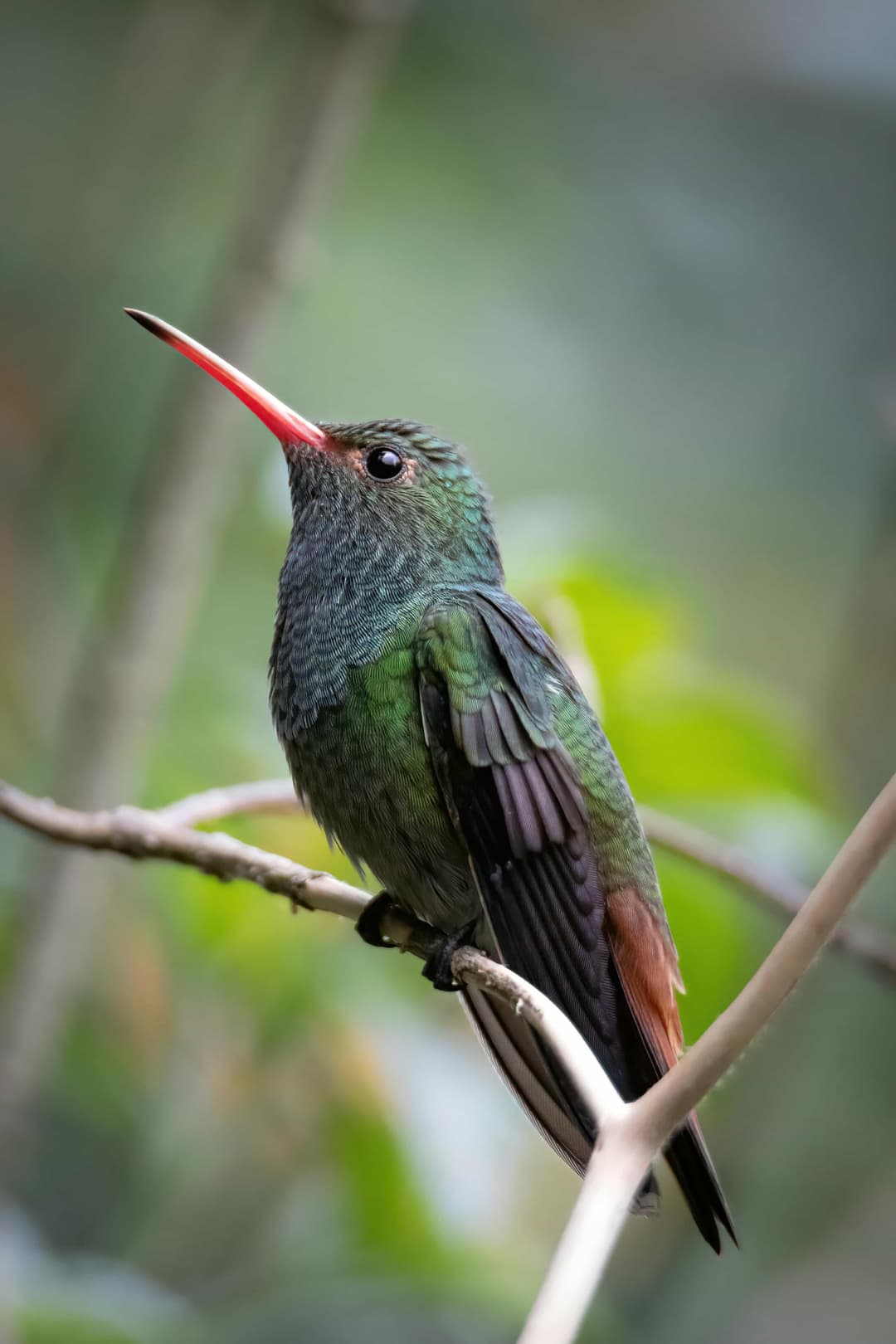
Berylline Hummingbird vs Lucifer Hummingbird
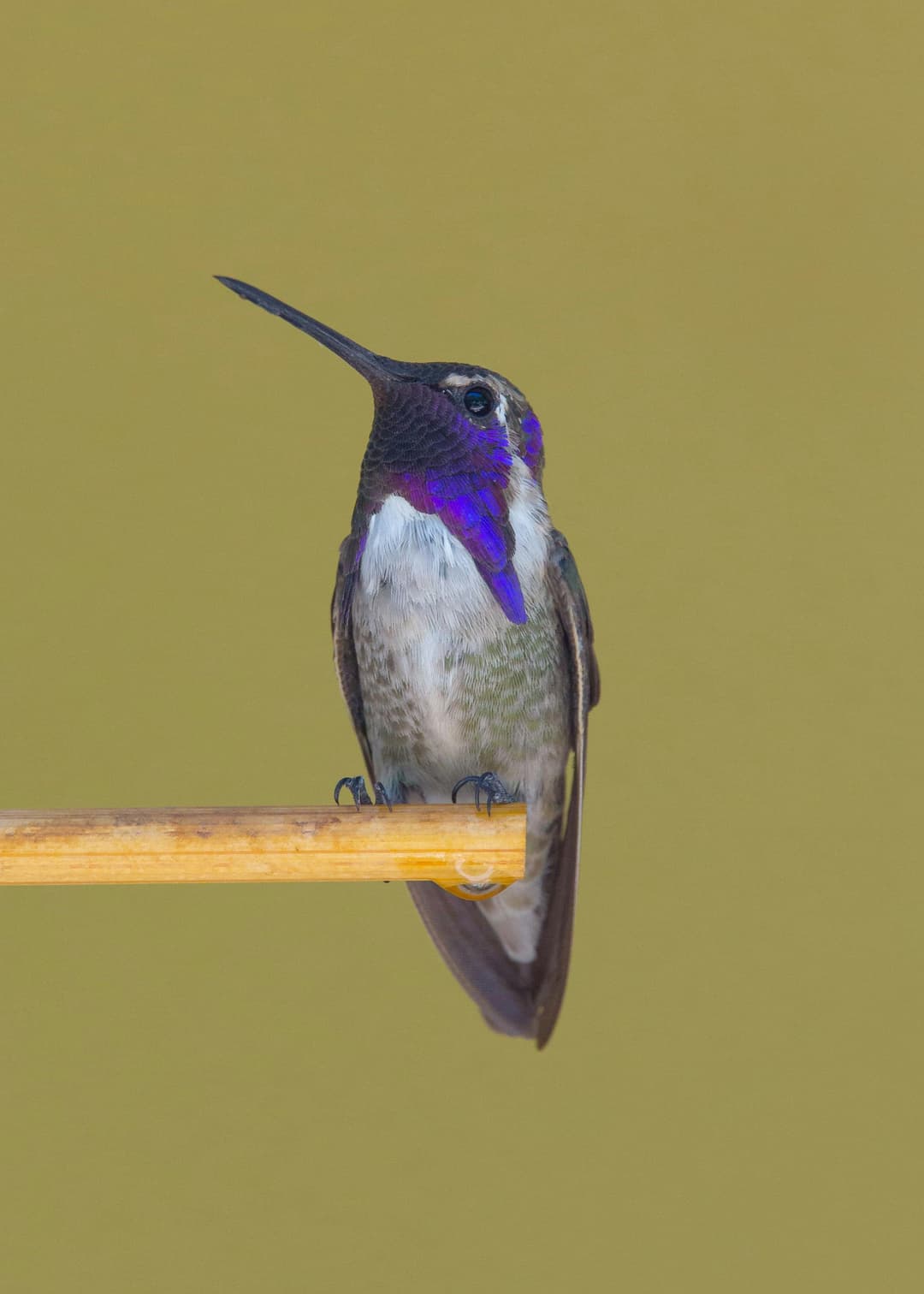
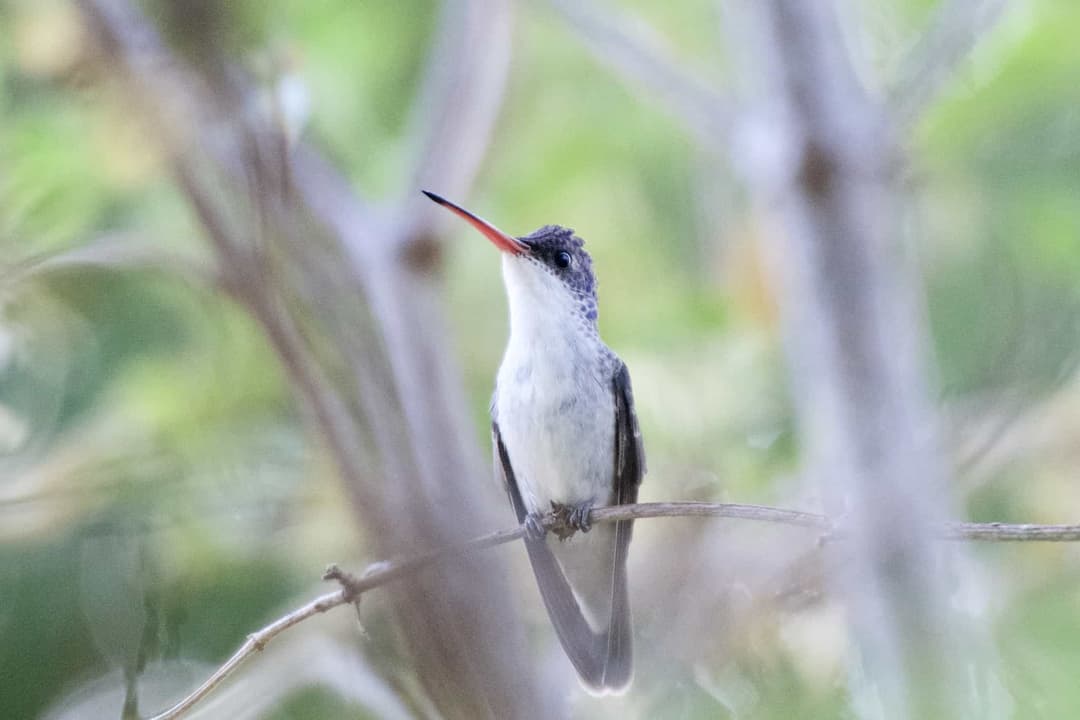
Berylline Hummingbird vs Violet-Crowned Hummingbird
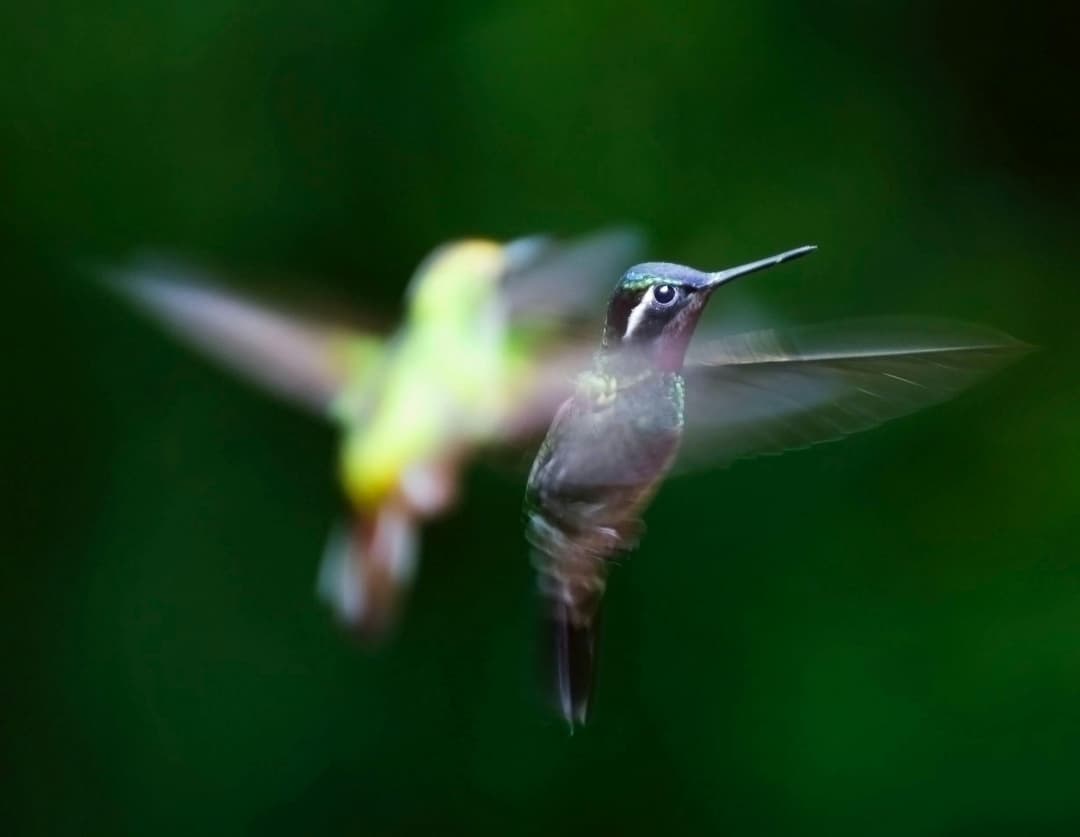
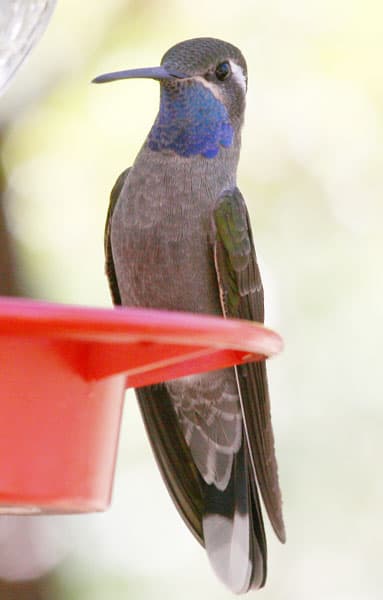
Rivoli's Hummingbird vs Blue-Throated Mountain-Gem
Rivoli's Hummingbird vs Black-Chinned Hummingbird
Berylline Hummingbird vs [Select a bird]

[Select a bird]
Pick a bird to compare
Rivoli's Hummingbird vs [Select a bird]
[Select a bird]
Pick a bird to compare