Berylline Hummingbird or Buff-Bellied Hummingbird?
Here's how to tell the difference
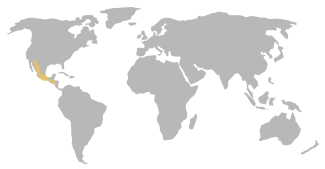


Berylline Hummingbird

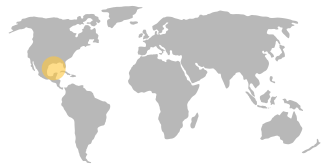
Buff-Bellied Hummingbird
Berylline Hummingbird
Saucerottia beryllina
General appearance
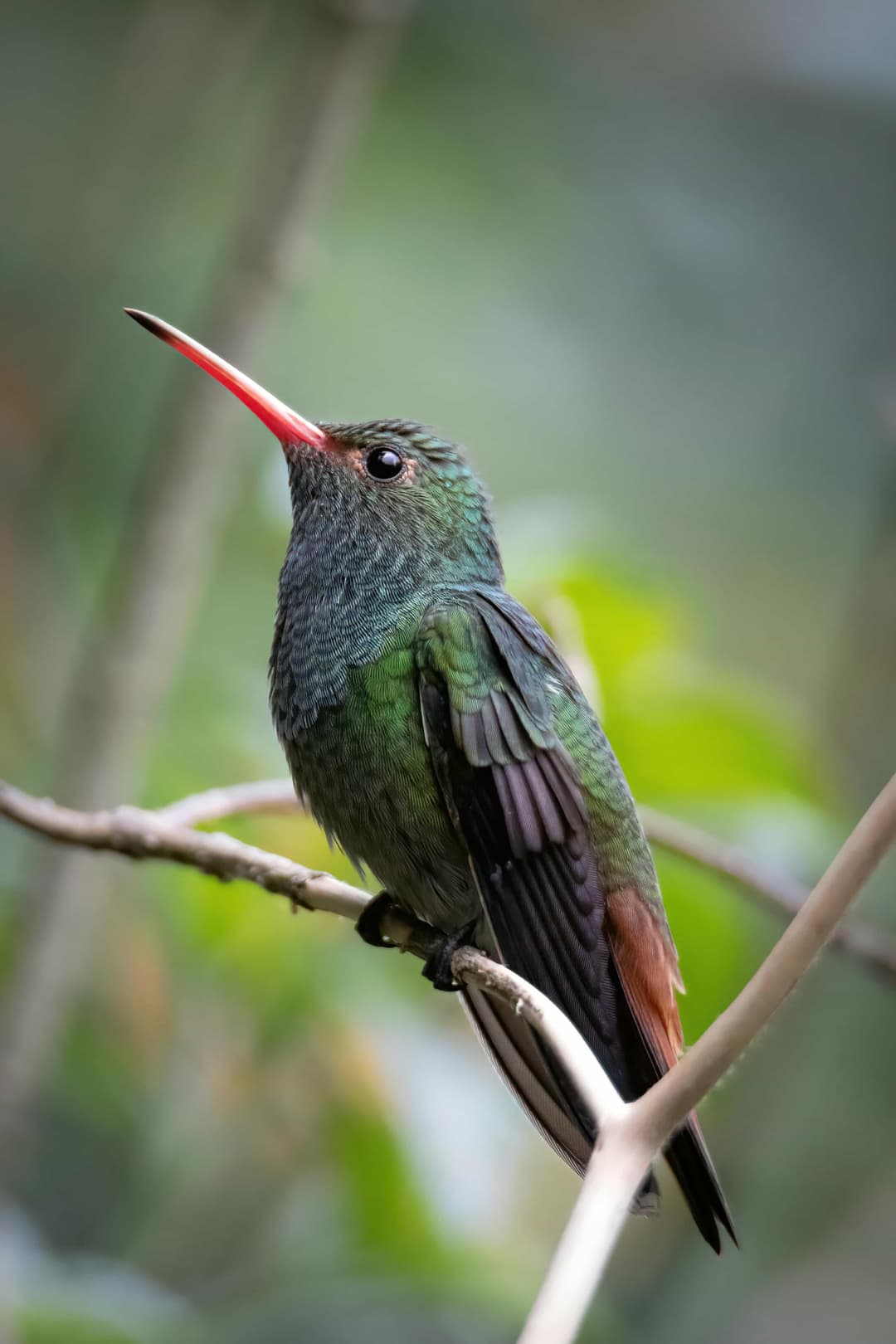
The berylline hummingbird displays a striking combination of vivid colors, primarily characterized by a shimmering green head and body, transitioning into a bronze to reddish-bronze tone on the back and tail. Their small size, typically 8-10 cm in length, and rapid, agile flight are hallmark features that aid in identification.
Male vs female
Males are noted for their bright emerald green plumage throughout, with a more extensive and vibrant reddish-brown coloration on the tail compared to females. Females exhibit more subdued coloration, with a paler underbelly and less intense iridescence. Both sexes possess a slightly decurved, slender black bill, but males have slightly brighter coloration overall.
Juvenile
Juvenile berylline hummingbirds resemble females more closely, with duller green plumage and less iridescent feathers. They typically lack the striking shine of adult plumage and gradually develop more vibrant colors as they mature. In the field, juveniles can be identified by their muted tones and less defined coloration of the tail and back.
Size
3.1 - 3.9 in/0.1 - 0.2 oz
There's more to learn about Berylline Hummingbird
View full detailsBuff-Bellied Hummingbird
Amazilia yucatanensis
General appearance
The buff-bellied hummingbird (Amazilia yucatanensis) is medium-sized with iridescent green upperparts and a reddish, metallic tail. Its most distinctive feature is the buff-colored belly and undertail coverts. The beak is long, slender, and slightly curved, with a flesh-colored base blending into a black tip.
Male vs female
Males generally display brighter and more iridescent plumage than females, emphasizing their metallic green and reddish tones. Females are comparatively duller, with less intense coloration and a pronounced buff hue on the underparts. Both sexes can be identified by a distinctive white spot behind the eye.
Juvenile
Juvenile buff-bellied hummingbirds resemble adult females but exhibit a duller overall coloration. The buff tint on the underside is more pronounced, and their upperparts are less metallic. Throughout development, juveniles gradually acquire the vivid plumage characteristic of adults, especially in males.
Size
3.9 - 4.3 in/0.1 - 0.2 oz
There's more to learn about Buff-Bellied Hummingbird
View full detailsHow to tell the Berylline Hummingbird from the Buff-Bellied Hummingbird
Visual differences
The Berylline Hummingbird (3.1-3.9 inches) has a vivid emerald green body with a bronze to reddish-bronze back and tail, and a slender black bill. The Buff-Bellied Hummingbird (3.9-4.3 inches) features iridescent green upperparts, a reddish metallic tail, and a distinctive buff-colored belly and undertail coverts. Its beak is long, slender, slightly curved, with a pinkish base transitioning to black. The Buff-Bellied also displays a white spot behind the eye, aiding identification.
Key differences and behavior
The Berylline Hummingbird (Saucerottia beryllina) is dominant and vocal, often climbing to the top of the pecking order among other hummingbirds. In contrast, the Buff-Bellied Hummingbird (Amazilia yucatanensis) is aggressively territorial, often found in suburban areas. Beryllines inhabit mountain forests and canyons, whereas Buff-Bellieds prefer semi-open woods and suburban gardens. Both species feed on nectar and insects, but the Buff-Bellied favors red, tubular flowers. Breeding habits are similar; females build camouflaged nests and care for the young. Beryllines nest during the summer rainy season, while Buff-Bellieds breed from April to August. Both species visit feeders for sugar-water, although Beryllines are notably feisty even in these settings. Despite similarities in diet and nesting, their habitat preferences and social dynamics in feeding areas distinguish them in the field.
Still not sure? Here are more lookalikes!
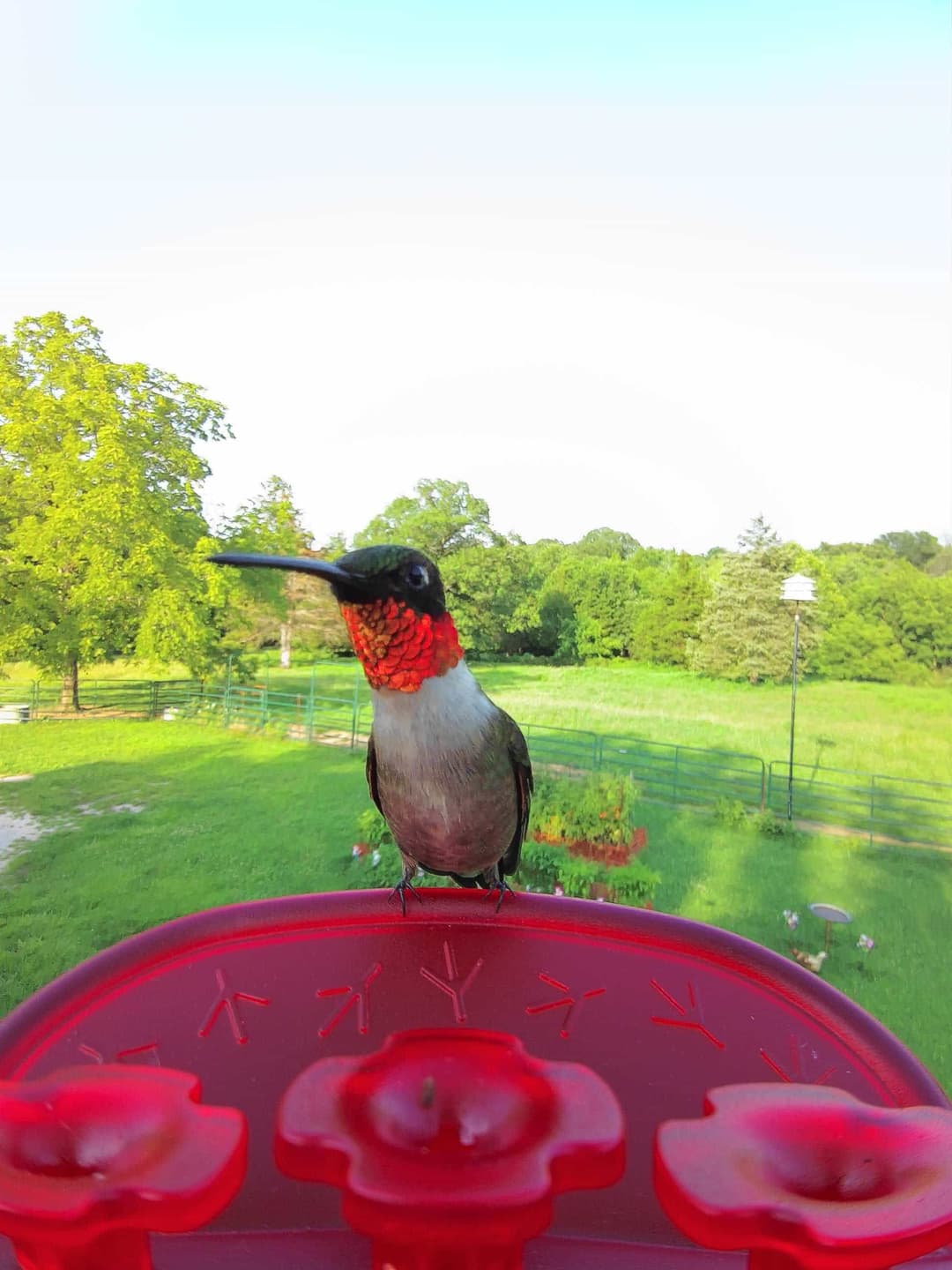
Berylline Hummingbird vs Ruby-Throated Hummingbird
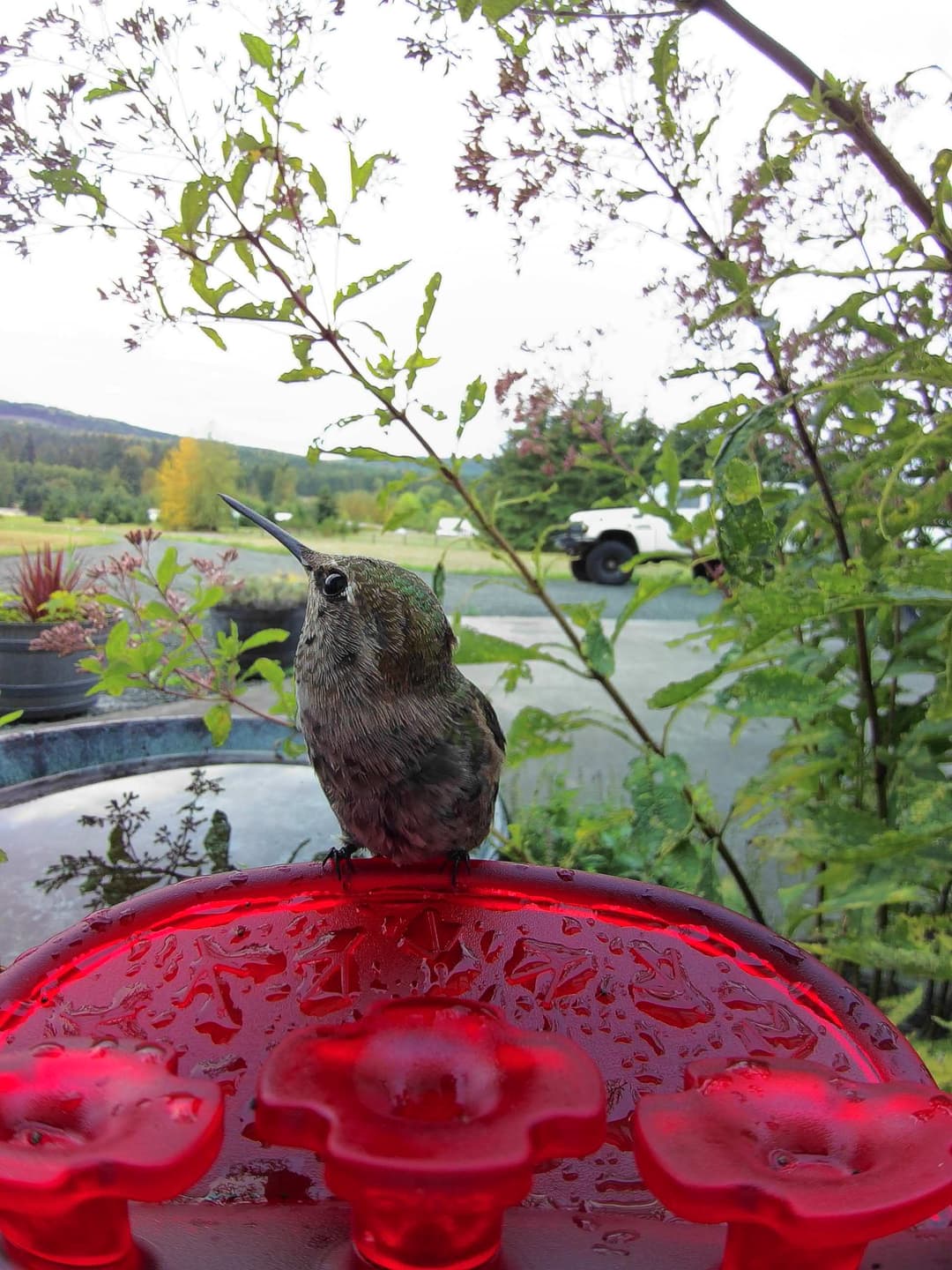
Berylline Hummingbird vs Anna's Hummingbird
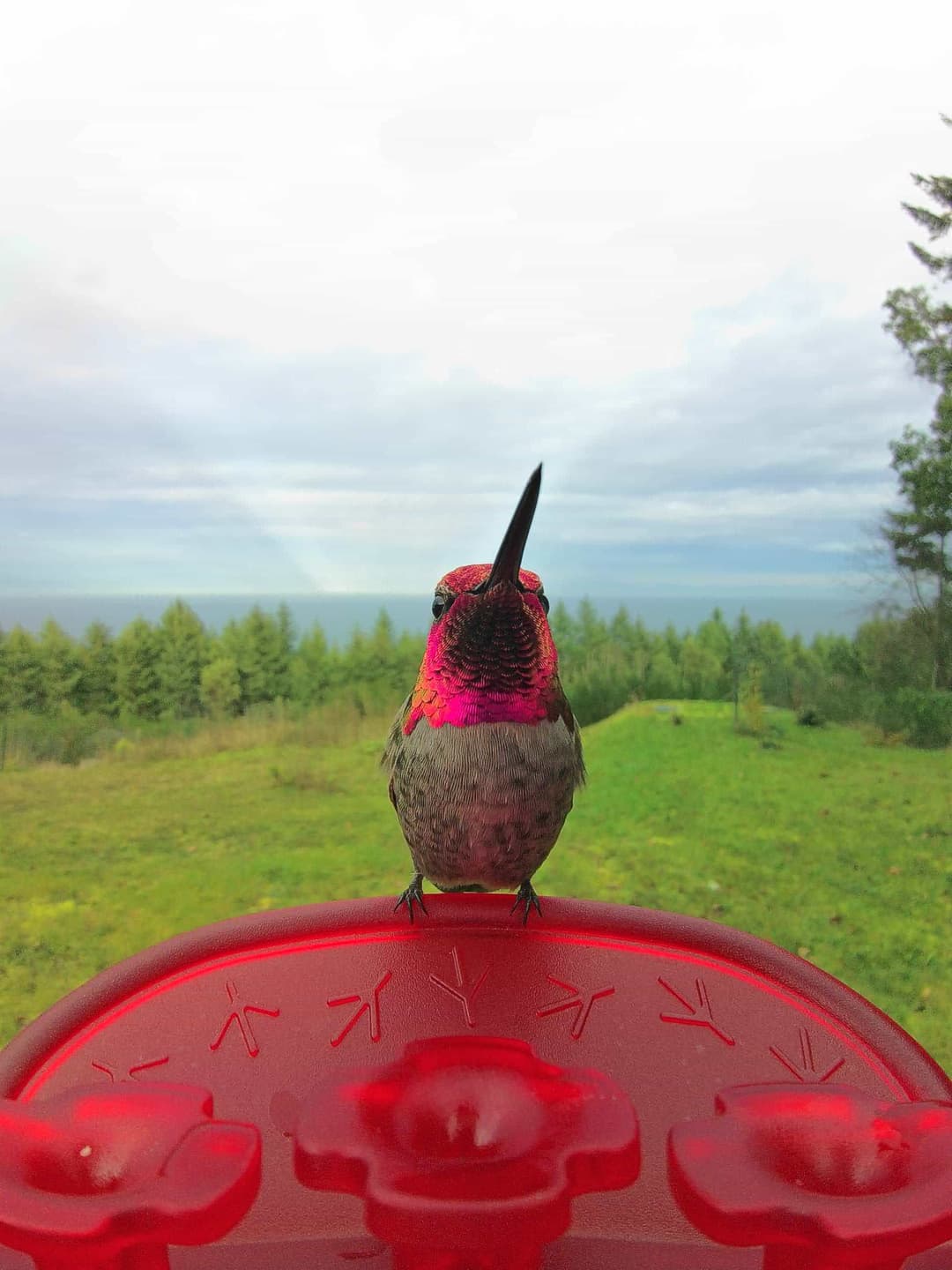
Berylline Hummingbird vs Allen's Hummingbird
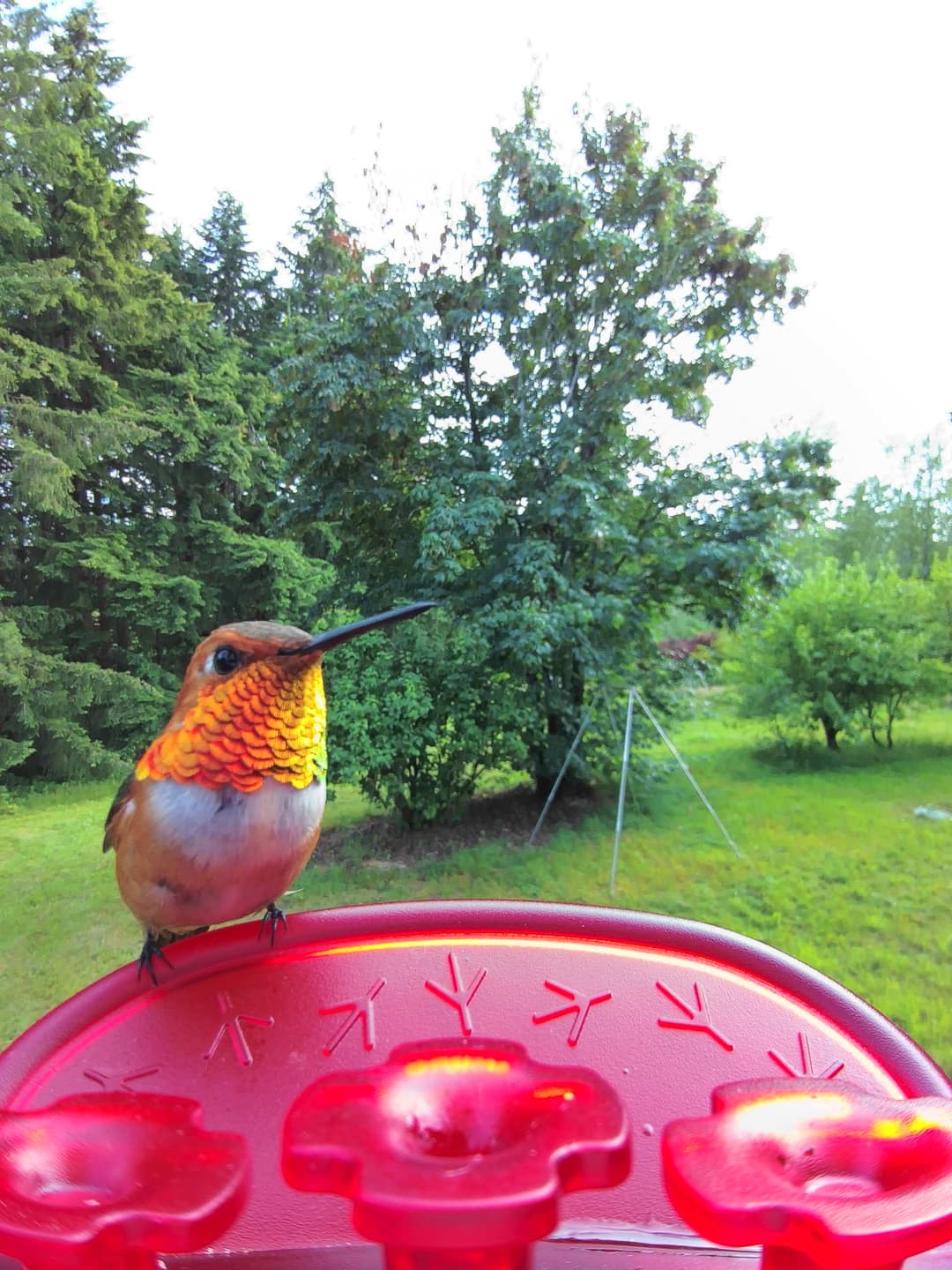
Berylline Hummingbird vs Rufous Hummingbird
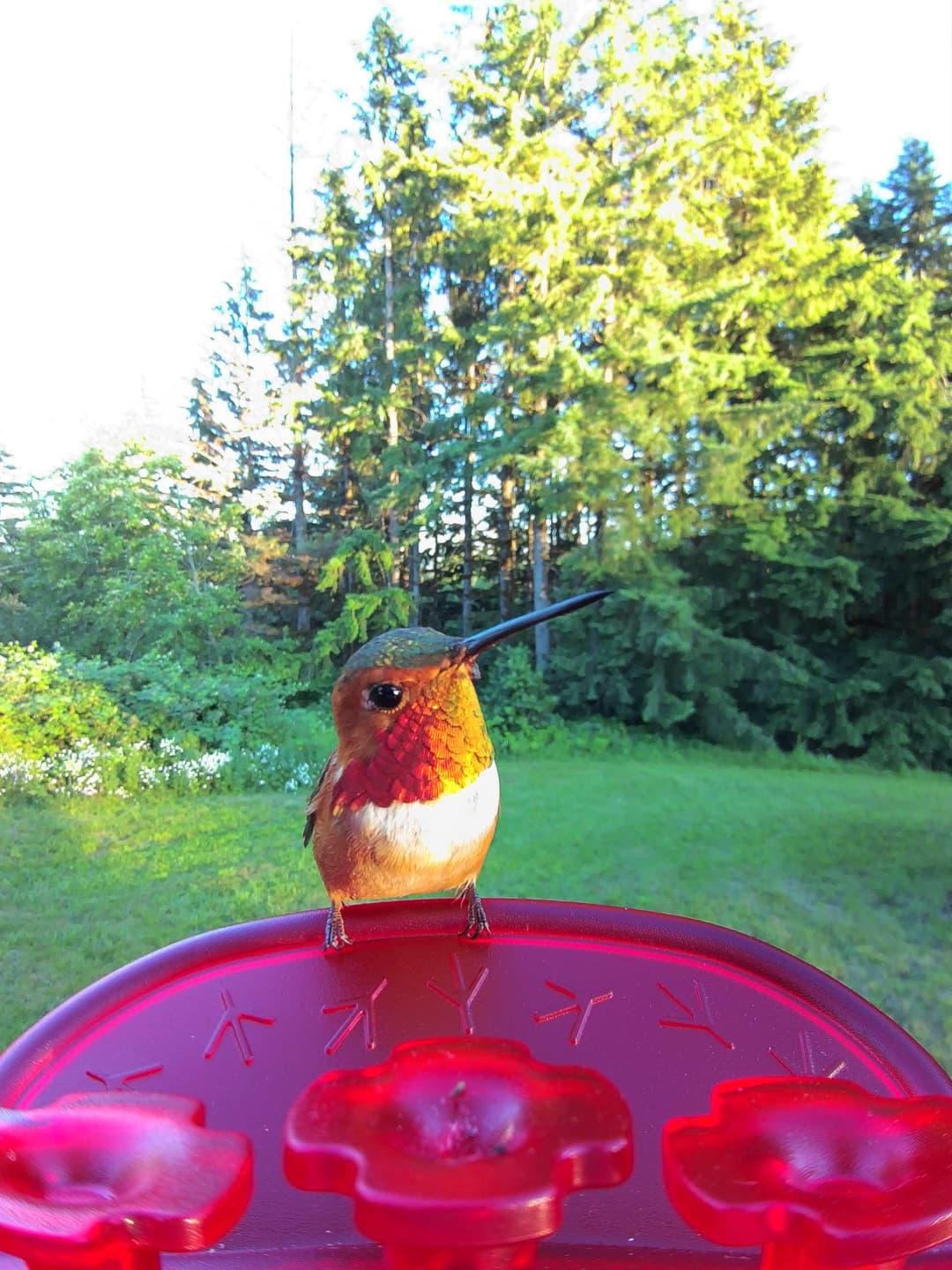
Berylline Hummingbird vs Black-Chinned Hummingbird
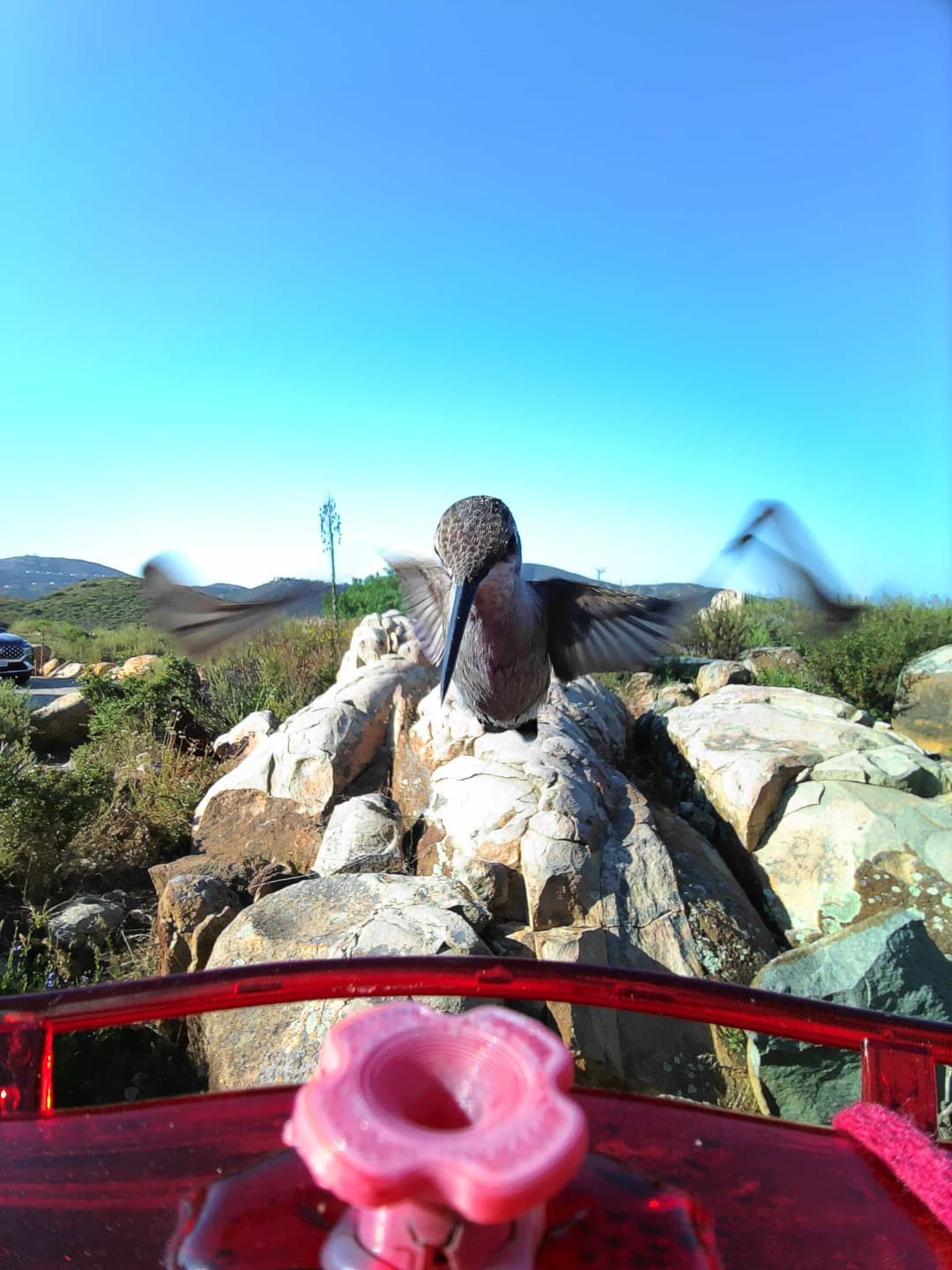
Berylline Hummingbird vs Broad-Billed Hummingbird
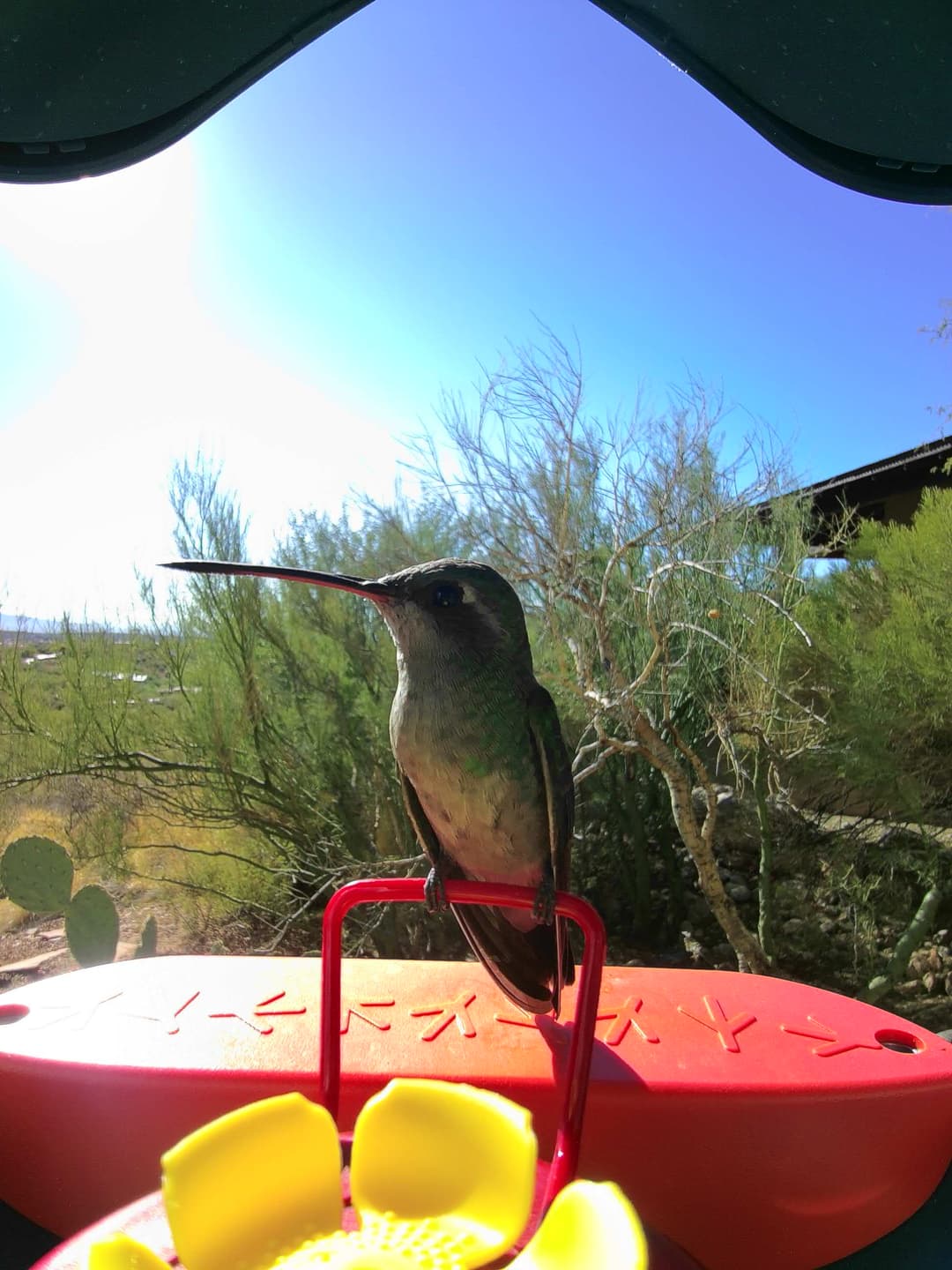
Berylline Hummingbird vs Lucifer Hummingbird
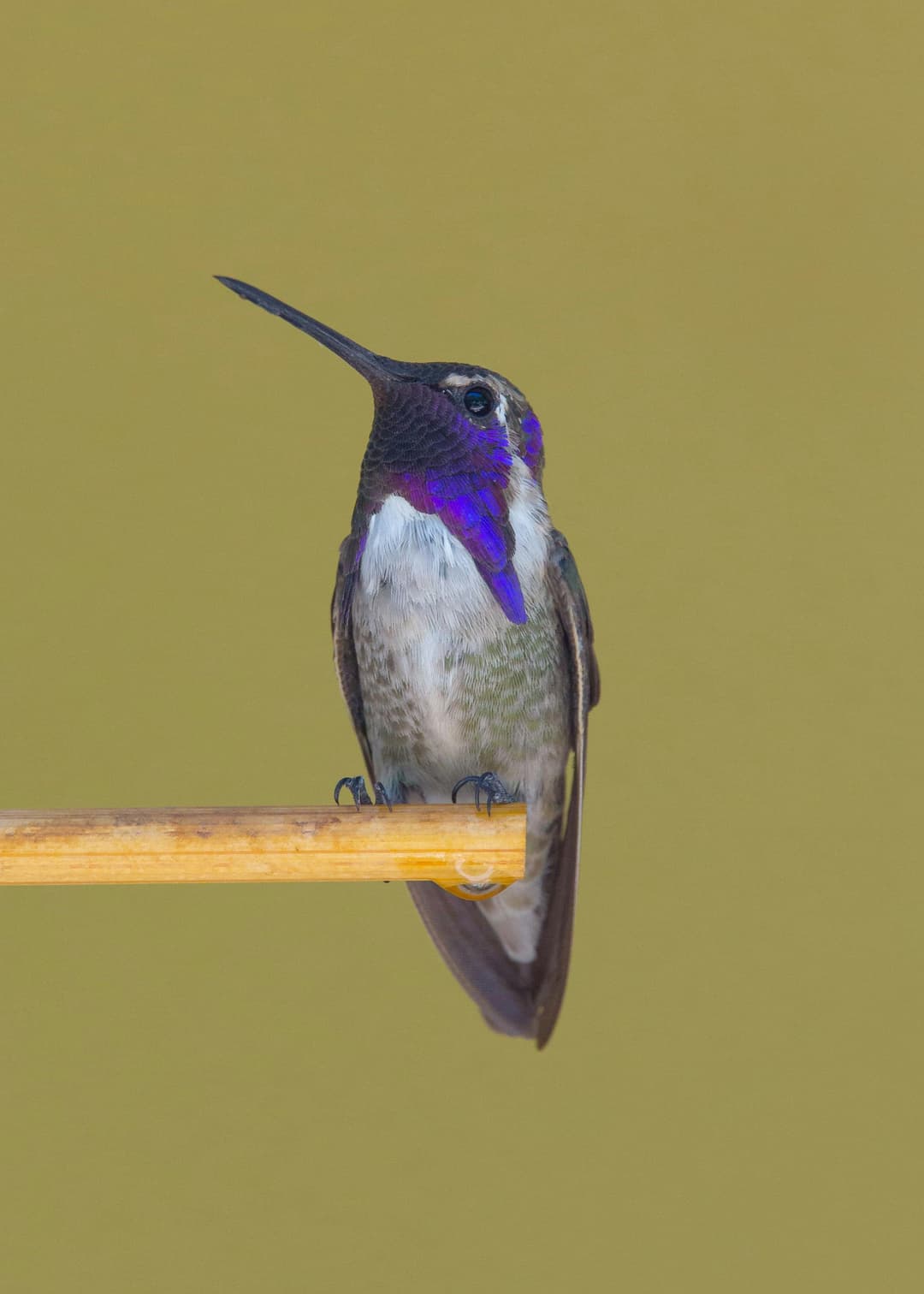
Berylline Hummingbird vs Rivoli's Hummingbird
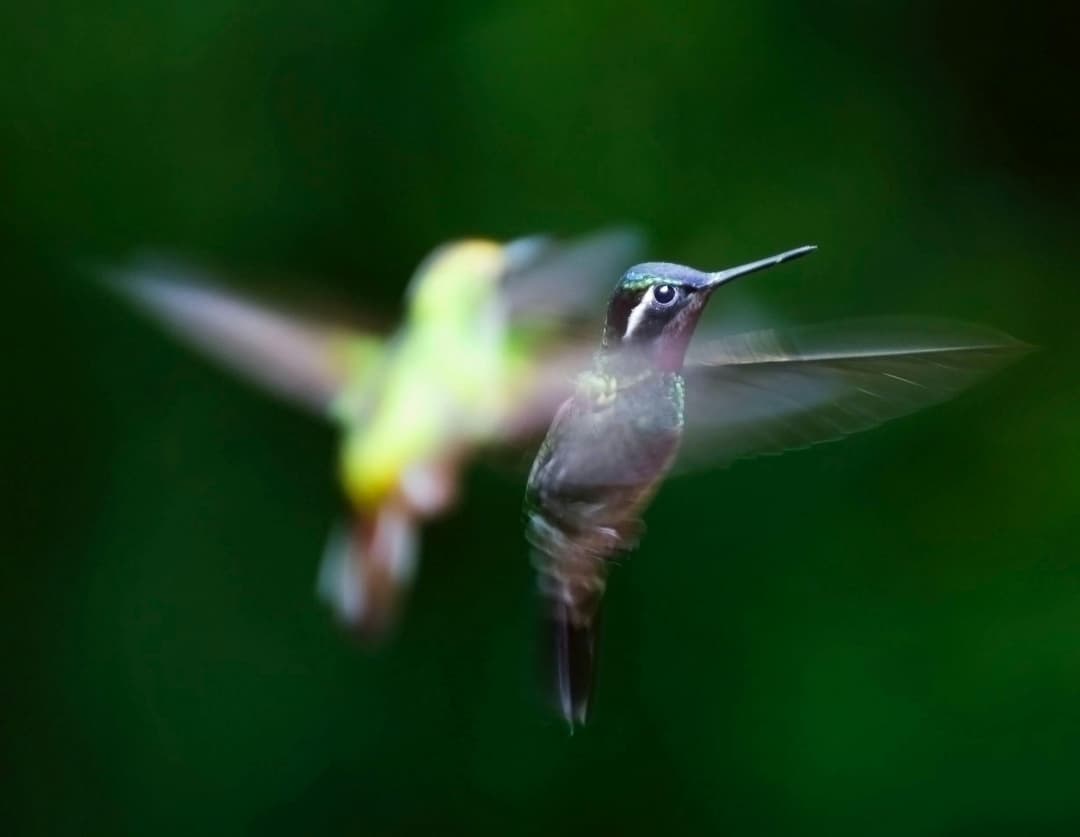
Berylline Hummingbird vs Violet-Crowned Hummingbird
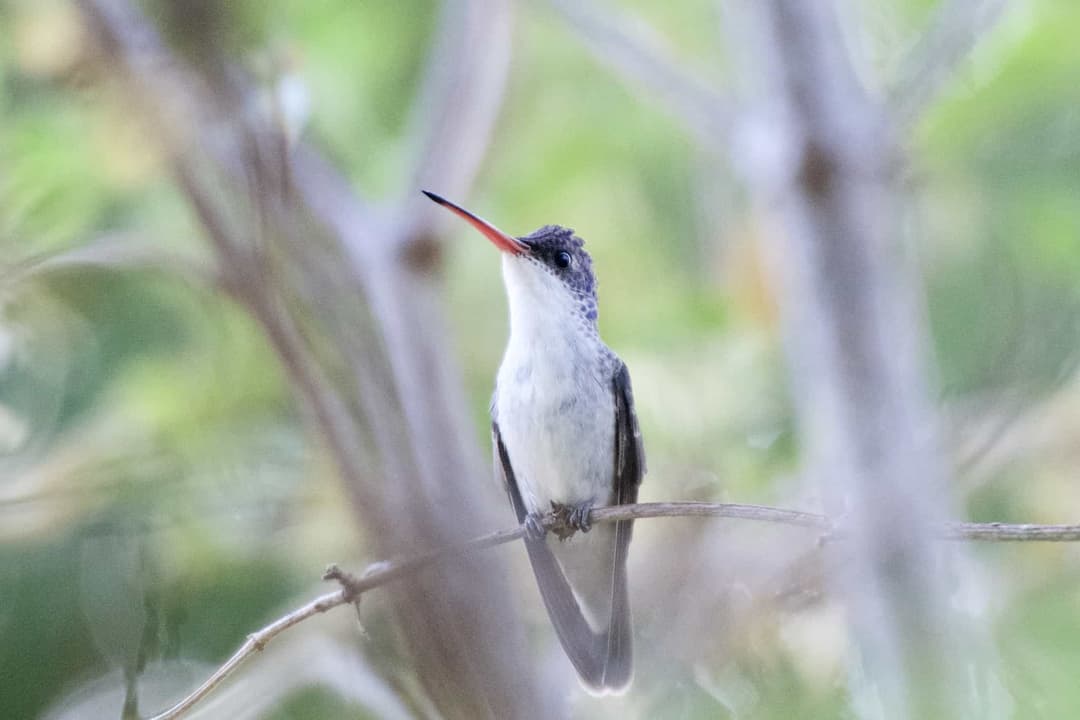
Berylline Hummingbird vs [Select a bird]

[Select a bird]
Pick a bird to compare
Buff-Bellied Hummingbird vs [Select a bird]
[Select a bird]
Pick a bird to compare