Berylline Hummingbird or Broad-Billed Hummingbird?
Here's how to tell the difference
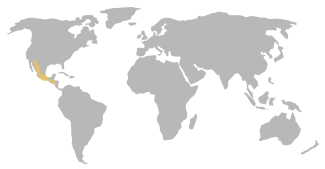


Berylline Hummingbird


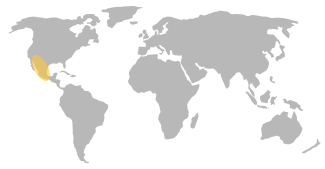
Broad-Billed Hummingbird
Berylline Hummingbird
Saucerottia beryllina
General appearance
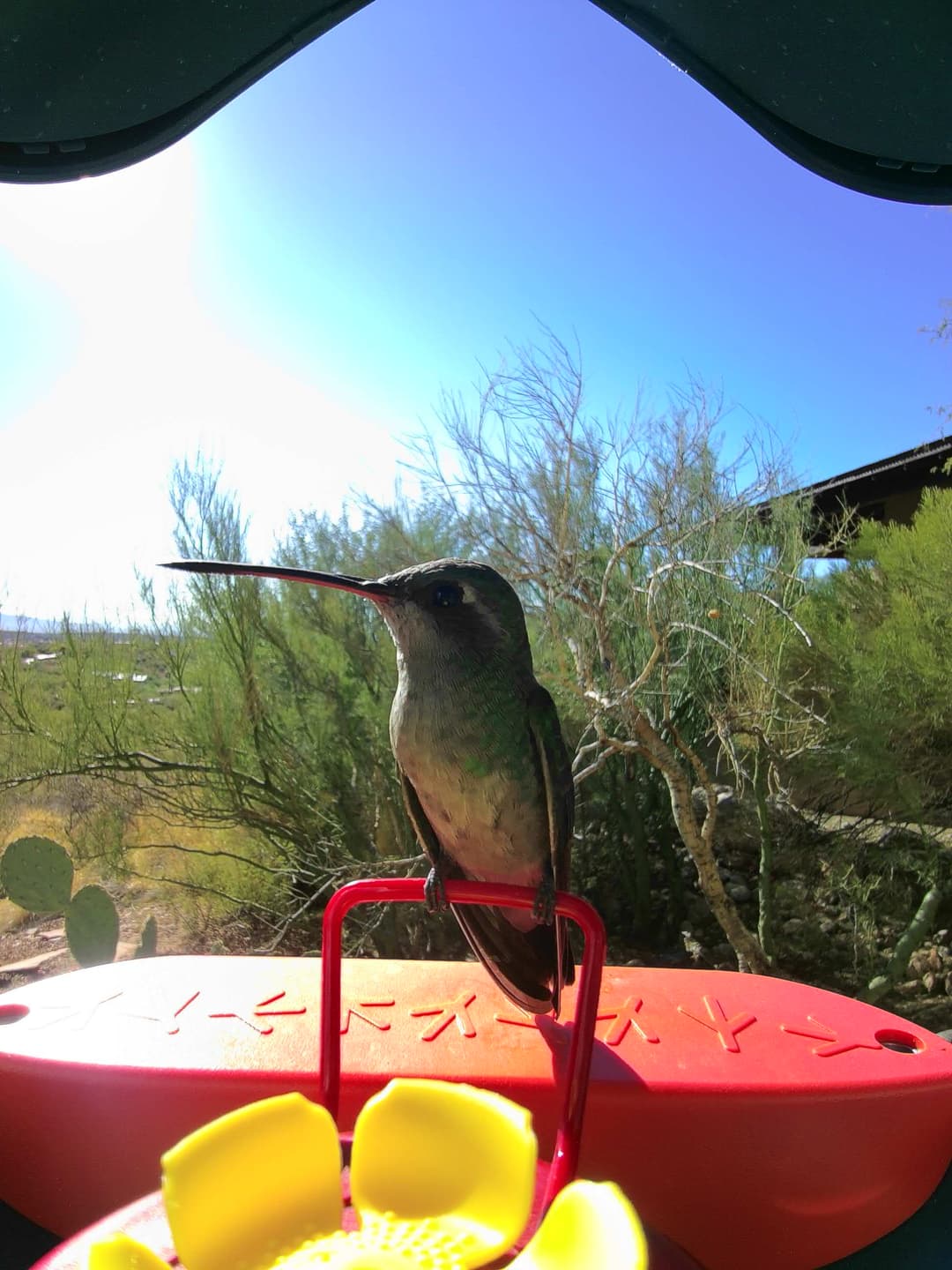
The berylline hummingbird displays a striking combination of vivid colors, primarily characterized by a shimmering green head and body, transitioning into a bronze to reddish-bronze tone on the back and tail. Their small size, typically 8-10 cm in length, and rapid, agile flight are hallmark features that aid in identification.
Male vs female
Males are noted for their bright emerald green plumage throughout, with a more extensive and vibrant reddish-brown coloration on the tail compared to females. Females exhibit more subdued coloration, with a paler underbelly and less intense iridescence. Both sexes possess a slightly decurved, slender black bill, but males have slightly brighter coloration overall.
Juvenile
Juvenile berylline hummingbirds resemble females more closely, with duller green plumage and less iridescent feathers. They typically lack the striking shine of adult plumage and gradually develop more vibrant colors as they mature. In the field, juveniles can be identified by their muted tones and less defined coloration of the tail and back.
Size
3.1 - 3.9 in/0.1 - 0.2 oz
There's more to learn about Berylline Hummingbird
View full detailsBroad-Billed Hummingbird
Cynanthus latirostris
General appearance
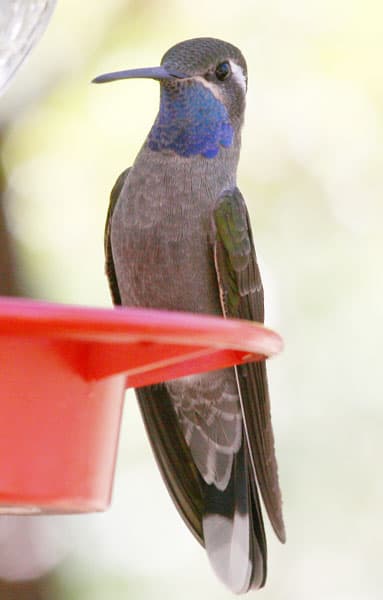
The broad-billed hummingbird is a small, vibrant bird known for its vivid coloration and striking bill. It features a broad, red bill with a dark tip, making it easily recognizable. The plumage showcases brilliant emerald green coloration that shimmers in sunlight, complemented by a bluish throat.
Male vs female
Males possess more vivid plumage compared to females, with a noticeable bright blue throat and shimmering green body. Females are less colorful, often displaying a duller green back and a white or greyish throat. Both sexes have the characteristic red bill, although females may exhibit a slightly shorter and less intensely colored beak.
Juvenile
Juvenile broad-billed hummingbirds typically exhibit a duller version of the adults’ plumage. They often lack the vivid blue throats seen in adult males and can display a grey or buff-colored throat. Identifying juveniles in the wild can be challenging due to their resemblance to females, with a less developed, muted color palette.
Size
3.1 - 3.9 in/0.1 oz
There's more to learn about Broad-Billed Hummingbird
View full detailsHow to tell the Berylline Hummingbird from the Broad-Billed Hummingbird
Visual differences
The Berylline Hummingbird (3.1-3.9 in, 0.14-0.16 oz) features a shimmering green head, bronze to reddish-bronze back and tail, with a slender, slightly decurved black bill. Males have more vivid coloration. The Broad-Billed Hummingbird (3.1-3.9 in, 0.07-0.14 oz) has a brilliant emerald body, bluish throat, and a distinctive broad red bill with a dark tip. Males exhibit brighter blue throats. While both display vibrant green plumage, the Berylline's reddish tones and the Broad-Billed's red bill are key differences.
Key differences and behavior
The Berylline Hummingbird and Broad-Billed Hummingbird share some behavioral traits but differ in key areas. Berylline Hummingbirds are notably aggressive and often dominate feeding areas, whereas Broad-Billed Hummingbirds, though territorial, tend to defend by perching rather than aggressive displays. Berylline Hummingbirds inhabit mountain forests at higher elevations (5,000-7,000 feet) with a preference for open pine-oak woods, while Broad-Billed Hummingbirds prefer lower altitudes (3,000-5,000 feet) in semi-open habitats like streamside groves. Both species feed on nectar and small insects, though Broad-Billed Hummingbirds favor red or orange tubular flowers. During breeding, Berylline Hummingbirds are known for their vocal courtship displays, while Broad-Billed Hummingbirds use song sparingly for territory defense. Both species’ females are solely responsible for nest-building and chick-rearing.
Still not sure? Here are more lookalikes!
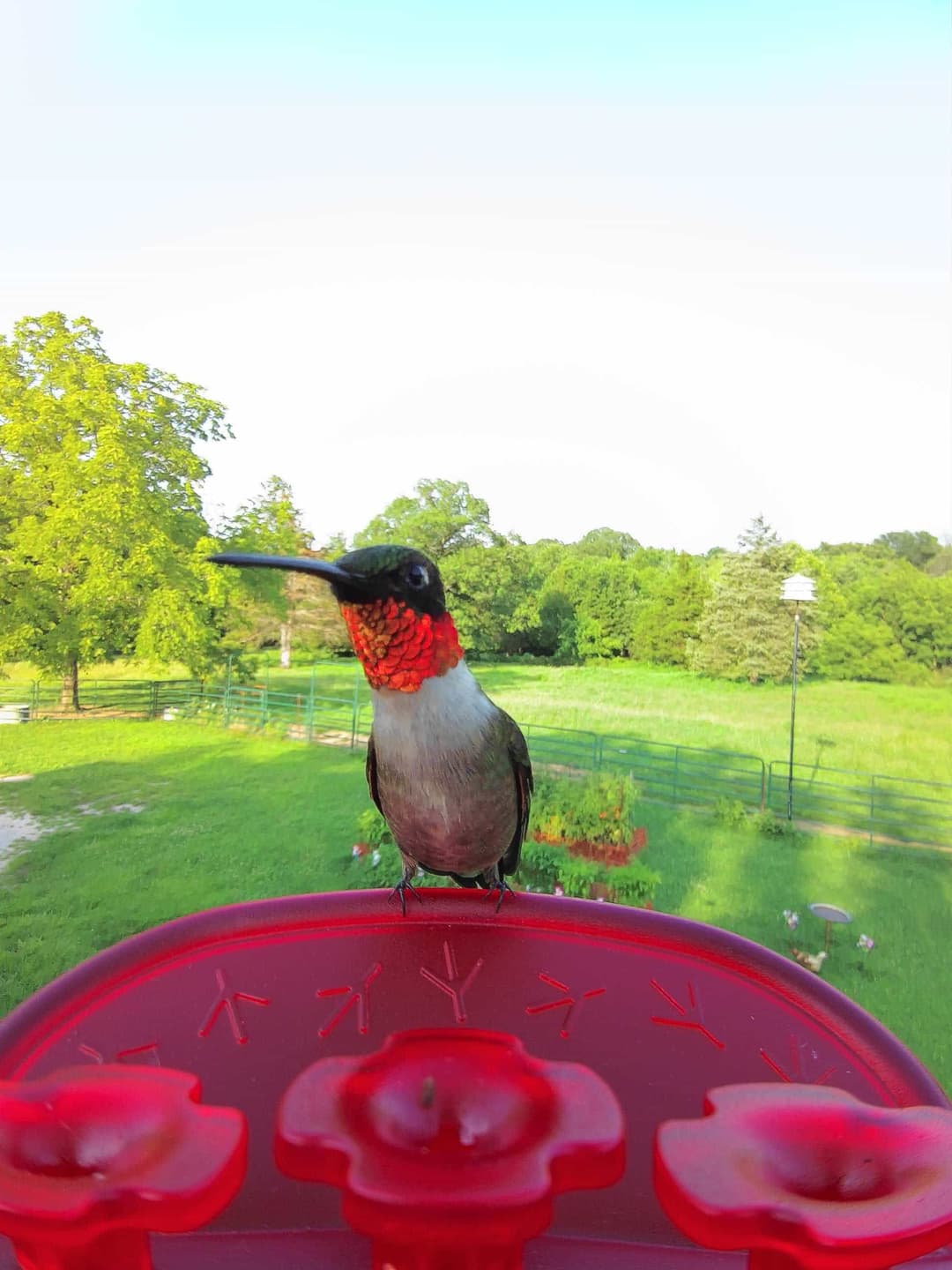
Berylline Hummingbird vs Ruby-Throated Hummingbird
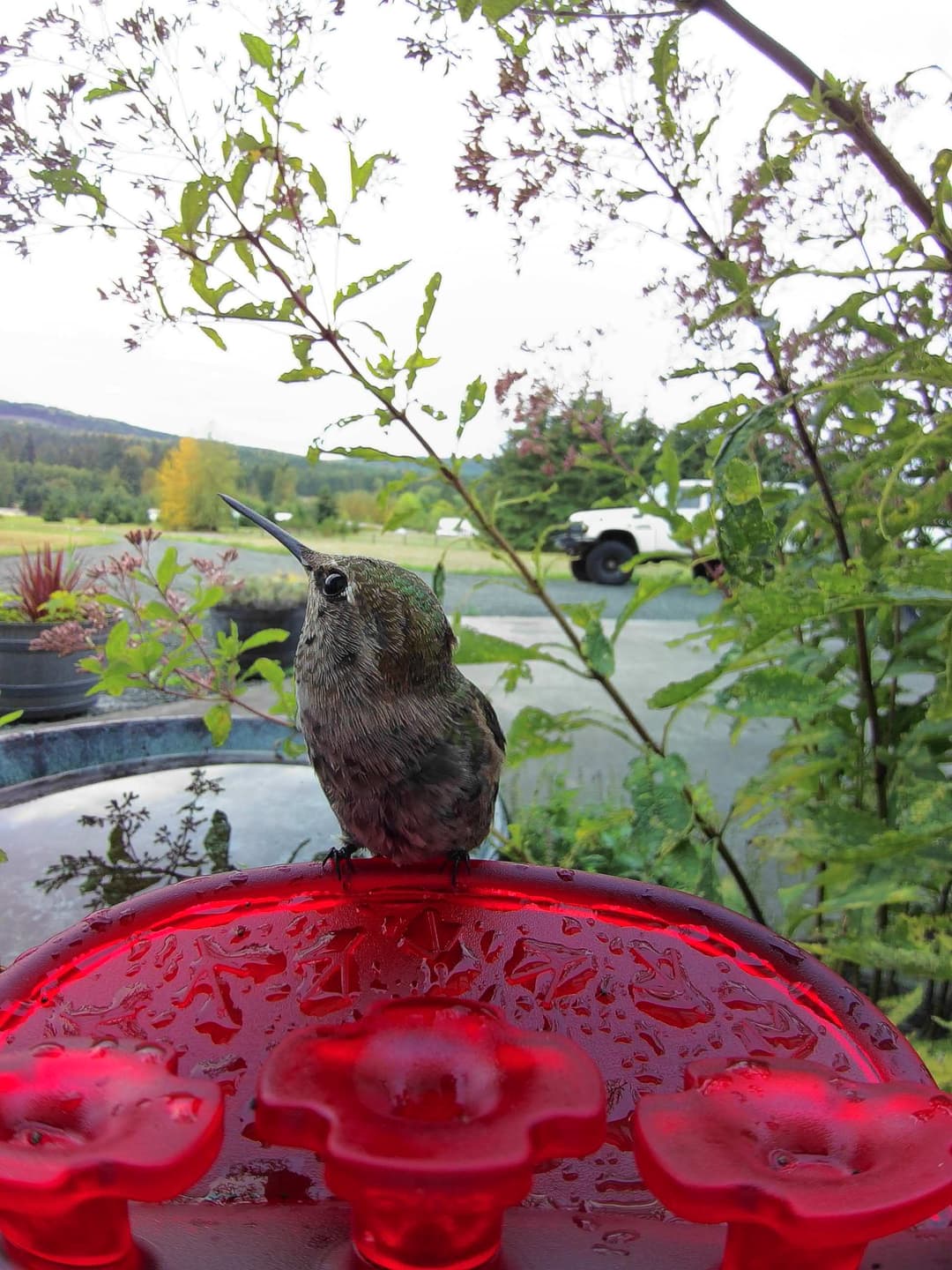
Berylline Hummingbird vs Anna's Hummingbird
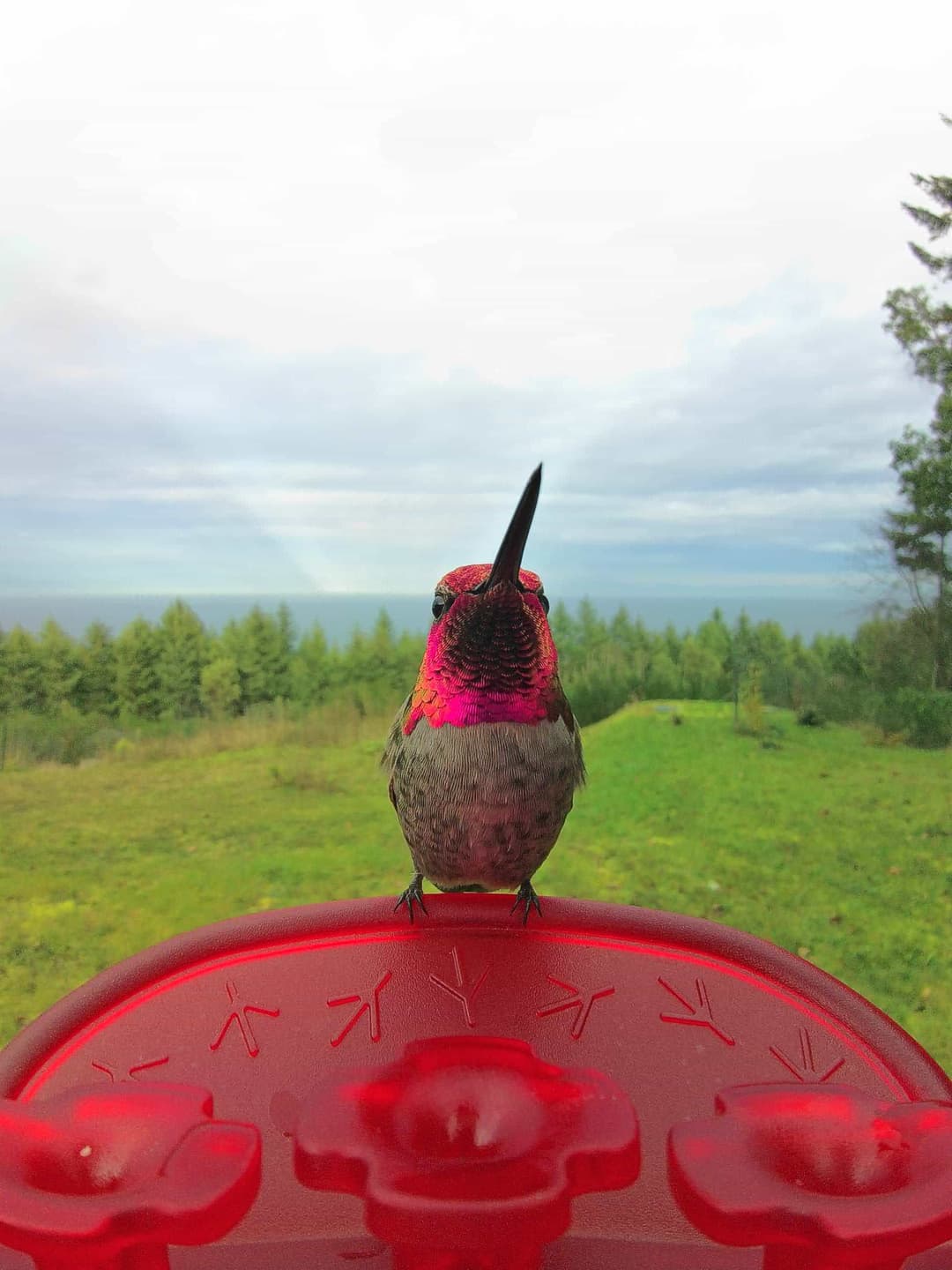
Berylline Hummingbird vs Allen's Hummingbird
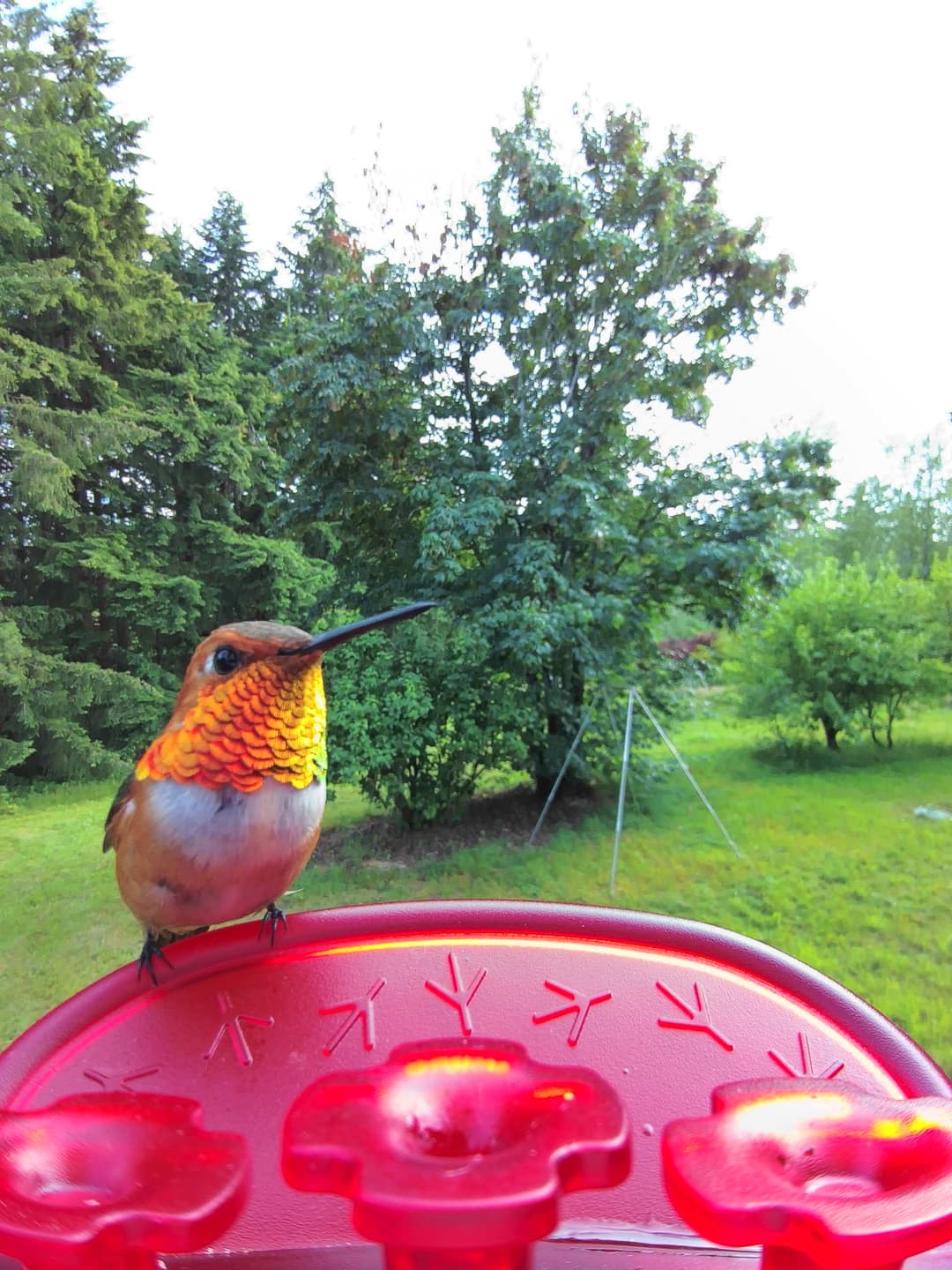
Berylline Hummingbird vs Rufous Hummingbird
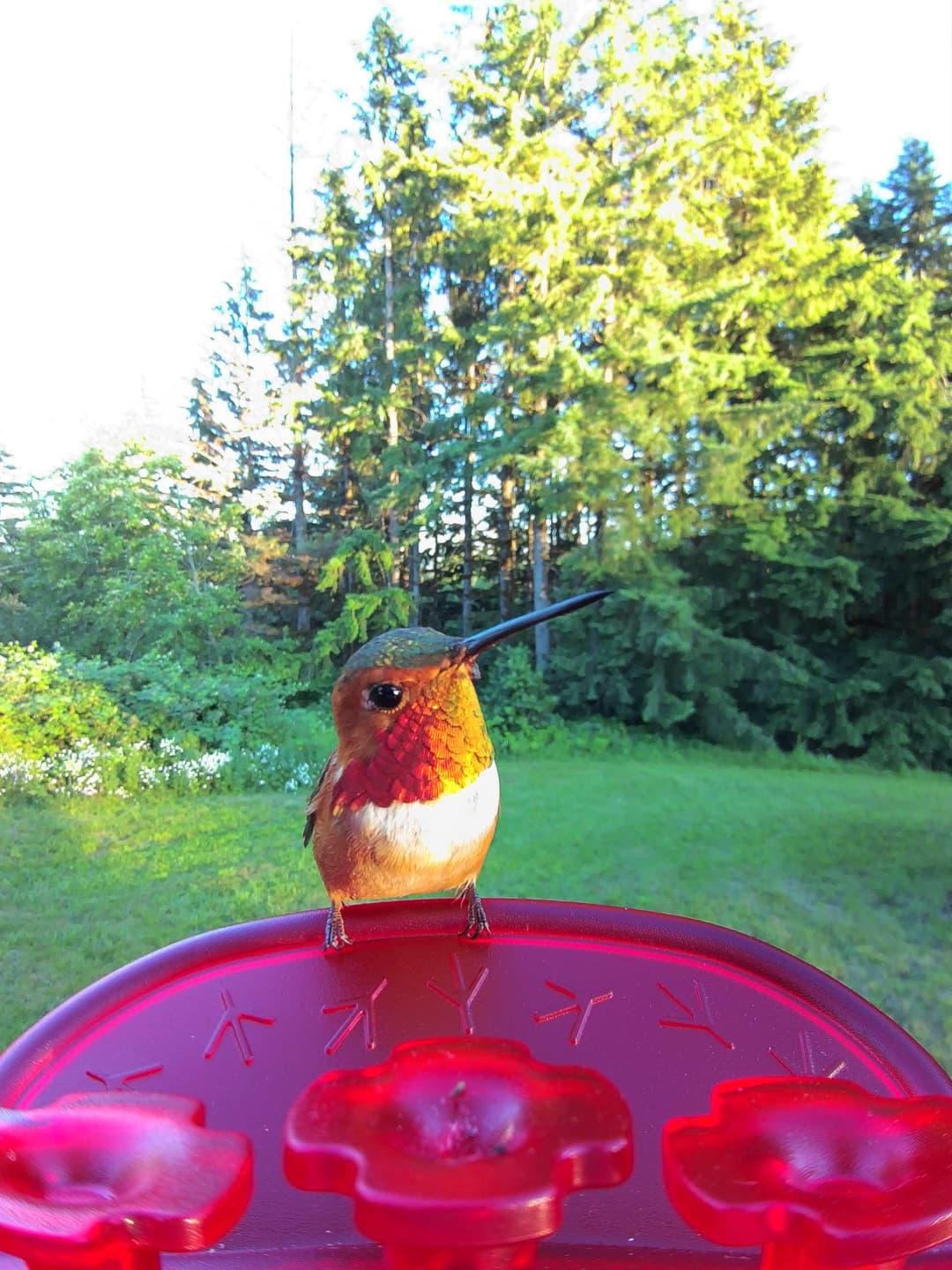
Berylline Hummingbird vs Black-Chinned Hummingbird
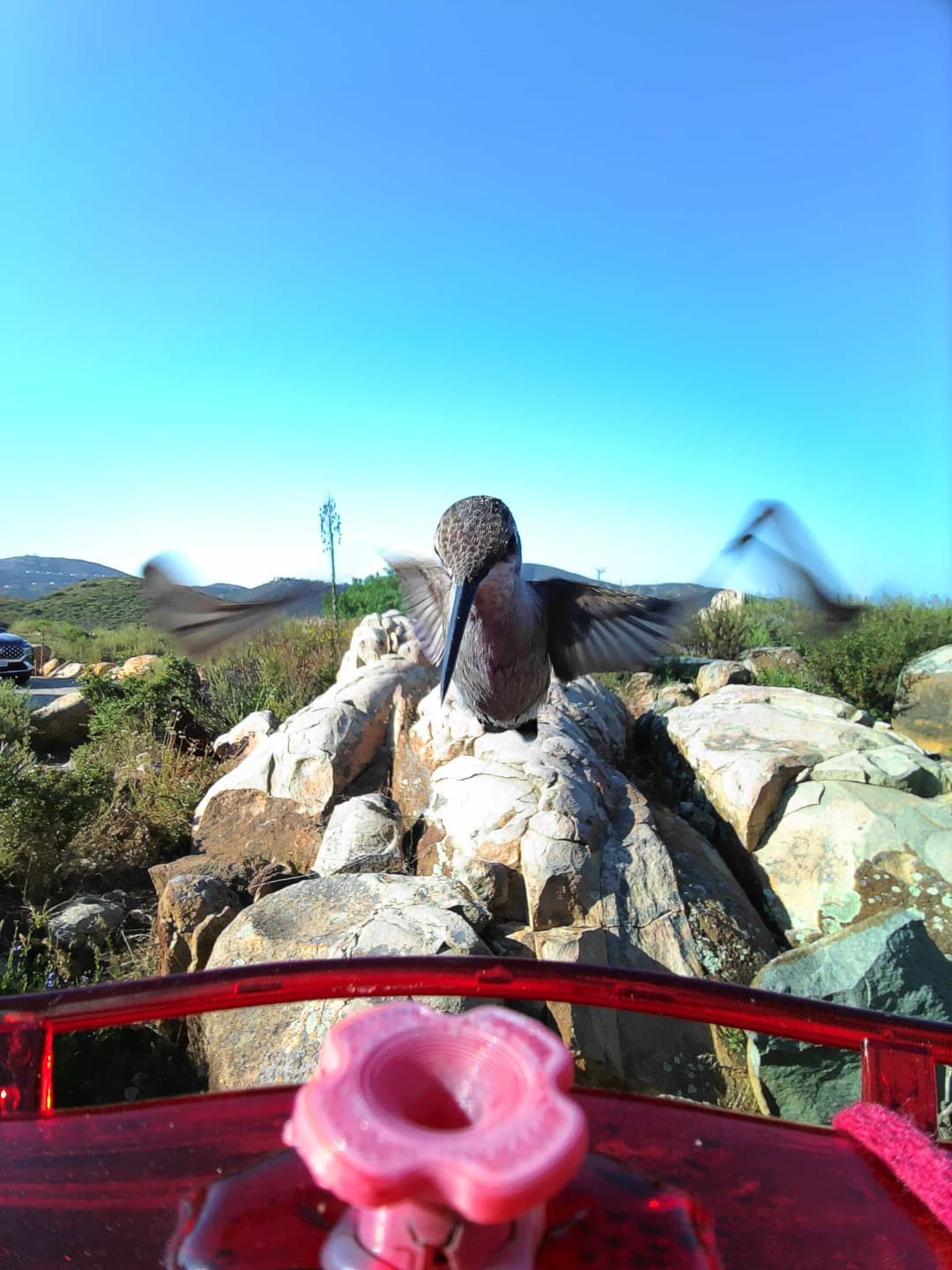
Berylline Hummingbird vs Buff-Bellied Hummingbird
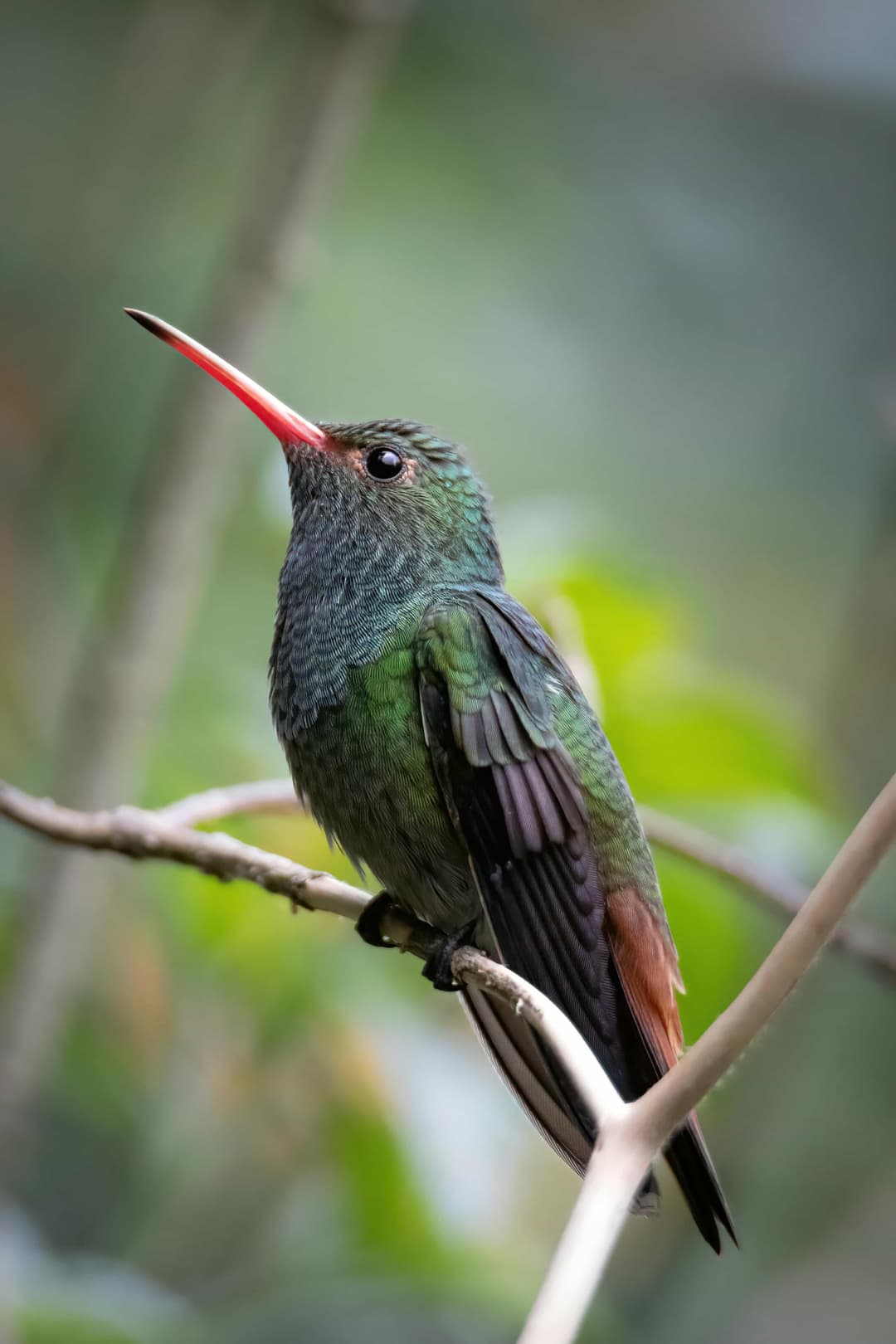
Berylline Hummingbird vs Lucifer Hummingbird
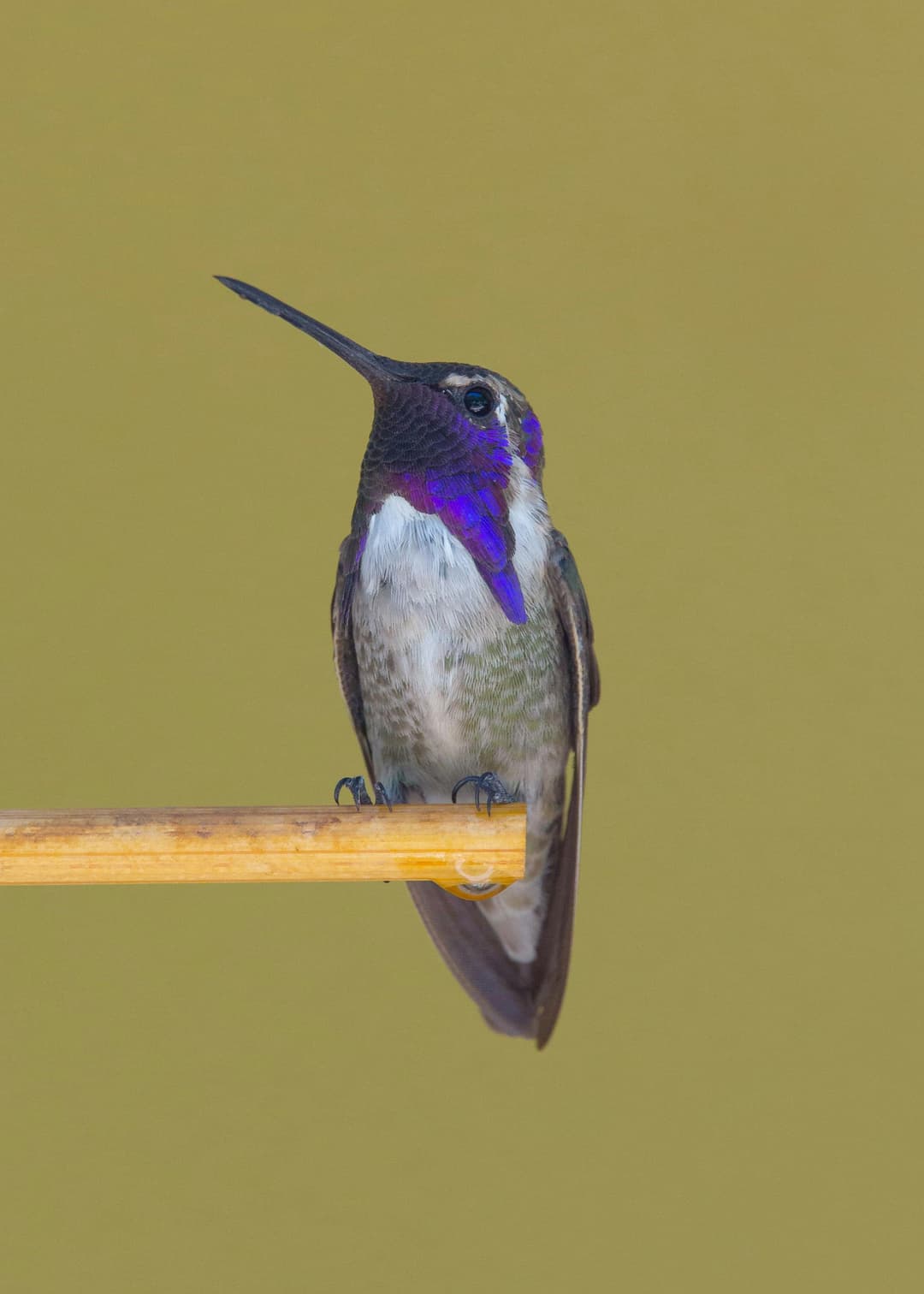
Berylline Hummingbird vs Rivoli's Hummingbird
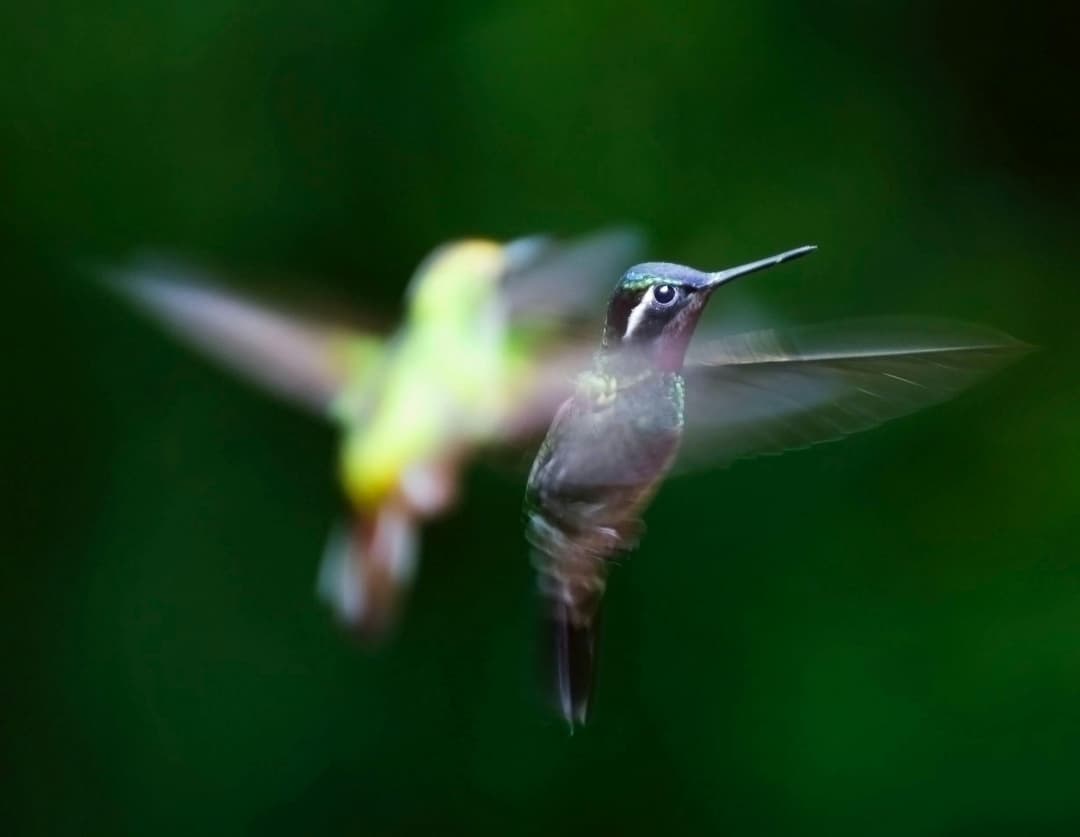
Berylline Hummingbird vs Violet-Crowned Hummingbird
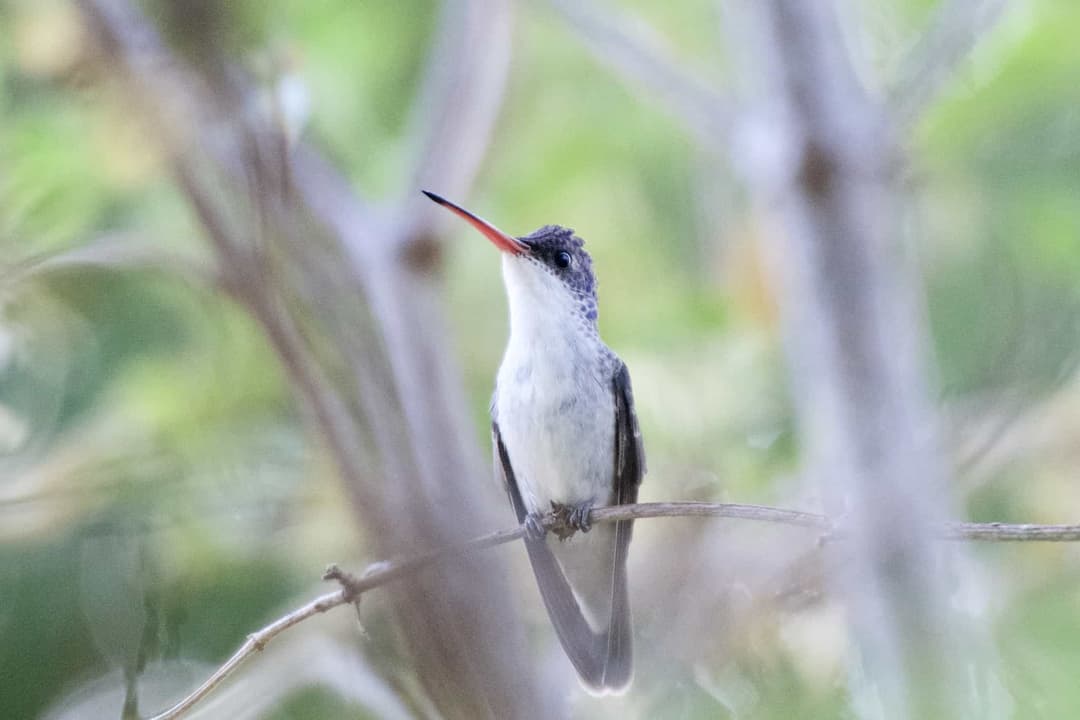
Broad-Billed Hummingbird vs Blue-Throated Mountain-Gem
Berylline Hummingbird vs [Select a bird]

[Select a bird]
Pick a bird to compare
Broad-Billed Hummingbird vs [Select a bird]
[Select a bird]
Pick a bird to compare