Berylline Hummingbird or Anna's Hummingbird?
Here's how to tell the difference
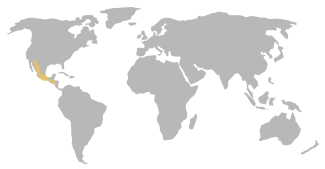


Berylline Hummingbird


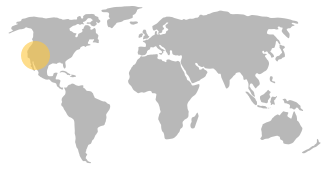
Anna's Hummingbird
Berylline Hummingbird
Saucerottia beryllina
General appearance
The berylline hummingbird displays a striking combination of vivid colors, primarily characterized by a shimmering green head and body, transitioning into a bronze to reddish-bronze tone on the back and tail. Their small size, typically 8-10 cm in length, and rapid, agile flight are hallmark features that aid in identification.
Male vs female
Males are noted for their bright emerald green plumage throughout, with a more extensive and vibrant reddish-brown coloration on the tail compared to females. Females exhibit more subdued coloration, with a paler underbelly and less intense iridescence. Both sexes possess a slightly decurved, slender black bill, but males have slightly brighter coloration overall.
Juvenile
Juvenile berylline hummingbirds resemble females more closely, with duller green plumage and less iridescent feathers. They typically lack the striking shine of adult plumage and gradually develop more vibrant colors as they mature. In the field, juveniles can be identified by their muted tones and less defined coloration of the tail and back.
Size
3.1 - 3.9 in/0.1 - 0.2 oz
There's more to learn about Berylline Hummingbird
View full detailsAnna's Hummingbird
Calypte anna
General appearance
Feast your eyes on Anna's hummingbirds! These radiant beauties are a vibrant combination of elegant form and stunning color. Their body is adorned with green and grey shades, offering a subtle yet captivating sight. The lower body beams with a light grey-white color, balancing the otherwise rich tones. Despite their relatively small size of about 9cm, they own their presence, darting daringly through the skies.
Male vs female
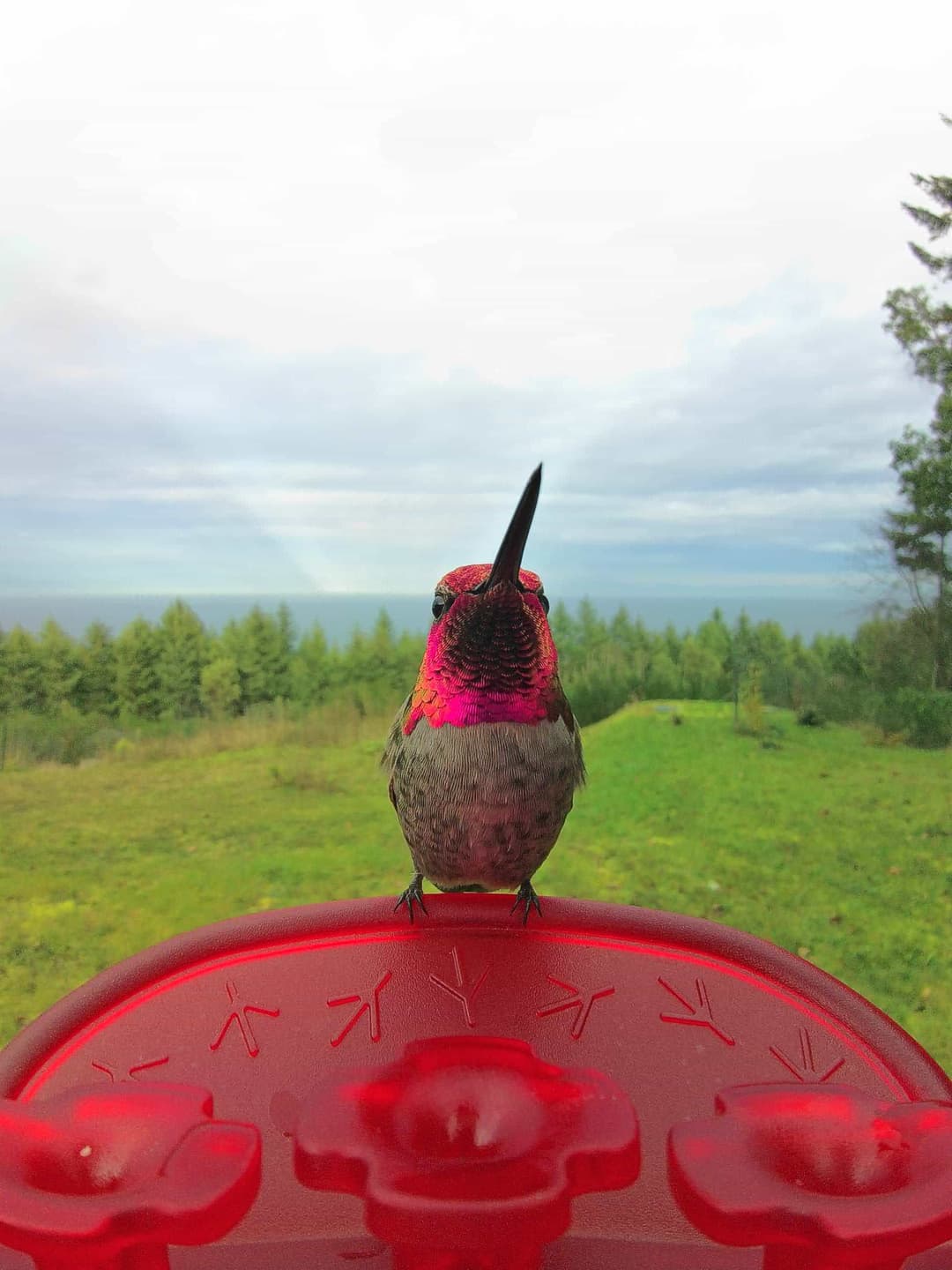
Males and females of Anna's hummingbirds showcase a delightful color variation. The males steal the spotlight with their breath-taking iridescent crimson-red crowns and throats, shimmering brilliantly in direct sunlight. Their back is metallic green, a perfect contrast to their radiant front. The ladies, on the other hand, adorn a more modest attire of green on top and greyish white underneath. Some females may display a subtle touch of red marking on their throat, adding a dash of secret charm.
Juvenile
The juveniles initially mirror the females in coloration carrying the green-grey theme. But as they grow, the young male Anna's hummingbirds start developing their glamorous red feathers that herald their entry into adulthood. A hint of this transformation is their first indicator of age. Regardless of age, the Anna's hummingbirds keep their vibrant energy, embodying the spirit of free flight throughout their life!
Size
3.7 - 4.1 in/0.1 - 0.2 oz
There's more to learn about Anna's Hummingbird
View full detailsHow to tell the Berylline Hummingbird from the Anna's Hummingbird
Visual differences
The Berylline Hummingbird (3.1-3.9 in) features a shimmering green head, body, and a bronze to reddish-bronze back and tail. In contrast, Anna's Hummingbird (3.7-4.1 in) exhibits a metallic green back and grey-white lower body with males displaying iridescent crimson-red crowns and throats. While both have slender black bills, Berylline Hummingbirds have a slightly decurved shape. These unique color patterns and size provide key visual distinctions for identification.
Key differences and behavior
Berylline and Anna's hummingbirds display distinctive behaviors and preferences. Berylline hummingbirds, found in mountains and canyons, are known for their dominantly aggressive nature, often taking top positions at flowers with their vocalizations and feisty behavior. In contrast, Anna's hummingbirds, common in gardens and lowlands, perform impressive 12-second dive displays during courtship, showcasing their vibrant energy and aerial agility. Berylline hummingbirds primarily inhabit mountainous regions, while Anna's hummingbirds adapt to various biomes, including urban areas. Both species share a similar diet of nectar and insects, favoring sugar-water at feeders. Berylline hummingbirds nest during summer rains, while Anna's begin as early as December, with unique courtship displays for females in flight.
Still not sure? Here are more lookalikes!
Berylline Hummingbird vs Ruby-Throated Hummingbird
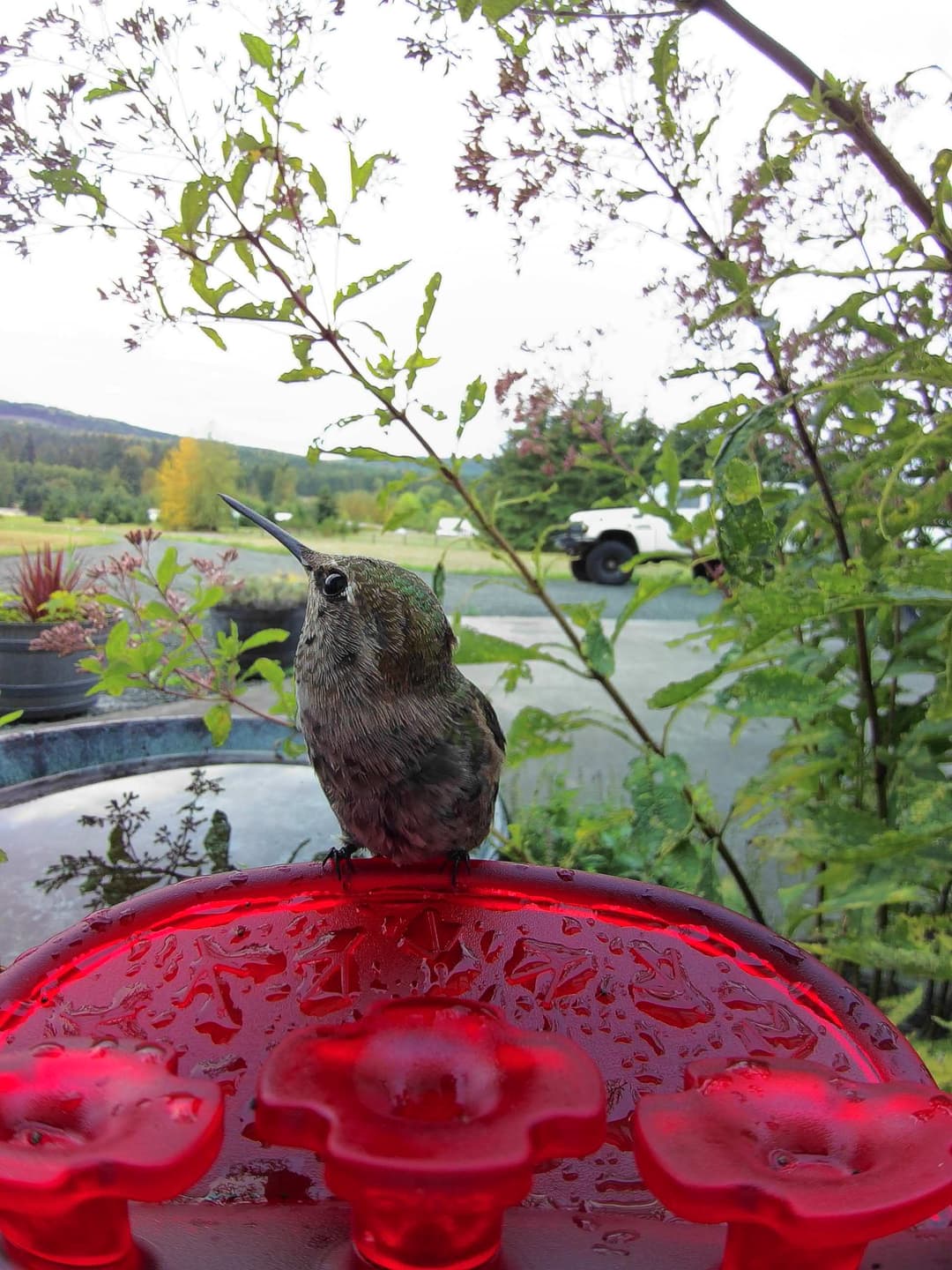
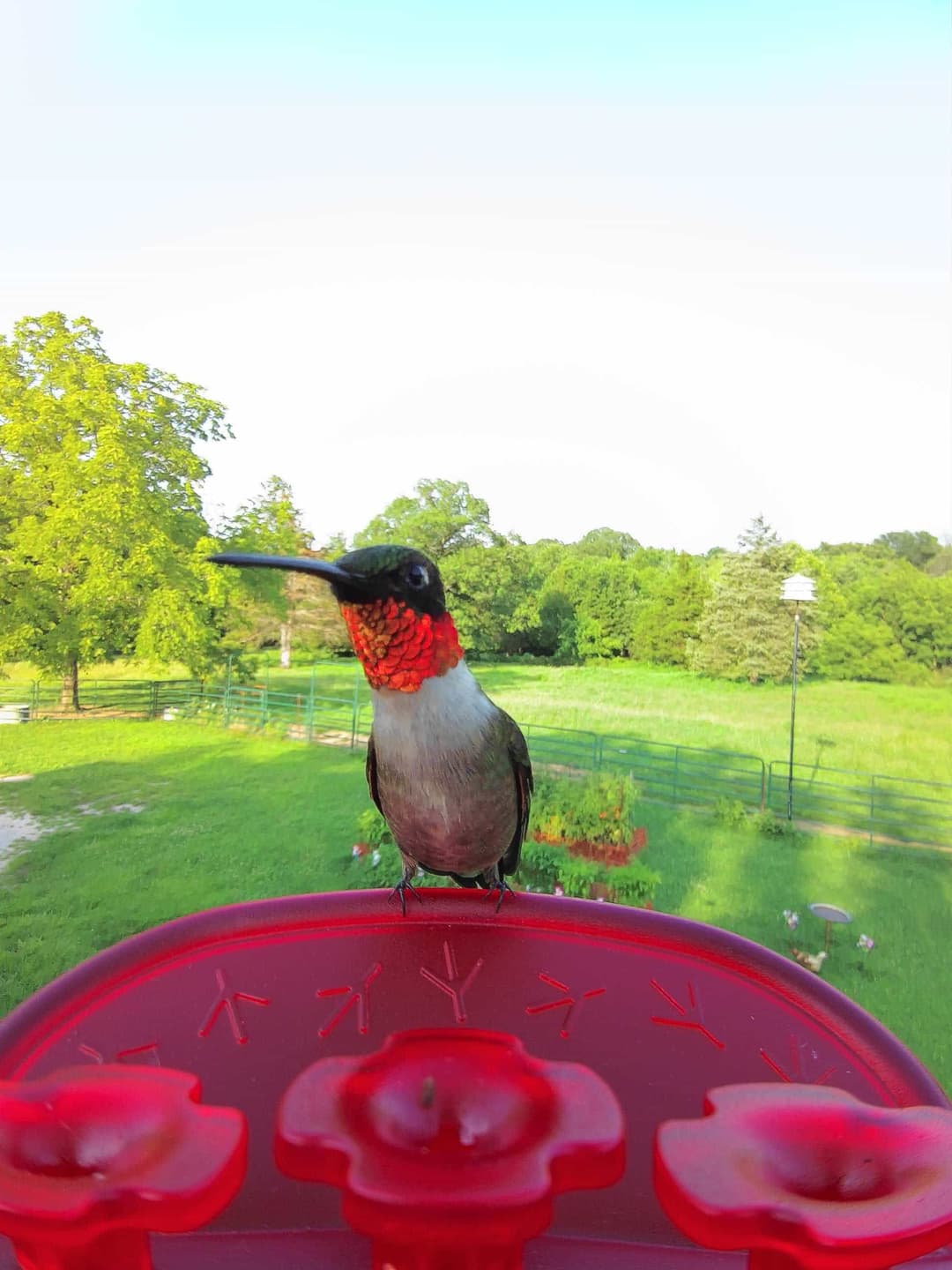
Berylline Hummingbird vs Allen's Hummingbird
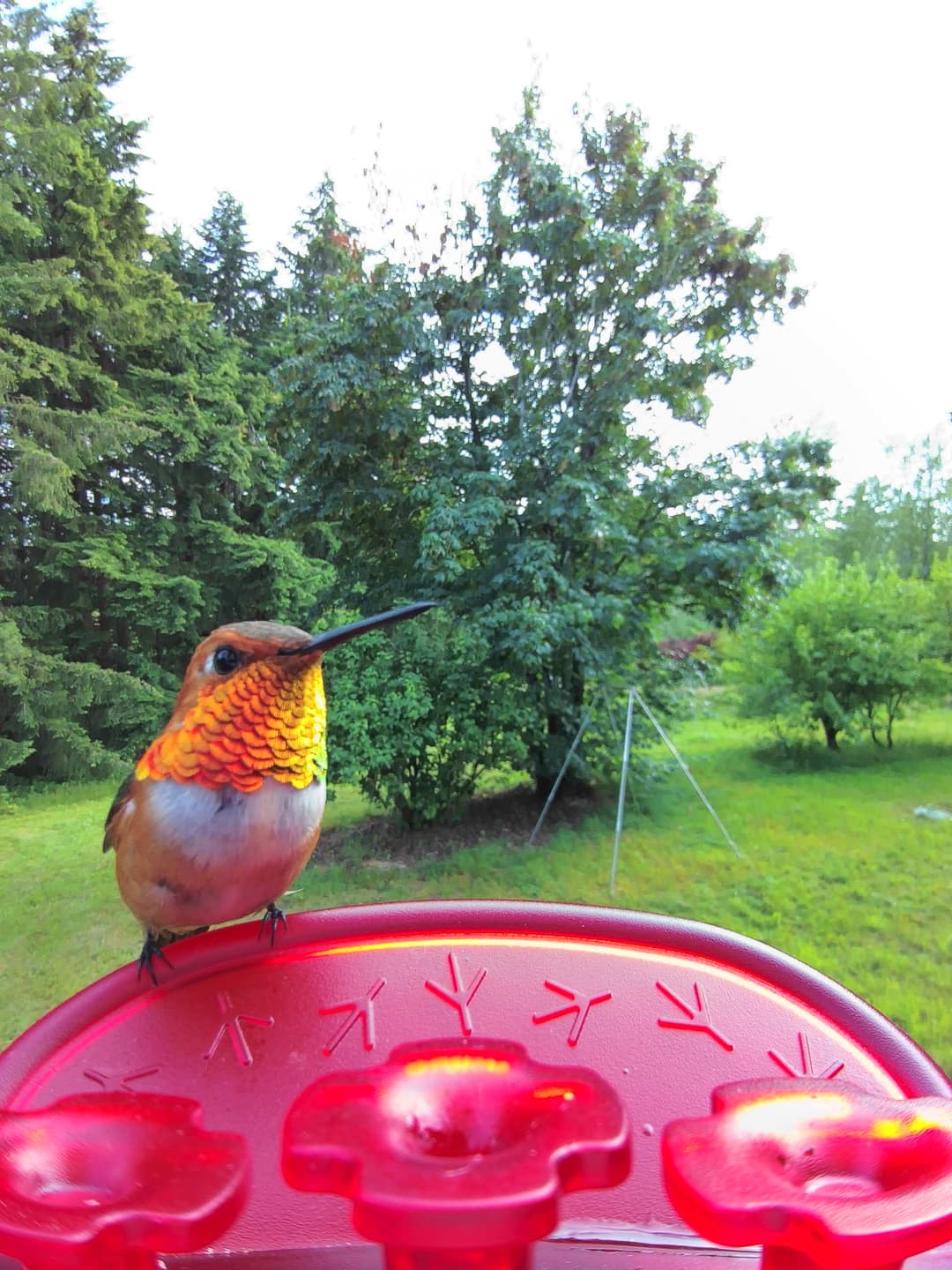
Berylline Hummingbird vs Rufous Hummingbird
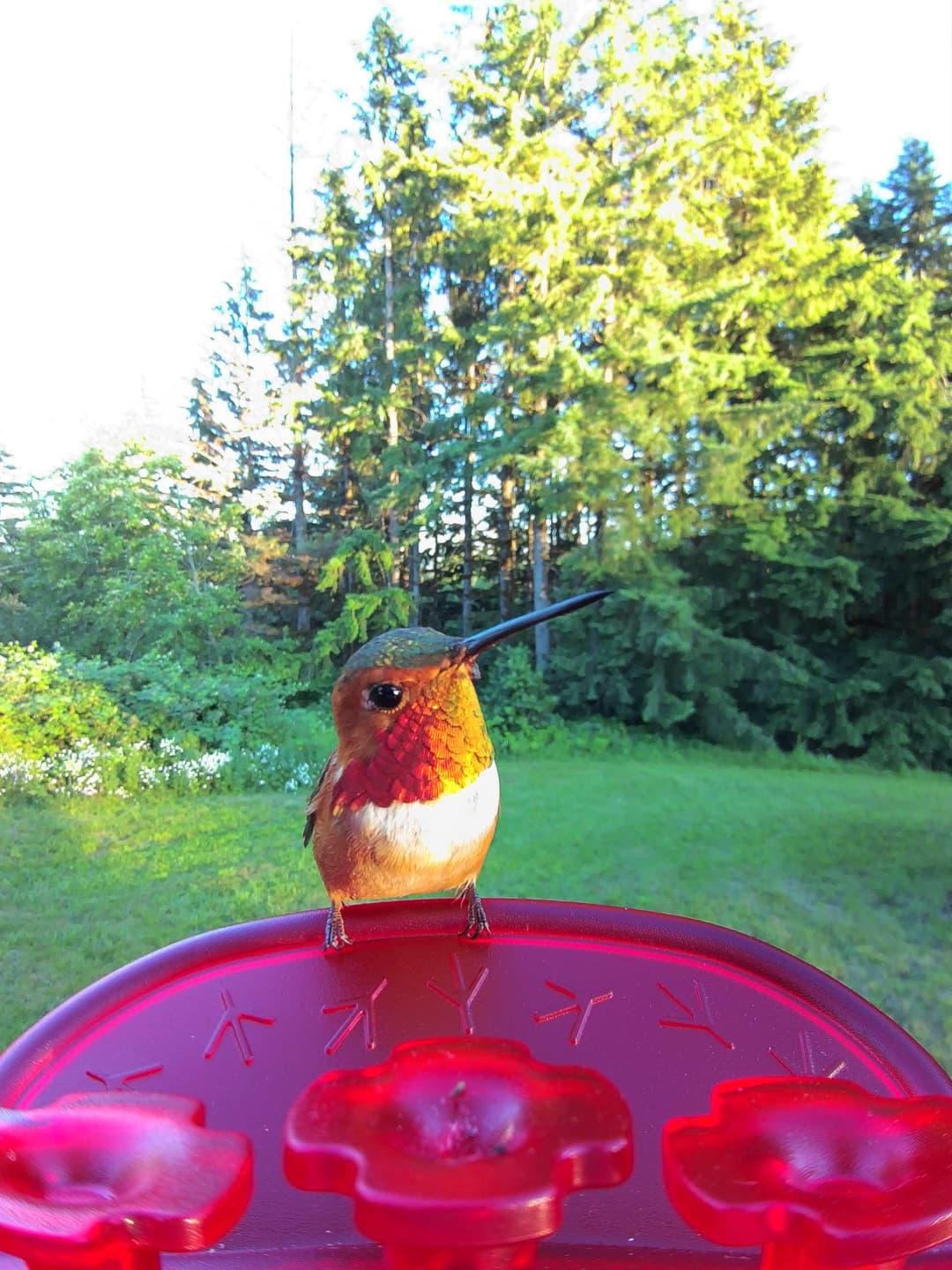
Berylline Hummingbird vs Black-Chinned Hummingbird
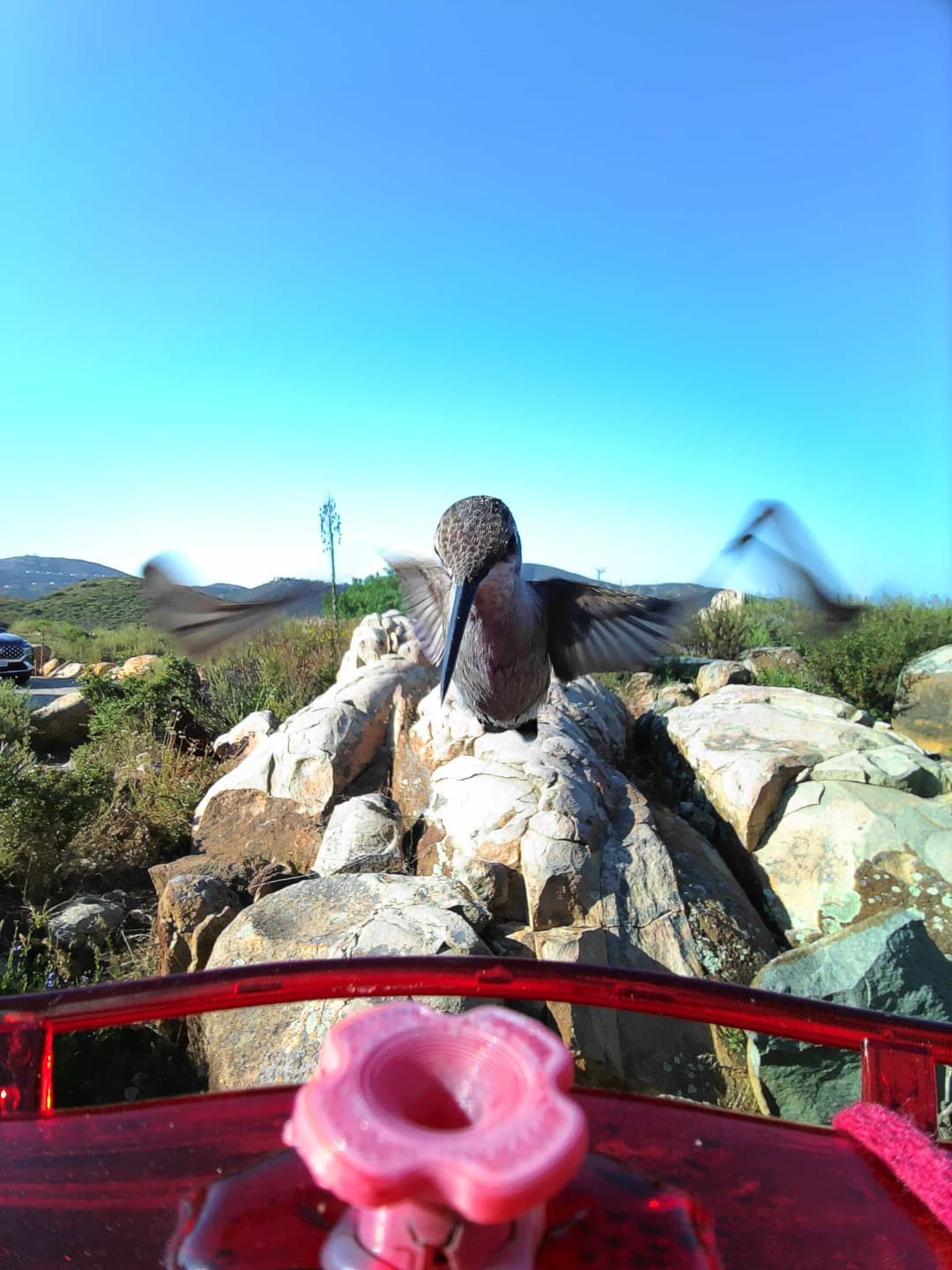
Berylline Hummingbird vs Broad-Billed Hummingbird
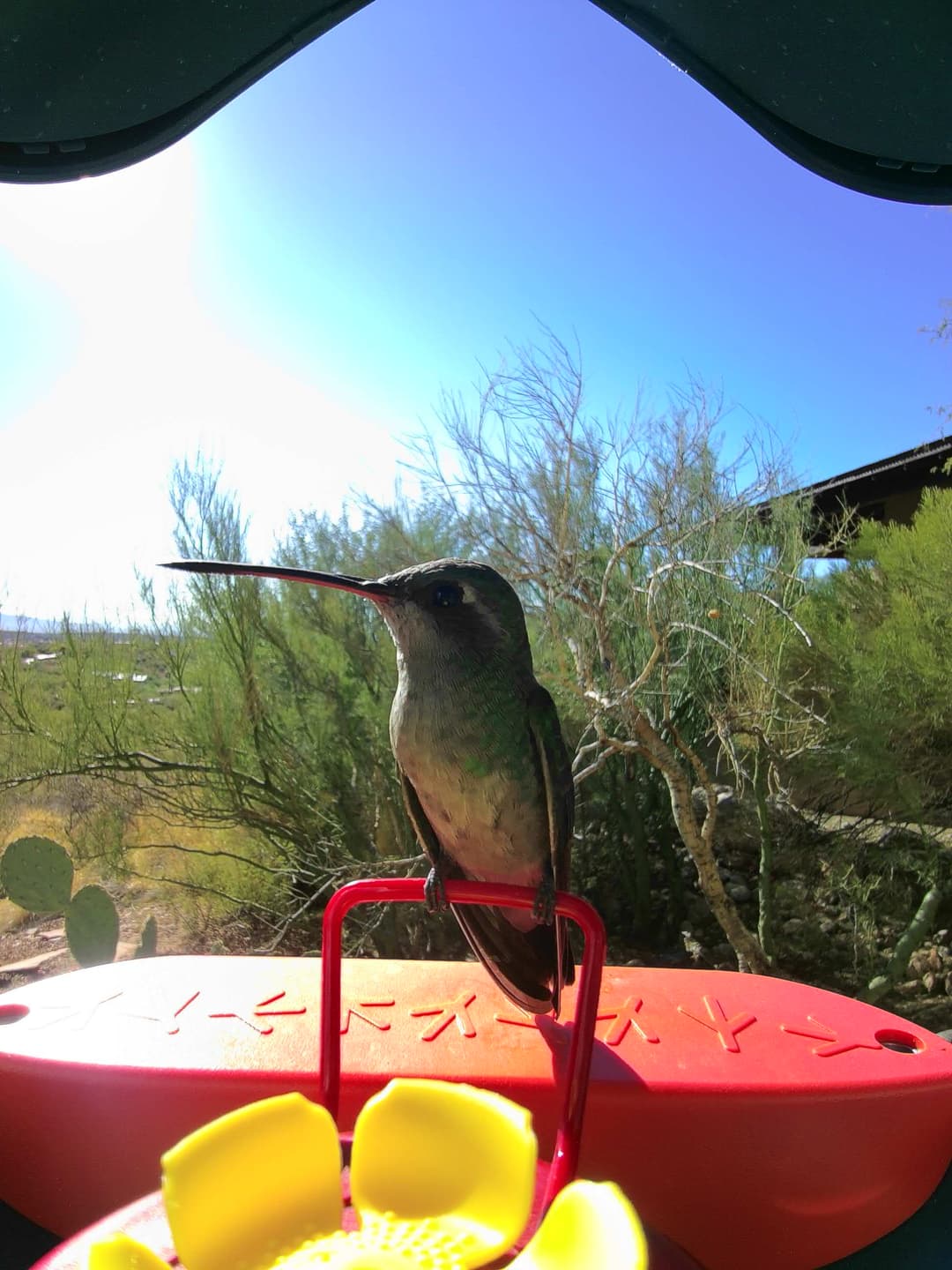
Berylline Hummingbird vs Buff-Bellied Hummingbird
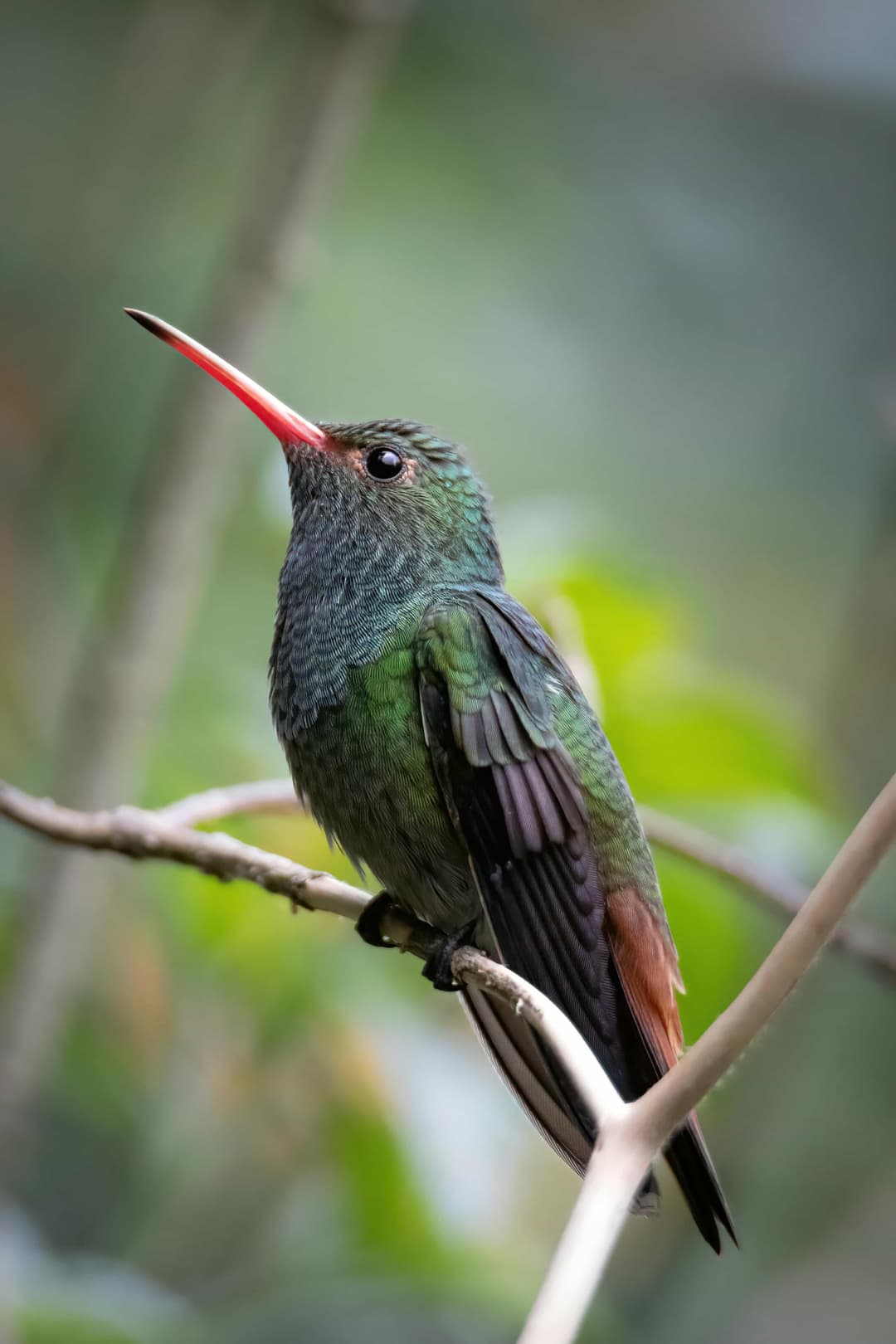
Berylline Hummingbird vs Lucifer Hummingbird
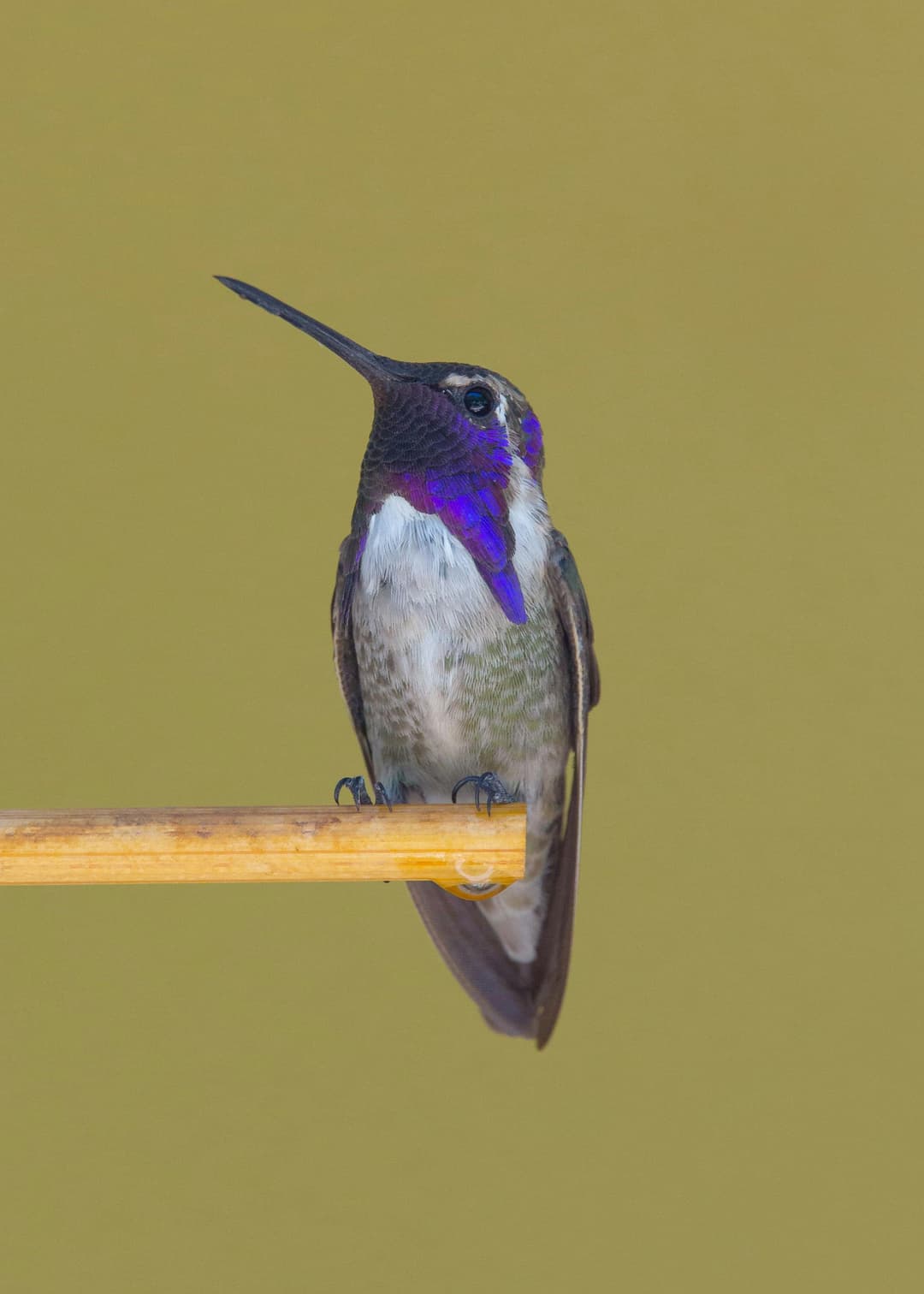
Berylline Hummingbird vs Rivoli's Hummingbird
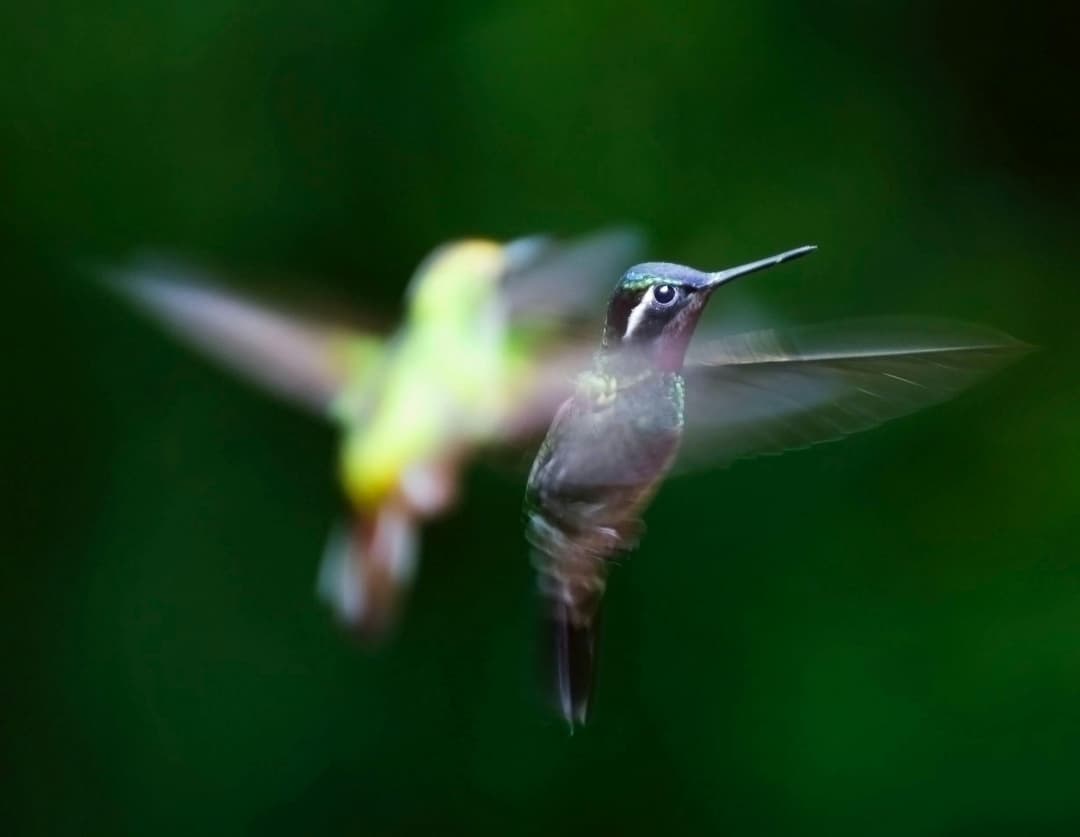
Berylline Hummingbird vs Violet-Crowned Hummingbird
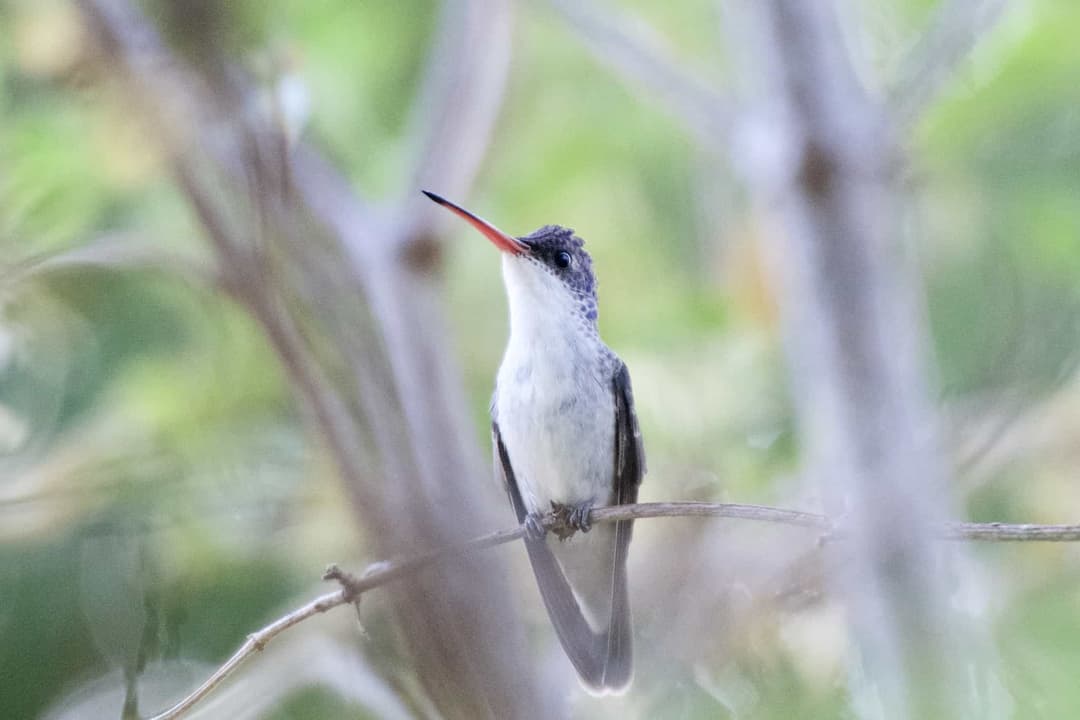
Anna's Hummingbird vs Broad-Tailed Hummingbird
Anna's Hummingbird vs Black-Chinned Hummingbird
Anna's Hummingbird vs Costa’s Hummingbird
Anna's Hummingbird vs Rufous Hummingbird
Berylline Hummingbird vs [Select a bird]

[Select a bird]
Pick a bird to compare
Anna's Hummingbird vs [Select a bird]
[Select a bird]
Pick a bird to compare