Berylline Hummingbird or Lucifer Hummingbird?
Here's how to tell the difference




Berylline Hummingbird

Lucifer Hummingbird
Berylline Hummingbird
Saucerottia beryllina
General appearance
The berylline hummingbird displays a striking combination of vivid colors, primarily characterized by a shimmering green head and body, transitioning into a bronze to reddish-bronze tone on the back and tail. Their small size, typically 8-10 cm in length, and rapid, agile flight are hallmark features that aid in identification.
Male vs female
Males are noted for their bright emerald green plumage throughout, with a more extensive and vibrant reddish-brown coloration on the tail compared to females. Females exhibit more subdued coloration, with a paler underbelly and less intense iridescence. Both sexes possess a slightly decurved, slender black bill, but males have slightly brighter coloration overall.
Juvenile
Juvenile berylline hummingbirds resemble females more closely, with duller green plumage and less iridescent feathers. They typically lack the striking shine of adult plumage and gradually develop more vibrant colors as they mature. In the field, juveniles can be identified by their muted tones and less defined coloration of the tail and back.
Size
3.1 - 3.9 in/0.1 - 0.2 oz
There's more to learn about Berylline Hummingbird
View full detailsLucifer Hummingbird
Calothorax lucifer
Also known as: Lucifer sheartail
General appearance
The Lucifer Hummingbird is a small bird of around 3 3/4" or 10cm, roughly the size of a sparrow. It is distinctive for its heavy, curved bill, and a tail that can appear forked, notched, multi-pointed, rounded or square-tipped. It is black, green, purple, red, tan, and white in color with narrow, rounded, short wings.
Male vs female
There are slight differences between the male and female lucifer hummingbird. Males have longer black tails that can sometimes look forked and a vibrant, colorful throat area. The throat is typically purple in color. Females, on the other hand, have a warm pale buff appearance on their faces and undersides with a dusky patch near their ears.
Juvenile
As with most bird species, juvenile lucifer hummingbirds are not as brightly colored as adults. They are relatively plain with softer tones and less recognizable characteristics. As they mature, their colors and unique characteristics become more prominent.
Size
3.9 - 4.1 in/0.1 oz
There's more to learn about Lucifer Hummingbird
View full detailsHow to tell the Berylline Hummingbird from the Lucifer Hummingbird
Visual differences
The Berylline Hummingbird, around 3-4 inches long, features a shimmering green head and body with a bronze to reddish-bronze back and tail. It has a slightly decurved black bill. In contrast, the Lucifer Hummingbird, about 3 3/4 inches in length, showcases a distinctive purple throat, a heavily curved bill, and a deeply forked tail. Males of both species are more vibrant, while females have subdued tones. The Lucifer's forked tail and heavy curved bill are key differentiators from the Berylline's slender bill and solid coloration.
Key differences and behavior
The Berylline Hummingbird and Lucifer Hummingbird can be distinguished by several behavioral and ecological traits. Berylline Hummingbirds, although social, are dominant, often seeing off competitors at flowering trees, and are quite vocal. They are commonly found in mountainous forests and canyons, with nesting during summer rains. In contrast, the Lucifer Hummingbird inhabits arid deserts and dry slopes, where they perform unique courtship displays involving rapid flights and dives. While both species feed on nectar and insects, Berylline Hummingbirds also frequent pine-oak woodlands, while Lucifers prefer tubular flowers in desert environments. Both frequent feeders, but their distinct choice of habitats makes their coexistence uncommon.
Still not sure? Here are more lookalikes!
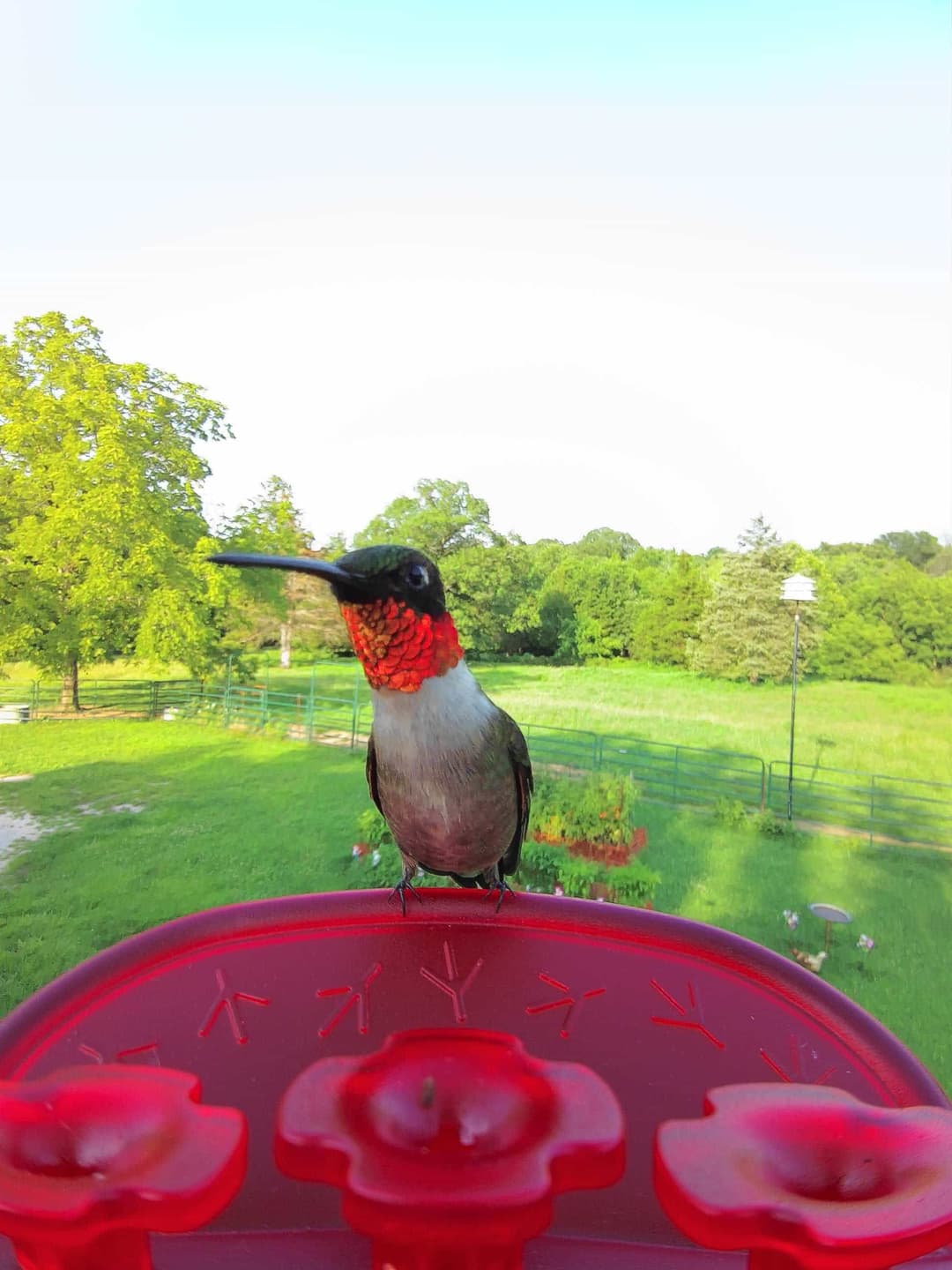
Berylline Hummingbird vs Ruby-Throated Hummingbird
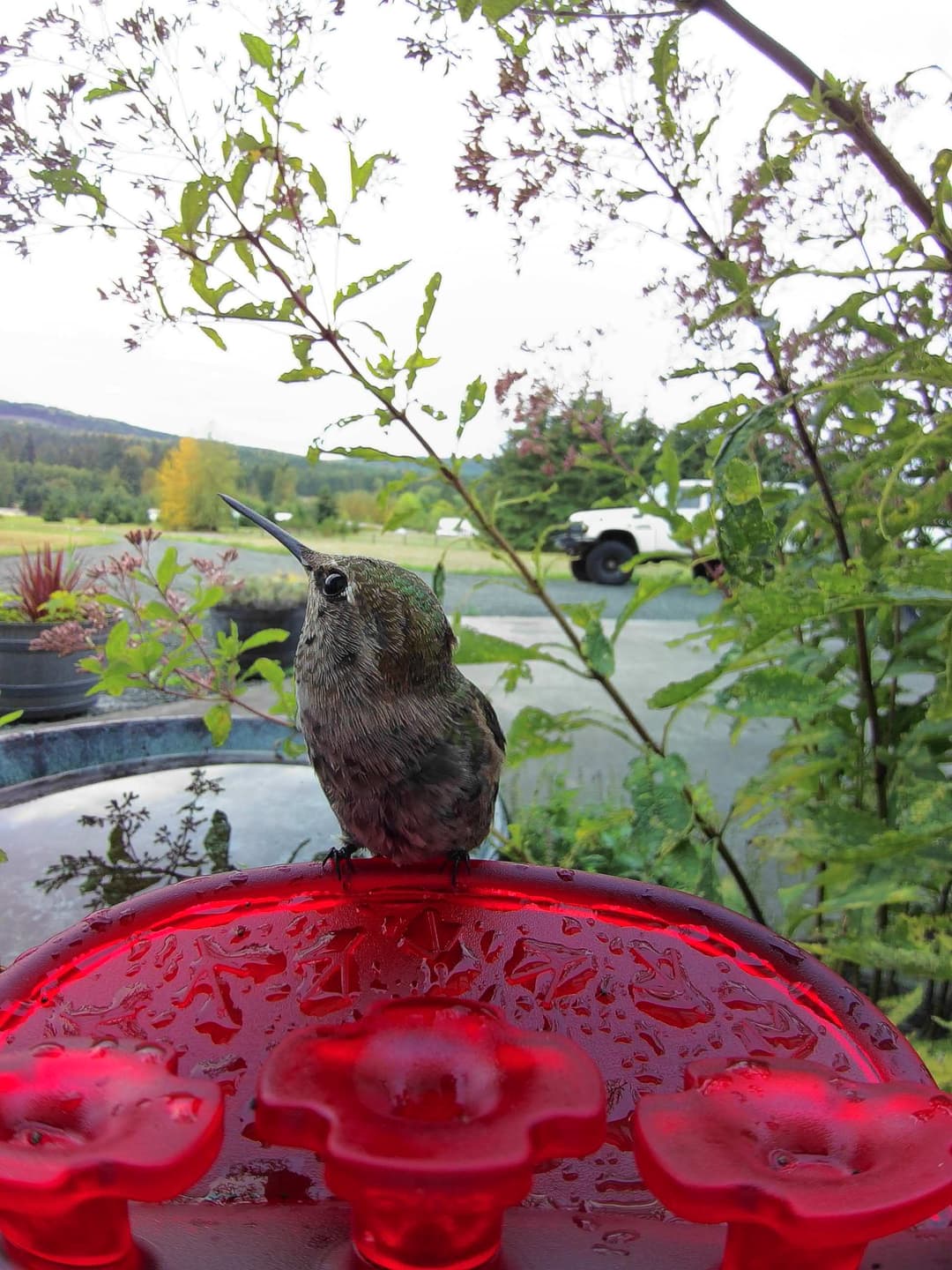
Berylline Hummingbird vs Anna's Hummingbird

Berylline Hummingbird vs Allen's Hummingbird
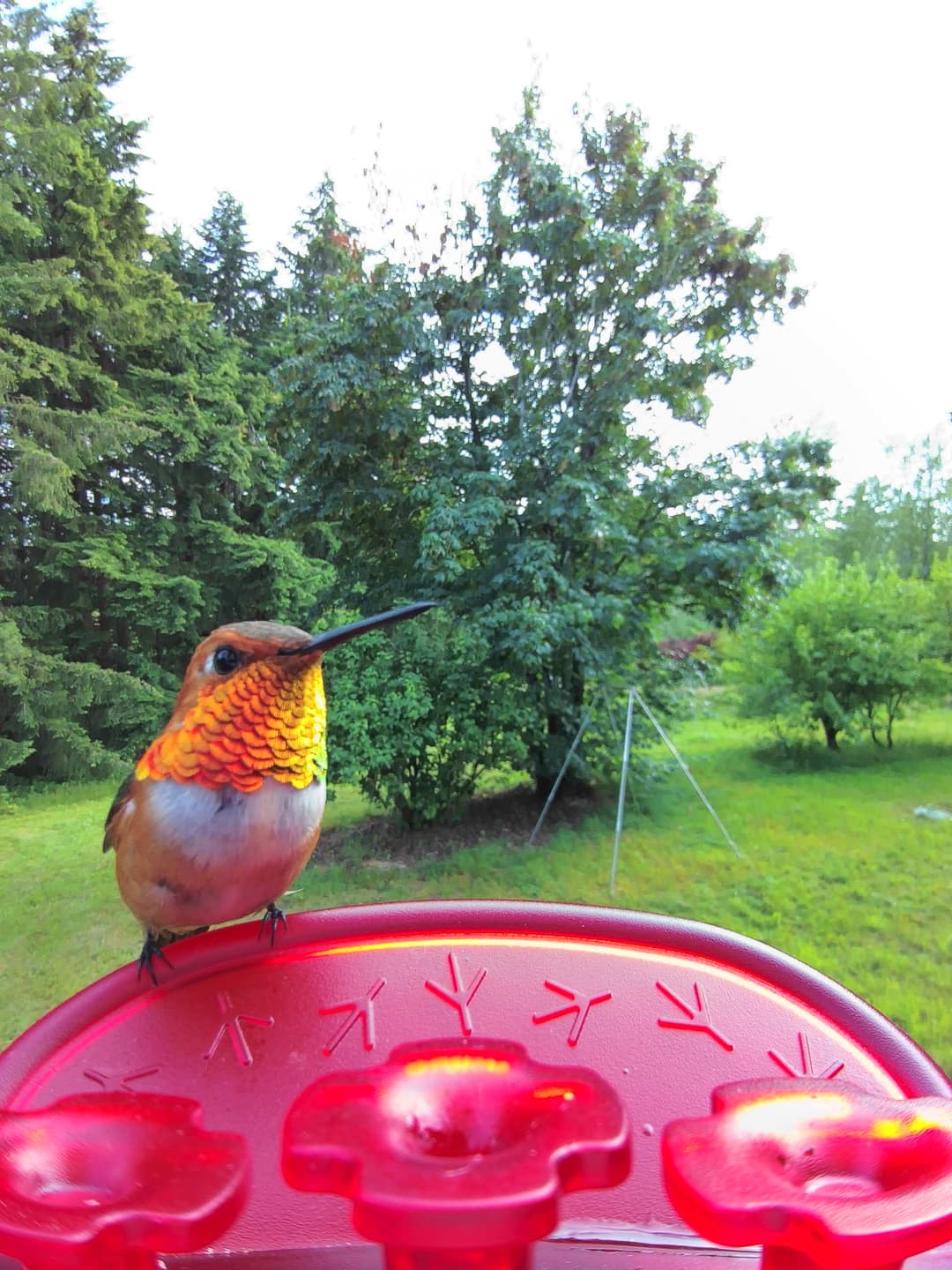
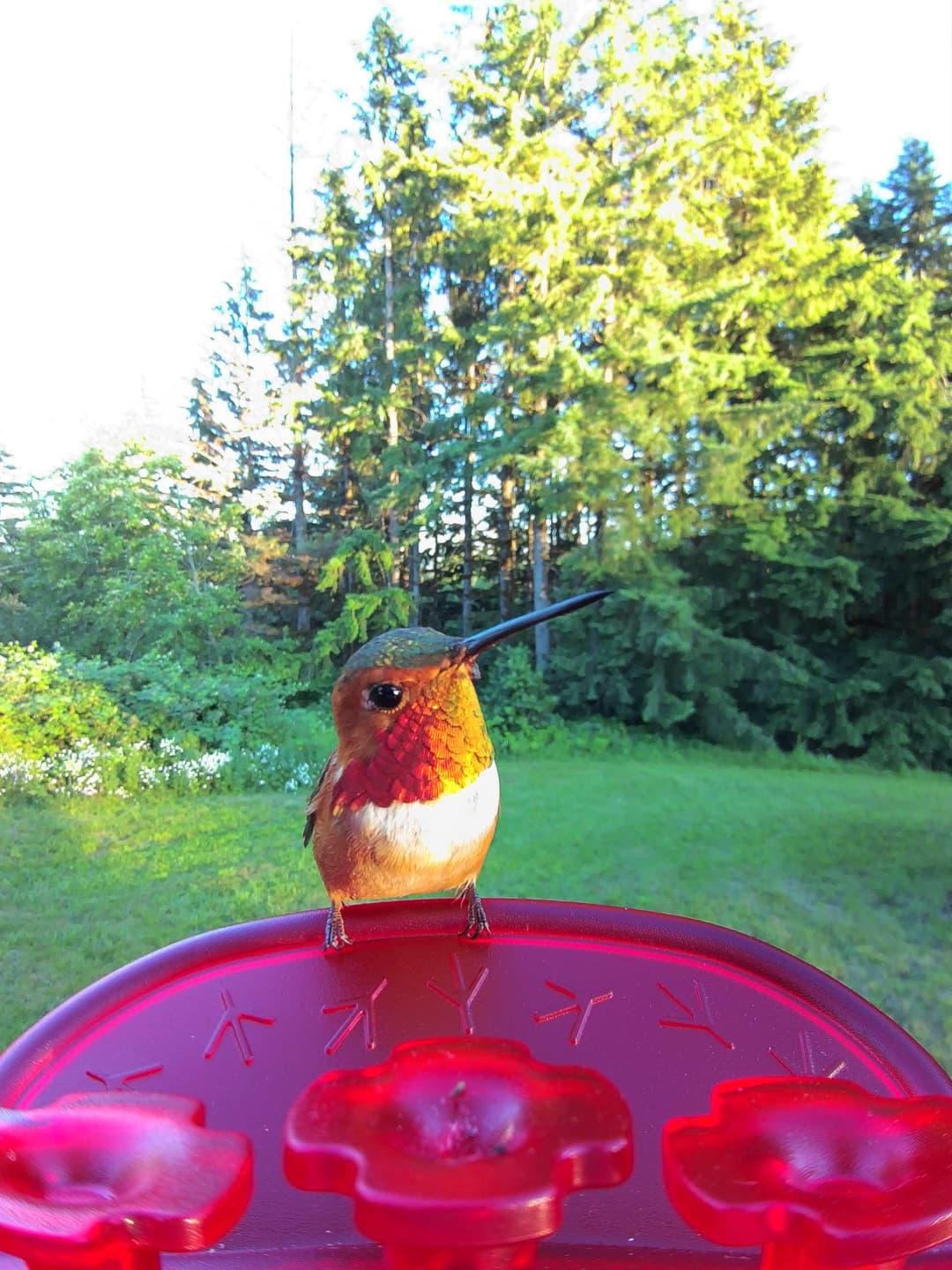
Berylline Hummingbird vs Rufous Hummingbird
Berylline Hummingbird vs Black-Chinned Hummingbird

Berylline Hummingbird vs Broad-Billed Hummingbird
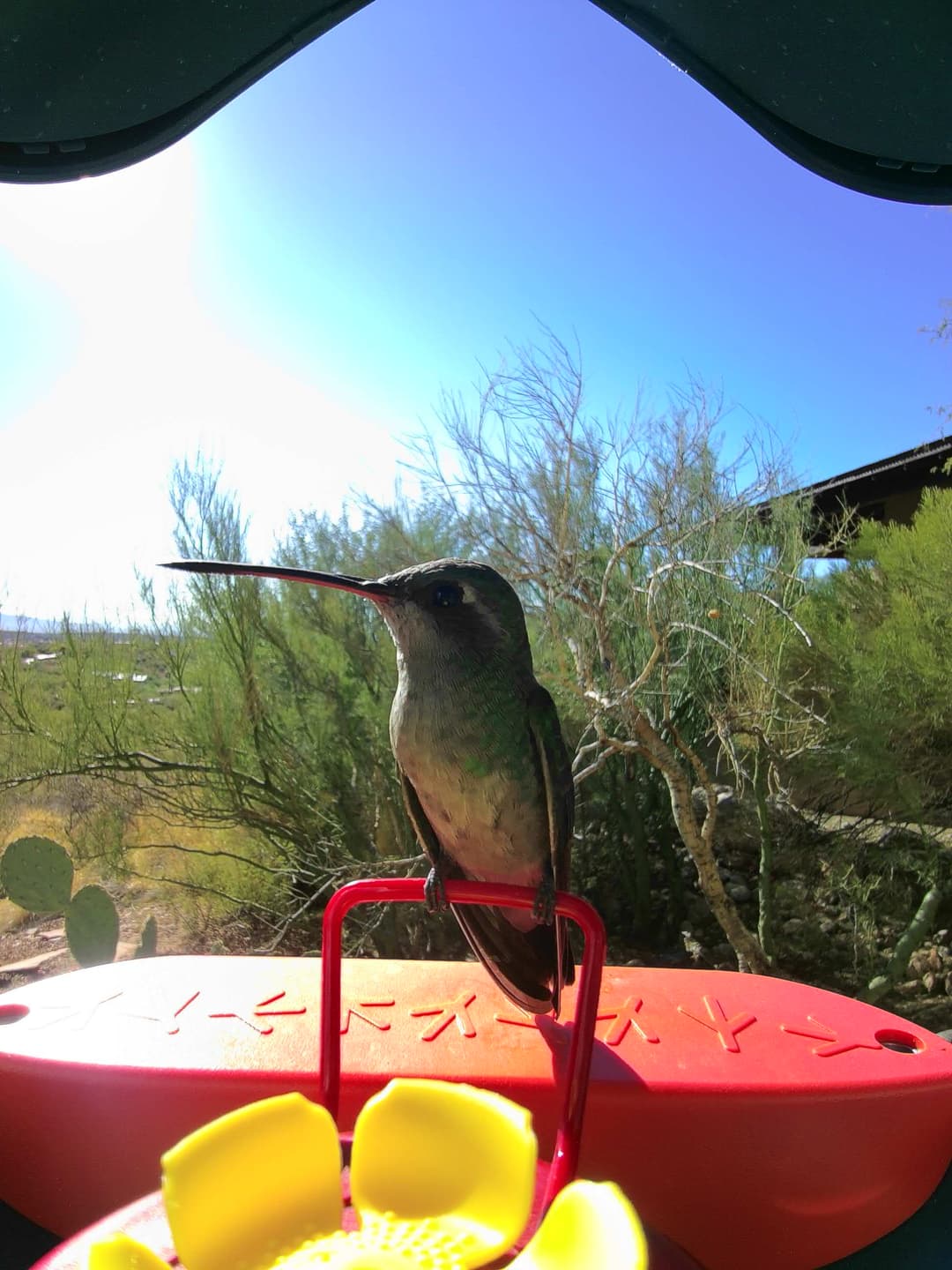
Berylline Hummingbird vs Buff-Bellied Hummingbird
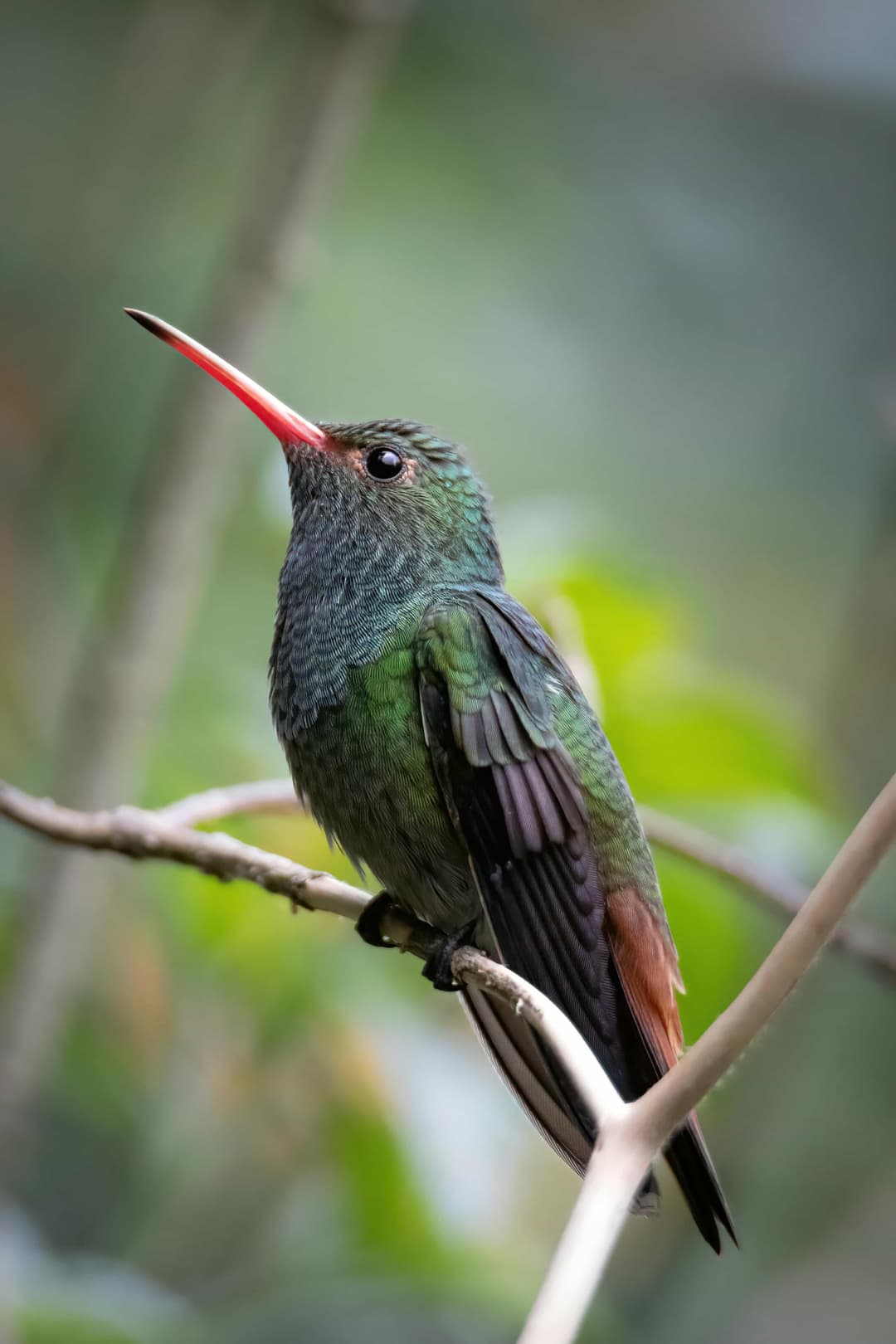
Berylline Hummingbird vs Rivoli's Hummingbird
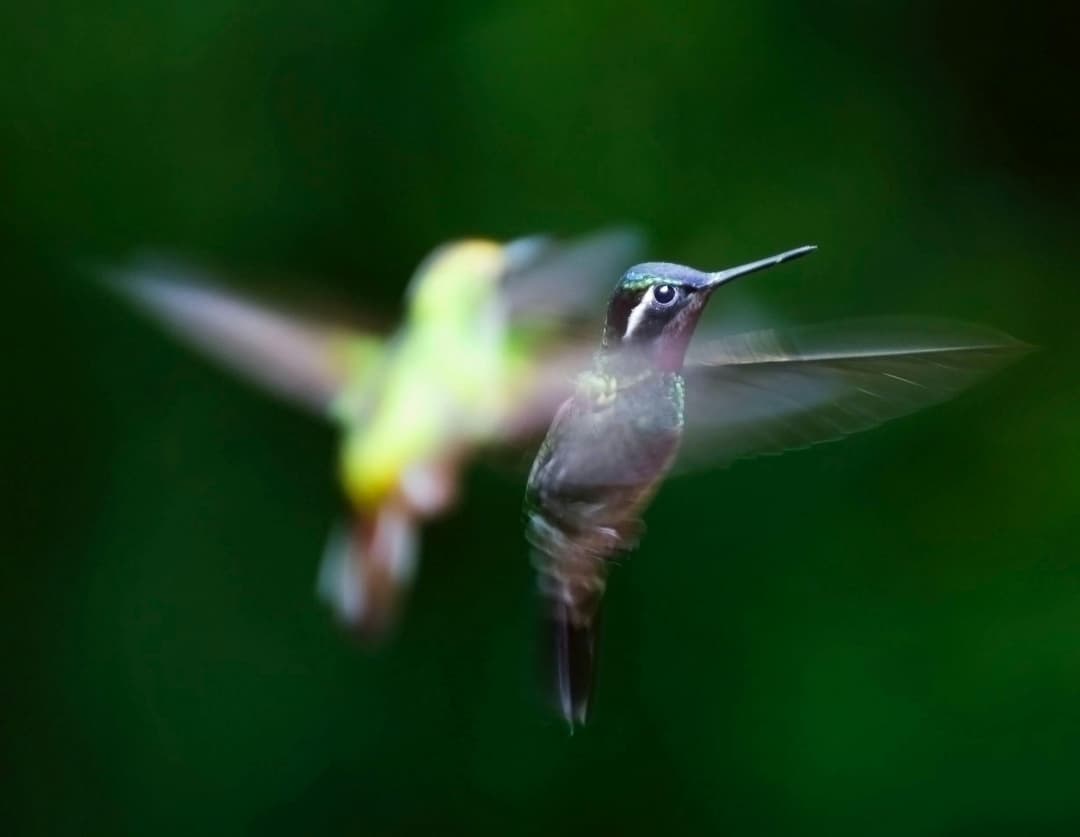
Berylline Hummingbird vs Violet-Crowned Hummingbird
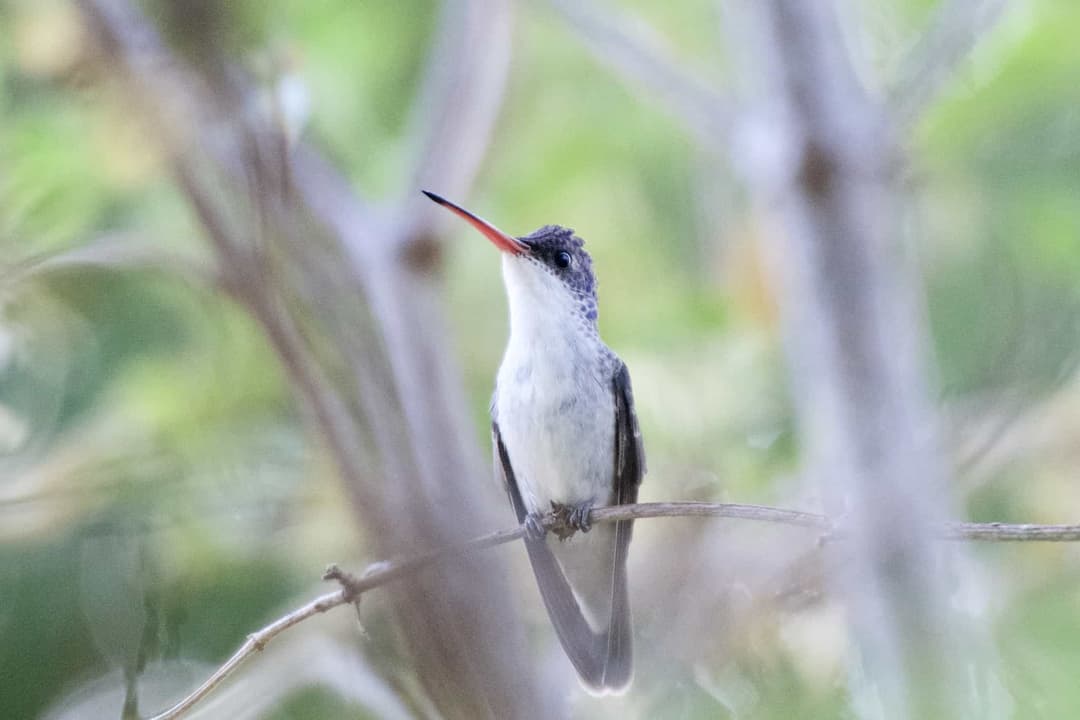
Lucifer Hummingbird vs Black-Chinned Hummingbird
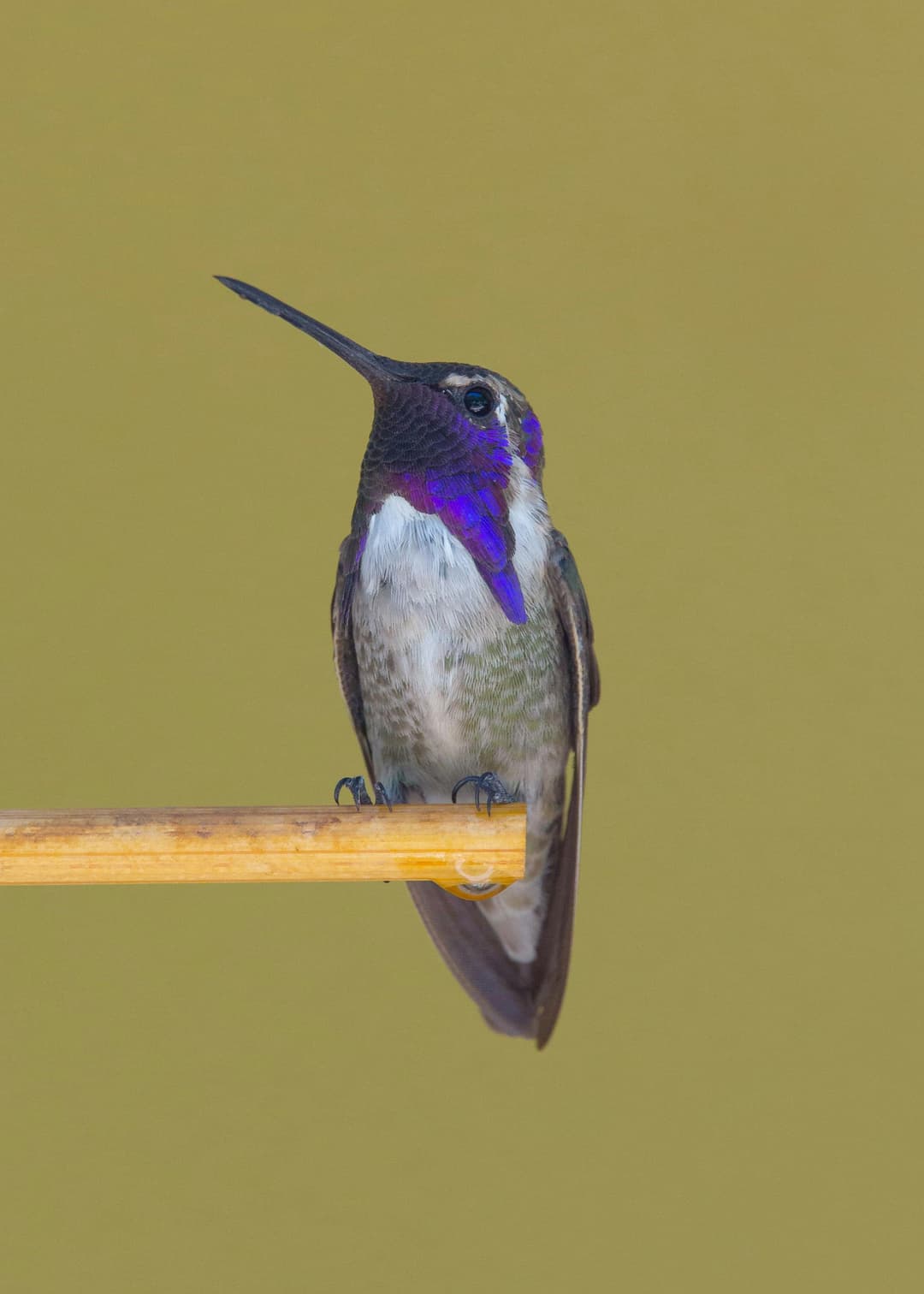
Lucifer Hummingbird vs Costa’s Hummingbird
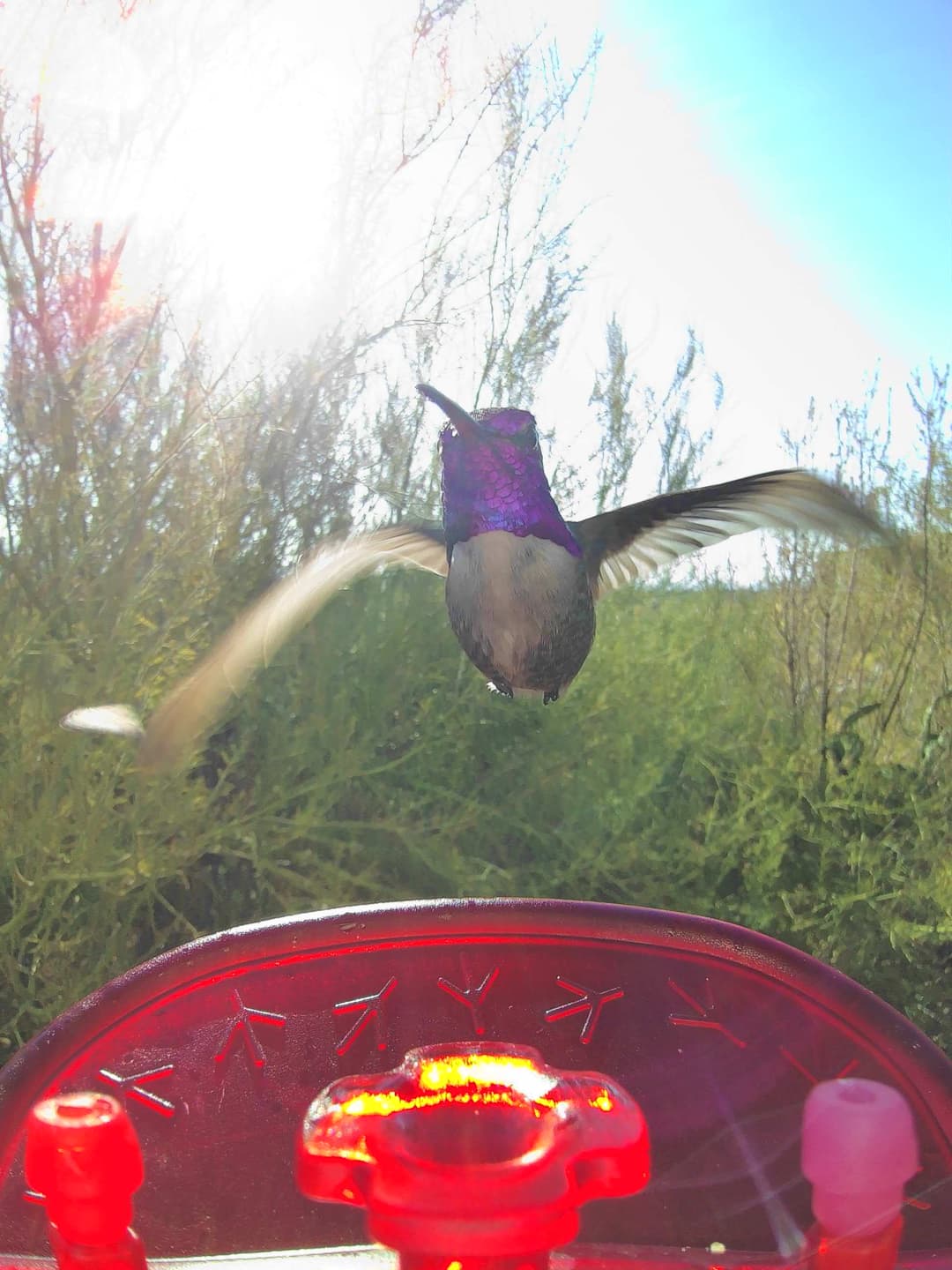
Lucifer Hummingbird vs Broad-Tailed Hummingbird
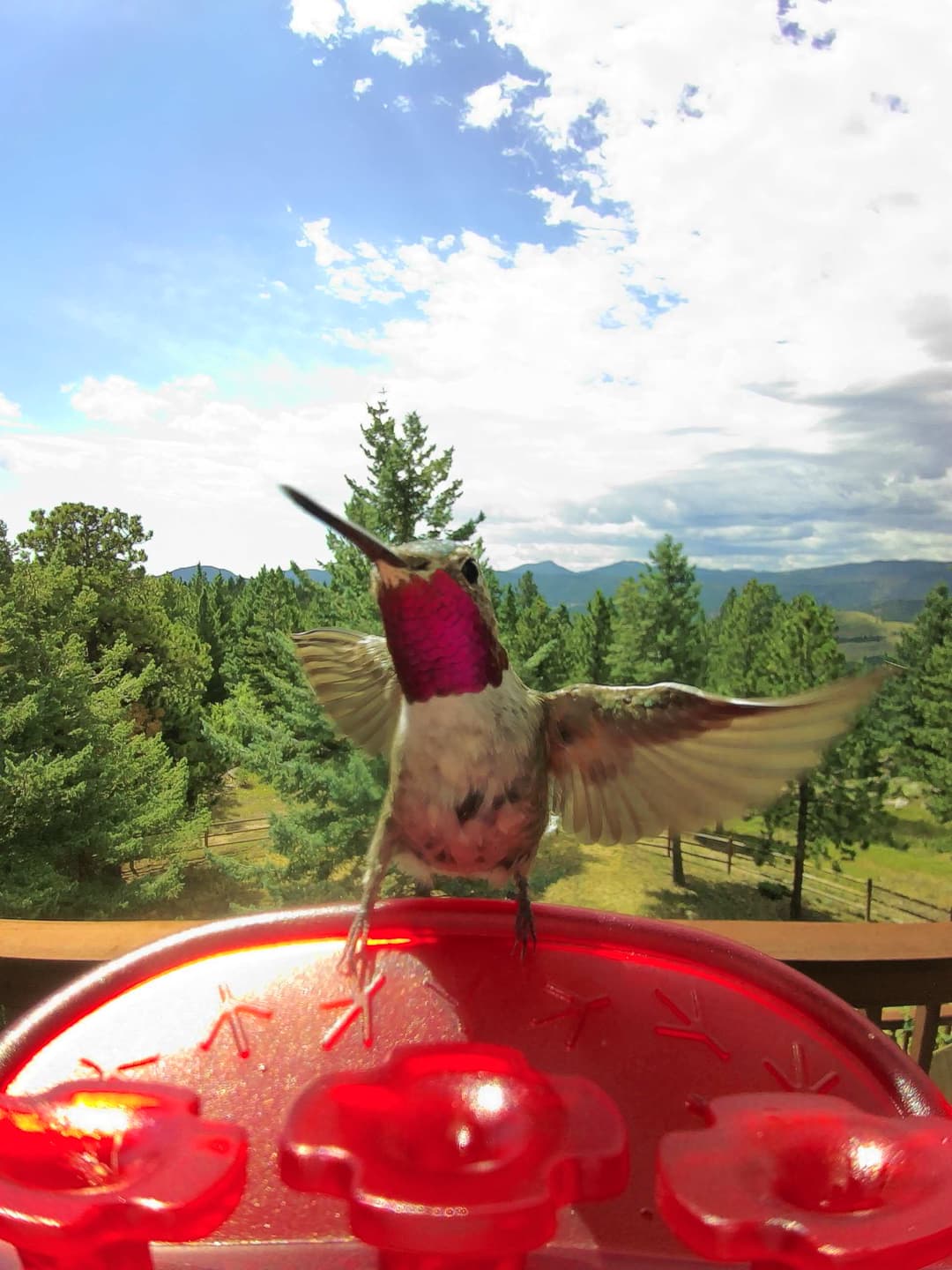
Lucifer Hummingbird vs Allen's Hummingbird
Lucifer Hummingbird vs Rufous Hummingbird
Berylline Hummingbird vs [Select a bird]

[Select a bird]
Pick a bird to compare
Lucifer Hummingbird vs [Select a bird]
[Select a bird]
Pick a bird to compare