Pacific Wren or Bewick’s Wren?
Here's how to tell the difference



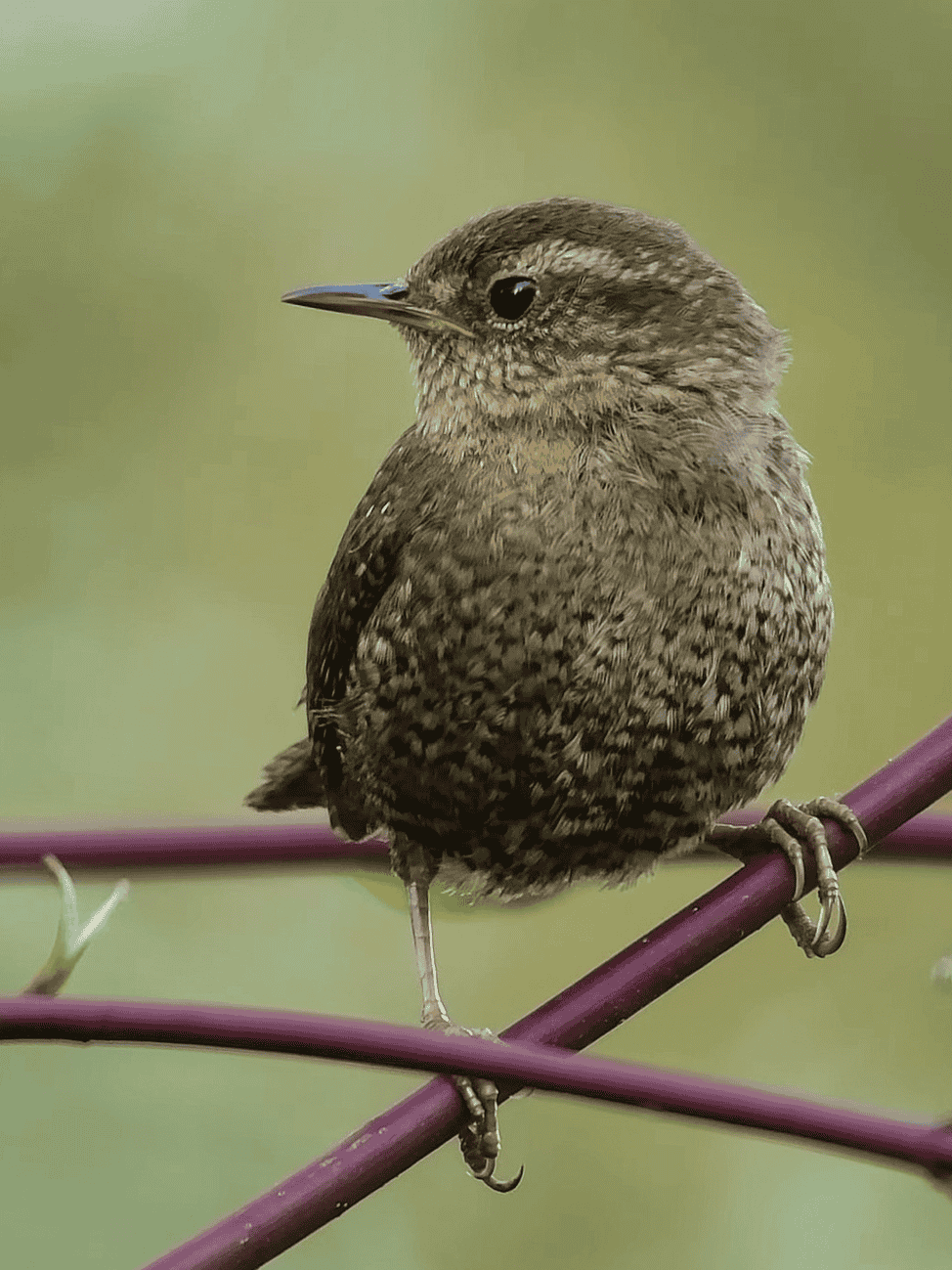
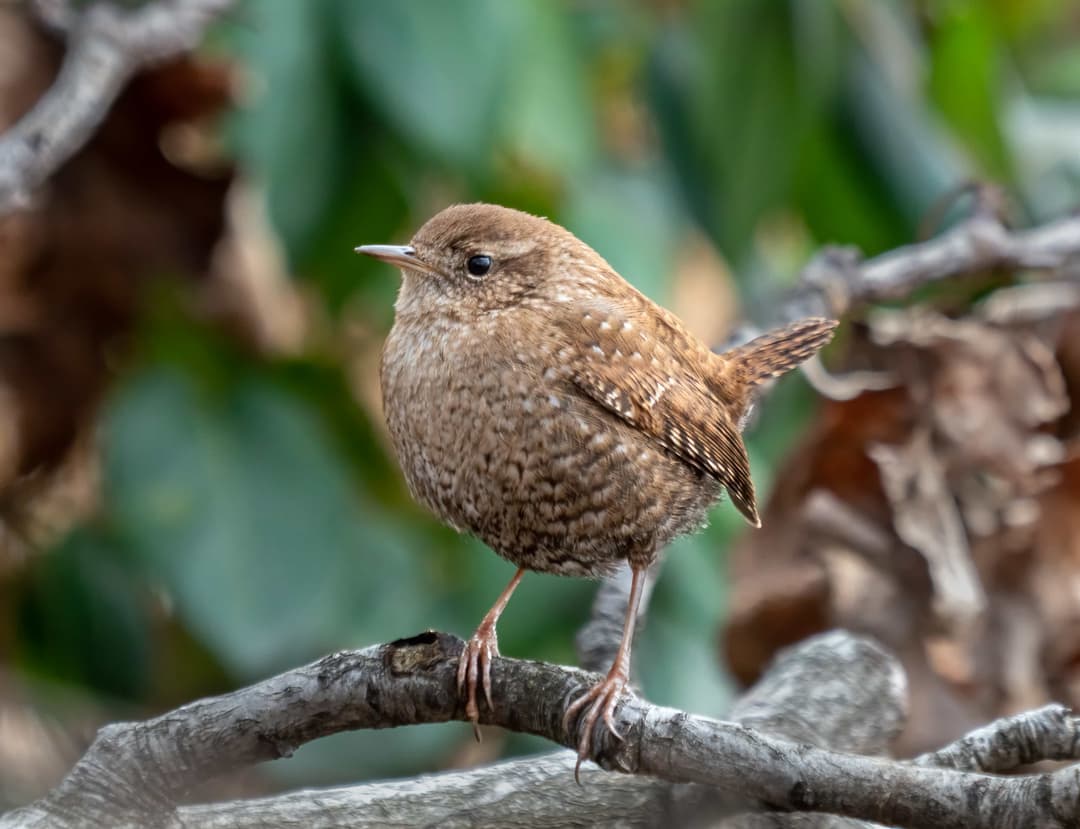
Pacific Wren
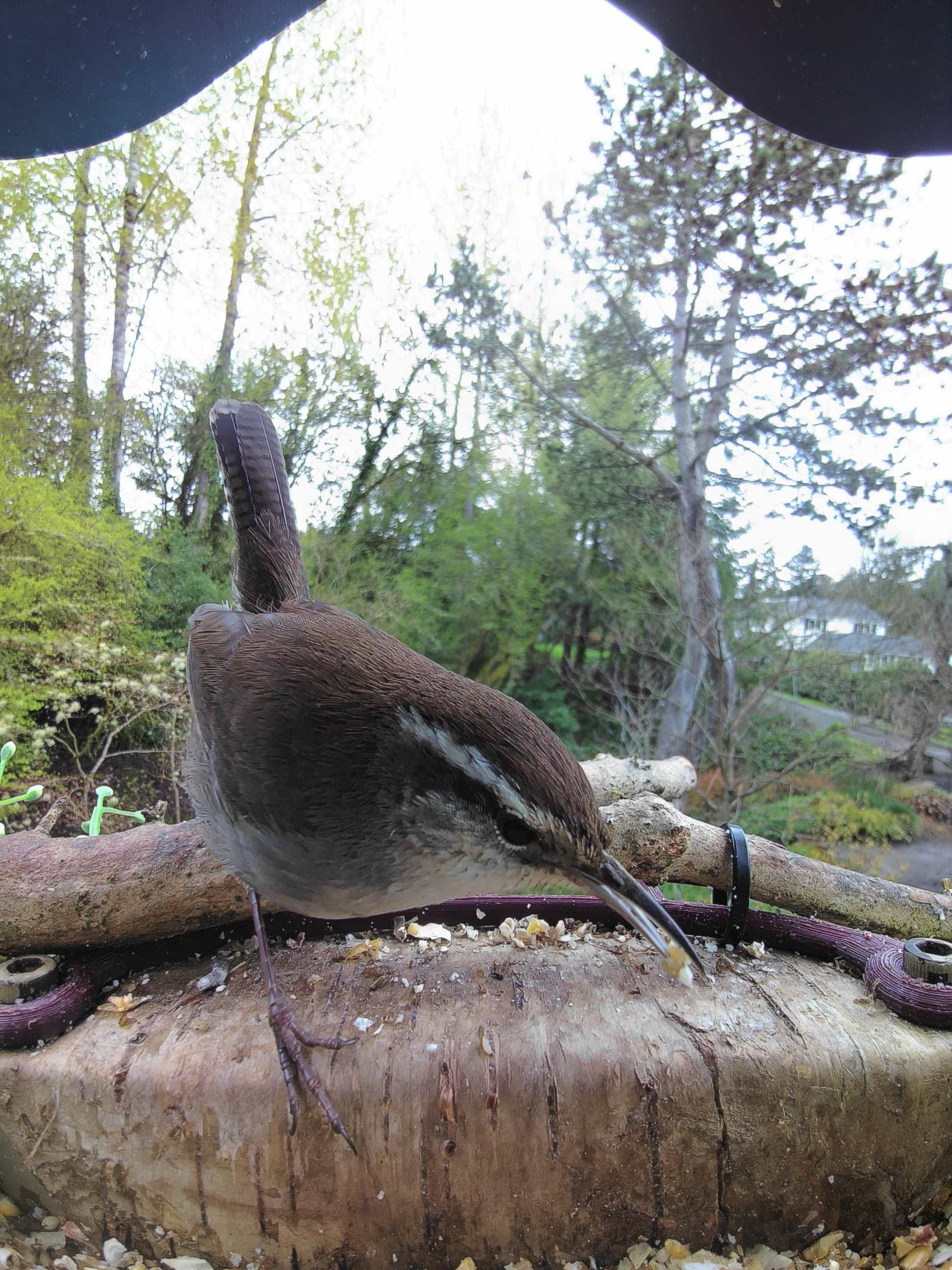


Bewick’s Wren
Pacific Wren
Troglodytes pacificus
General appearance
The Pacific Wren is a small bird of around 4-4 1/2 inches (10-11cm) in size with a shortened stubby tail. Its coloration is generally dark, contrasting with a warmer golden brown chest. The bird's flanks feature strong dark barring. It can often be mistaken for a House Wren due to its similar size, but it differentiates itself with its much shorter tail and unique voice. Rounds wings and small size makes it similar to a Sparrow.
Male vs female
There are not significant physical differences in appearance between males and females. Both genders share the same size, dark coloring and strong dark barring on their flanks. Identification between genders primarily comes down to the difference in their voices or during actions such as nesting.
Juvenile
Juvenile Pacific Wrens resemble the adults in overall appearance, but differences can be noted in subtler aspects of their coloring. Juvenile birds typically lack the richer golden-brown coloring on the chest seen in adults, displaying instead a duller shade of brown. Also, their callnote might vary slightly from adults.
Size
3.1 - 4.7 in/0.3 - 0.4 oz
There's more to learn about Pacific Wren
View full detailsBewick’s Wren
Thryomanes bewickii
General appearance
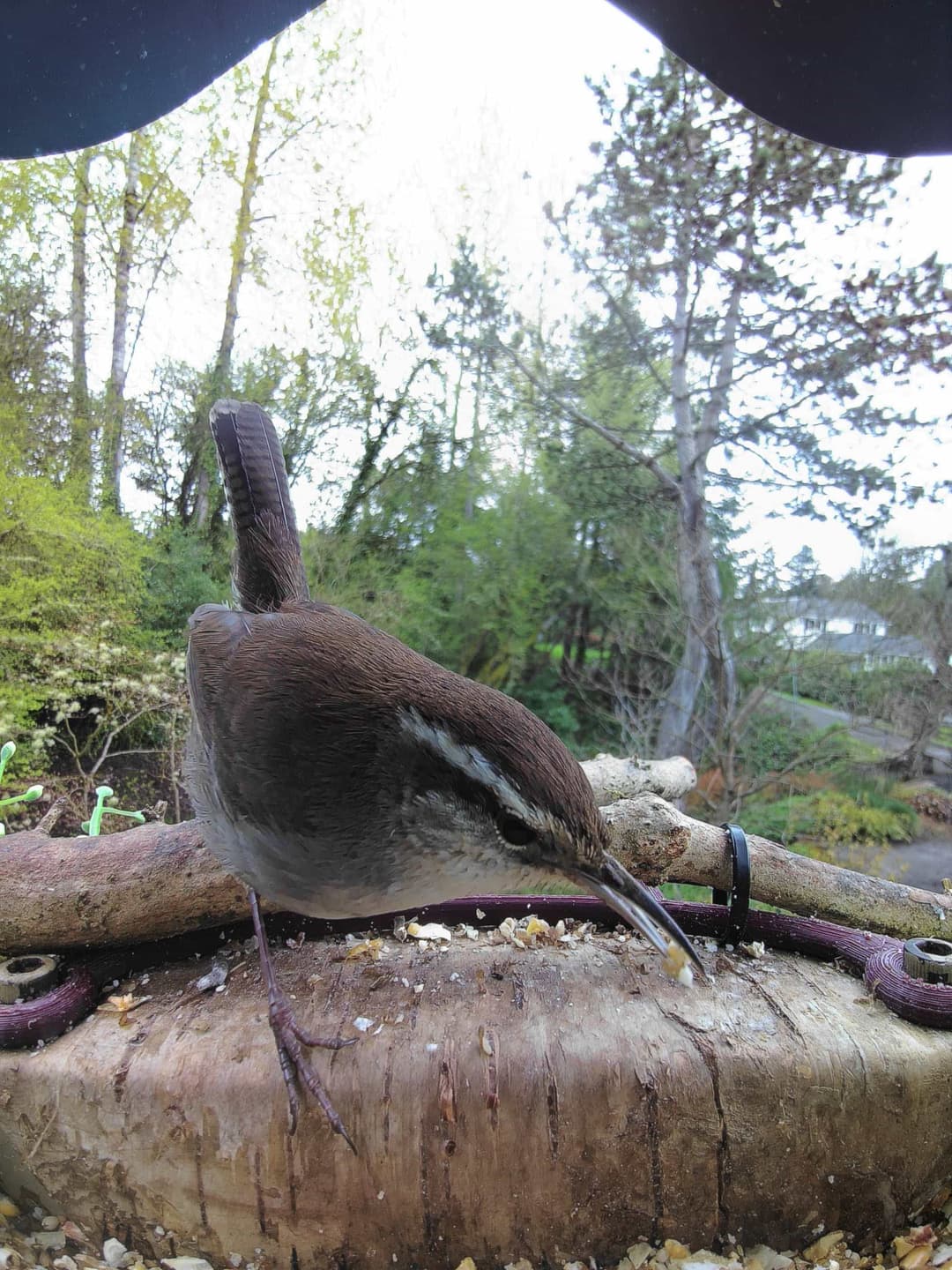
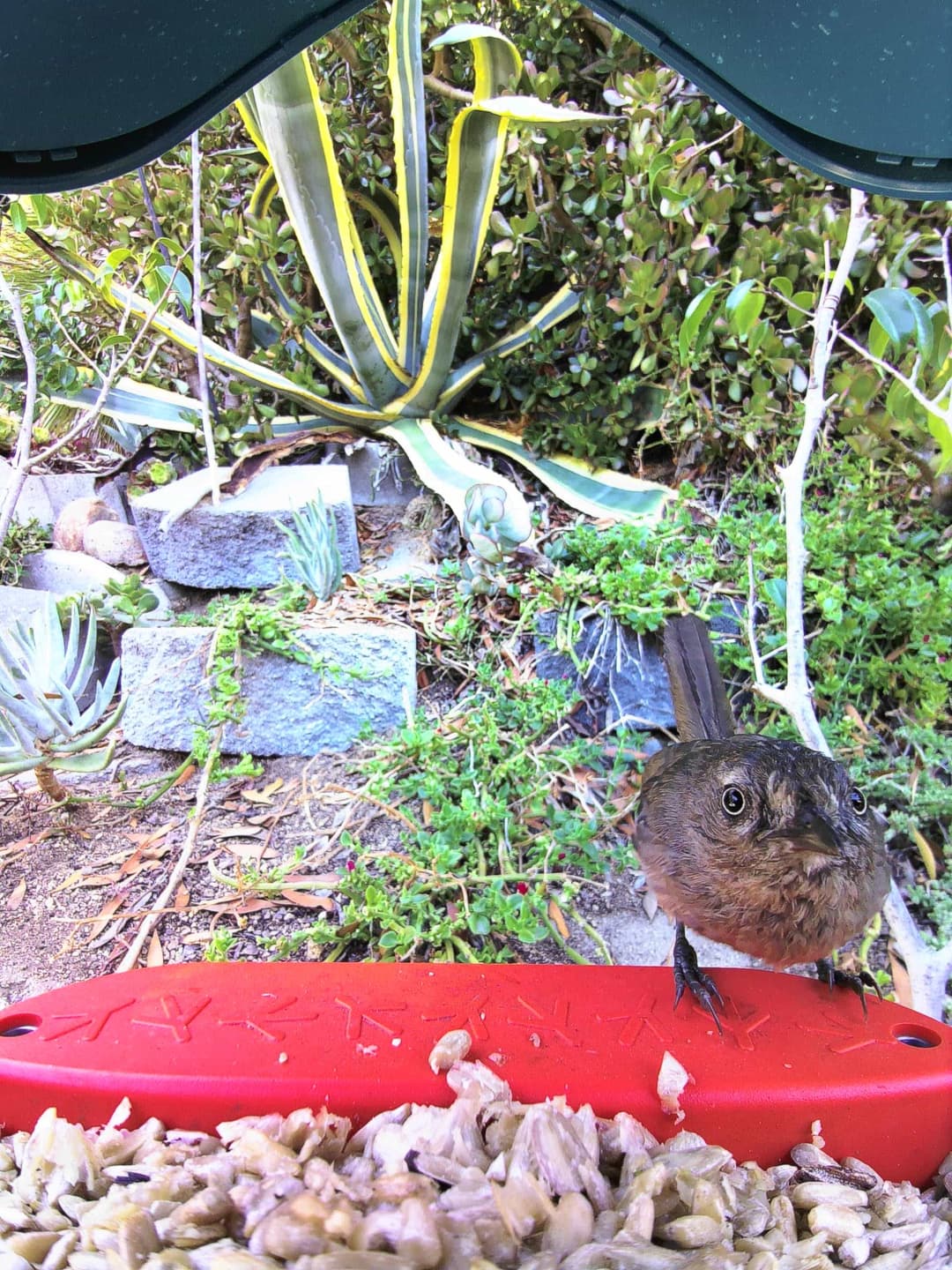
The Bewick's wren is a small bird that measures approximately 5 1/2 inches or 14cm in size. It is characterized by its white eyebrow and its long tail, which it often flips back and forth. The bird's back displays a dull brown color, while its underparts are of a pale gray hue. Notable features include white corners of the tail and eastern birds which are known to be more rich in color. The wren's overall size is akin to a Sparrow.
Male vs female
There are no significant differences in the outward physical appearance between male and female Bewick's wrens. Both the sexes exhibit the same coloration and size. However, the meticulous listener can distinguish between a male and female by their song, as vocalization in Bewick's wrens differs by gender.
Juvenile
Juvenile Bewick's wrens resemble adults but are somewhat paler in coloration. The white eyebrow characteristic of adults may not be prominently seen in young birds. As with many other bird species, juveniles mature over time and gradually acquire the definitive adult plumage.
Size
5.1 - 5.5 in/0.3 - 0.4 oz
There's more to learn about Bewick’s Wren
View full detailsHow to tell the Pacific Wren from the Bewick’s Wren
Visual differences
The Pacific Wren is smaller (4-4.5 inches) with a stubby tail and dark, barred flanks contrasted by a warm golden-brown chest. In contrast, Bewick's Wren is larger (5.5 inches) with a distinctive white eyebrow, a long tail with white corners, and dull brown back with pale gray underparts. Both lack sexual dimorphism. Juvenile Pacific Wrens are duller than adults, and juvenile Bewick's have less distinct eyebrows. The Pacific Wren’s tail is shorter compared to the long, often-flicked tail of Bewick's Wren.
Key differences and behavior
In the field, distinguishing Pacific Wren and Bewick's Wren behaviorally involves observing their song, habitat preferences, and nesting behaviors. Pacific Wrens are energetic and loud singers, often found in dense coniferous forests, and may pile into nest boxes to keep warm. They construct nests low and close to the ground. Bewick's Wrens, learning their songs from neighbors, prefer brushy, wooded habitats, and diverse surroundings, including suburban and desert areas. They build nests in varied cavities and may puncture competitor’s eggs. Both species primarily consume insects and occasionally visit feeders for suet or mealworms. The communal roosting of Pacific Wrens contrasts with the territorial song learning of Bewick’s Wrens, assisting in their field identification through behavior and ecological preferences.
Still not sure? Here are more lookalikes!
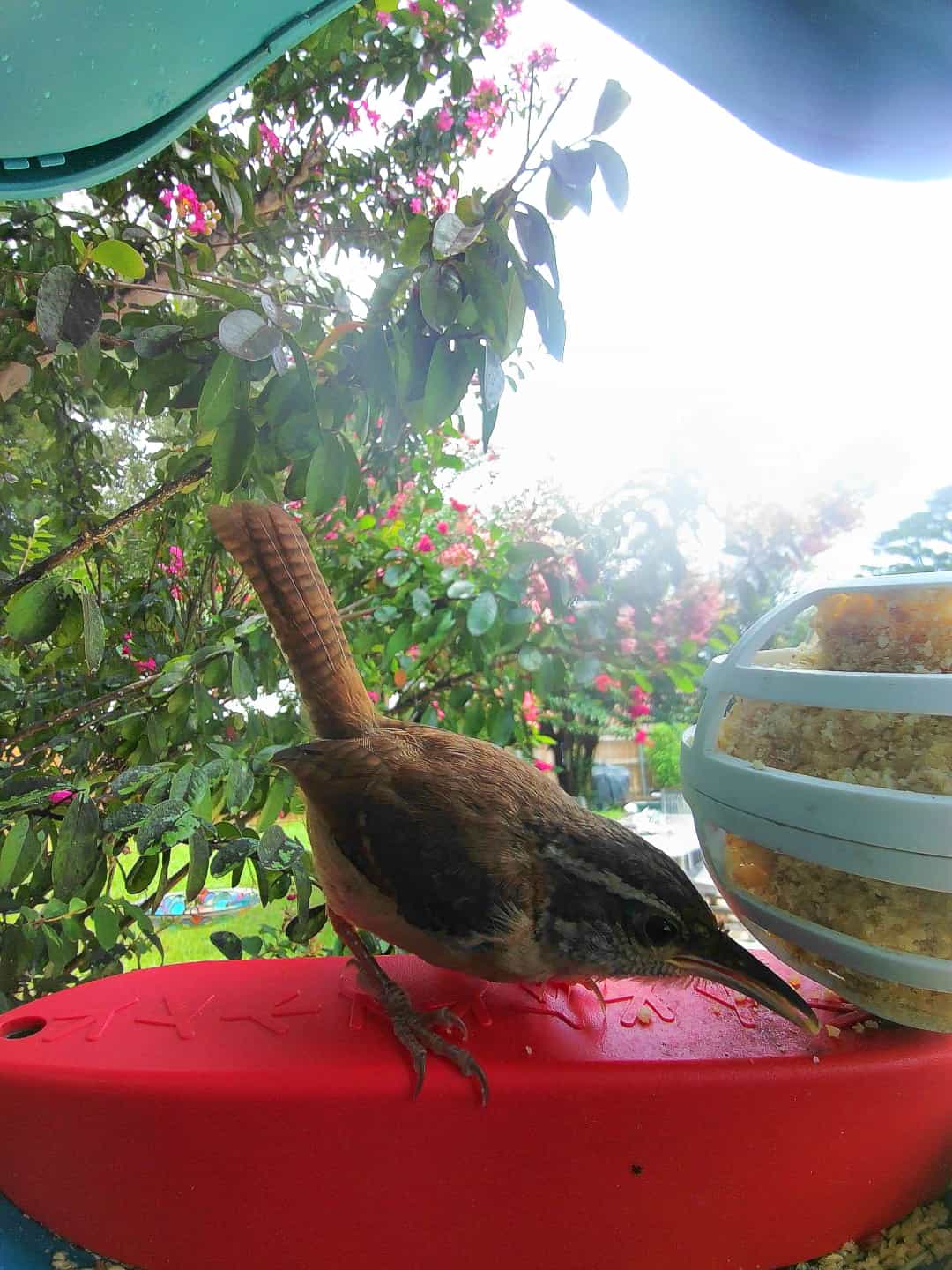
Bewick’s Wren vs Carolina Wren
Pacific Wren vs [Select a bird]

[Select a bird]
Pick a bird to compare
Bewick’s Wren vs [Select a bird]
[Select a bird]
Pick a bird to compare