Bewick’s Wren or Bushtit?
Here's how to tell the difference

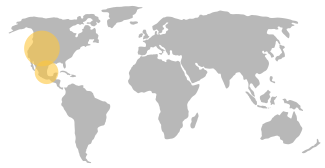
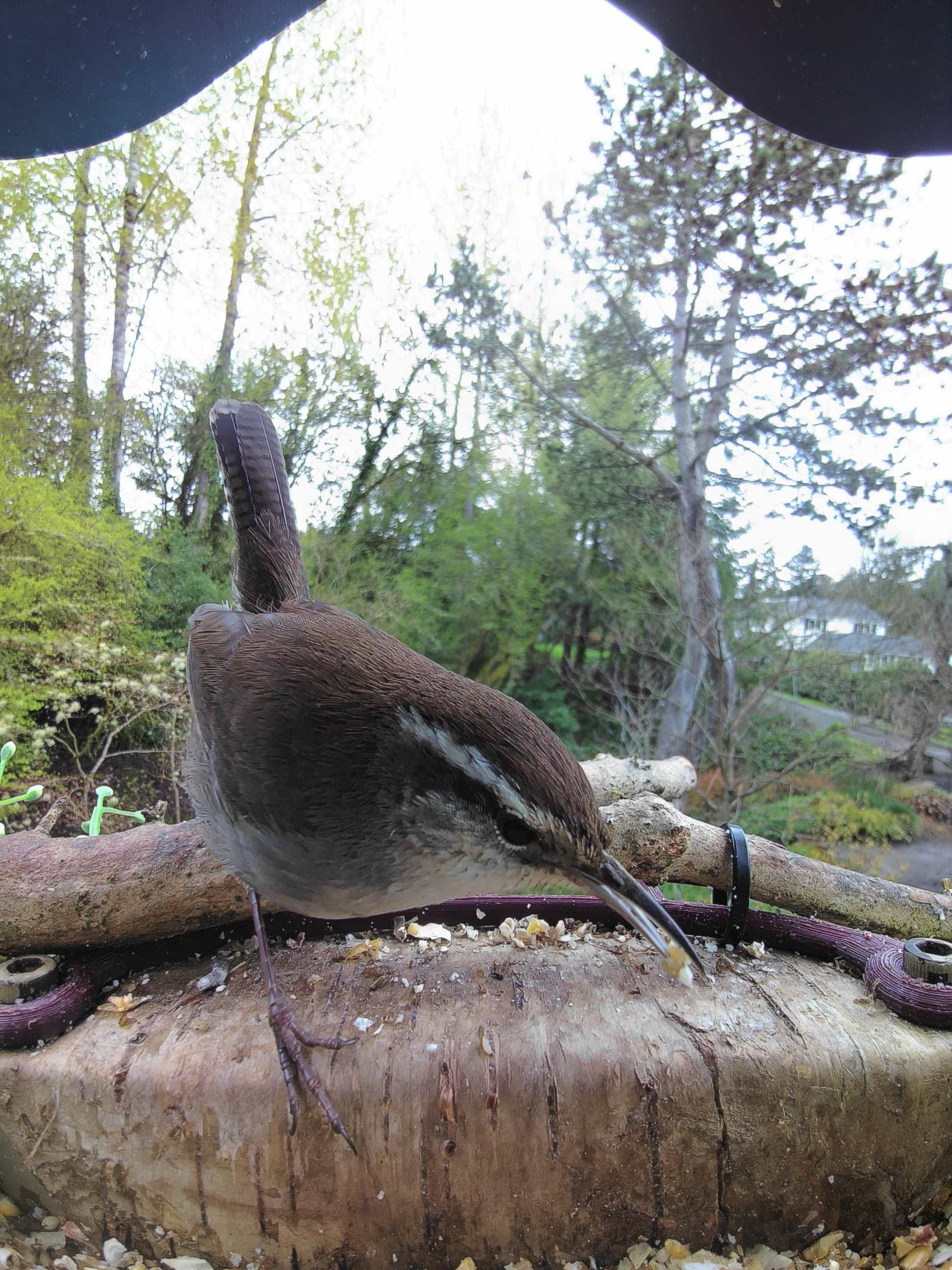


Bewick’s Wren
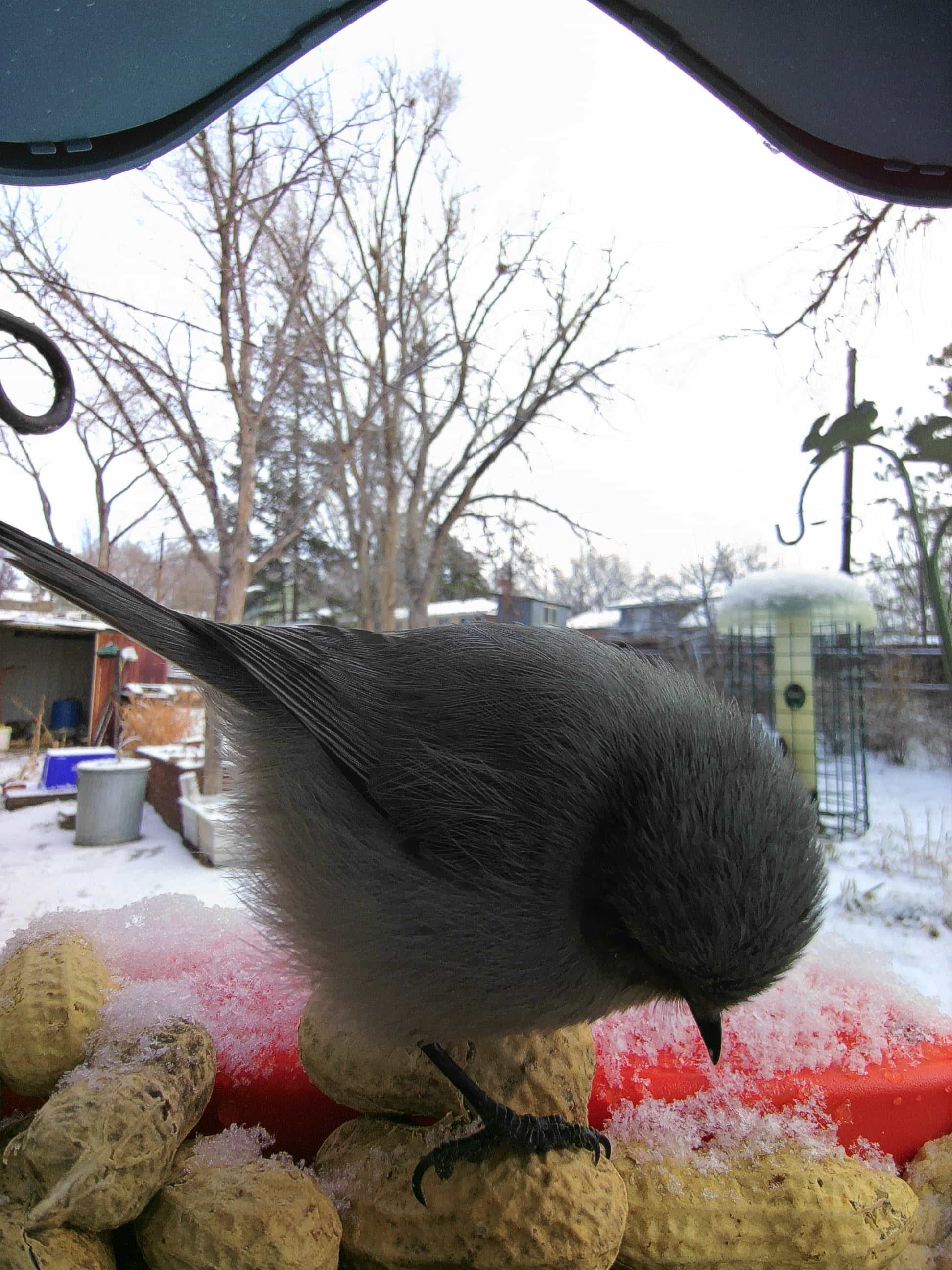


Bushtit
Bewick’s Wren
Thryomanes bewickii
General appearance
The Bewick's wren is a small bird that measures approximately 5 1/2 inches or 14cm in size. It is characterized by its white eyebrow and its long tail, which it often flips back and forth. The bird's back displays a dull brown color, while its underparts are of a pale gray hue. Notable features include white corners of the tail and eastern birds which are known to be more rich in color. The wren's overall size is akin to a Sparrow.
Male vs female
There are no significant differences in the outward physical appearance between male and female Bewick's wrens. Both the sexes exhibit the same coloration and size. However, the meticulous listener can distinguish between a male and female by their song, as vocalization in Bewick's wrens differs by gender.
Juvenile
Juvenile Bewick's wrens resemble adults but are somewhat paler in coloration. The white eyebrow characteristic of adults may not be prominently seen in young birds. As with many other bird species, juveniles mature over time and gradually acquire the definitive adult plumage.
Size
5.1 - 5.5 in/0.3 - 0.4 oz
There's more to learn about Bewick’s Wren
View full detailsBushtit
Psaltriparus minimus
Also known as: American Bushtit
General appearance
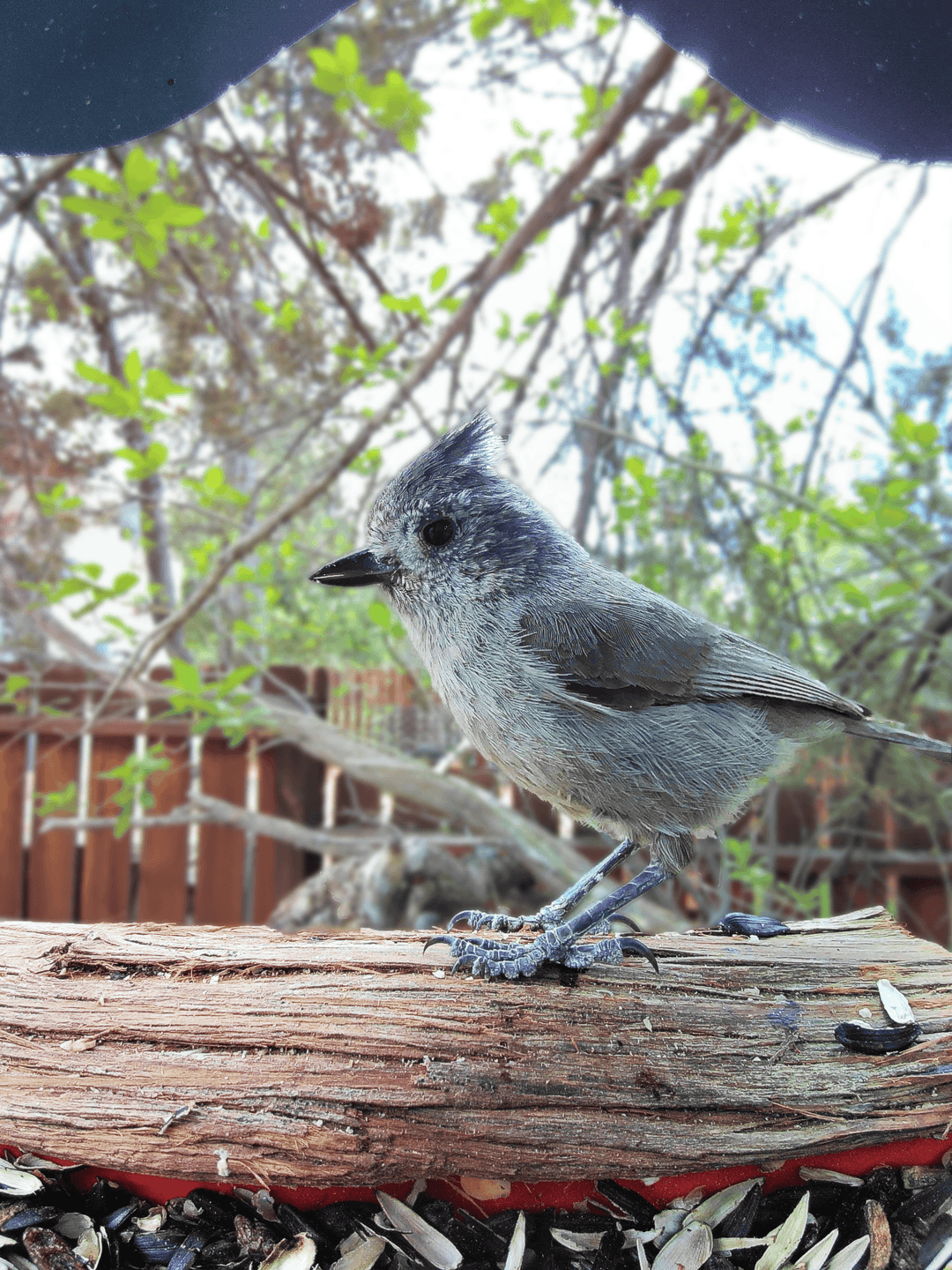
The bushtit is a tiny bird, about the size of a Sparrow, with the length of 3 3/4 - 4 inches. It has a small bill and a long, wedge-shaped tail. The bird's color ranges from black, brown, gray, to tan and white. It has a rounded wing shape and is often found in large flocks in open woods.
Male vs female
There is a stark difference between male and female bushtits, primarily observed in their eye color. Males have dark eyes, whereas females have pale ones. Coastal birds often have a browner head, setting them apart from others.
Juvenile
Juvenile males, especially in west Texas, may display black ear patches, distinguishing them from adult males. Asides from this, juveniles may hold similar physical traits to adults.
Size
4.3 - 5.5 in/0.2 oz
There's more to learn about Bushtit
View full detailsHow to tell the Bewick’s Wren from the Bushtit
Visual differences
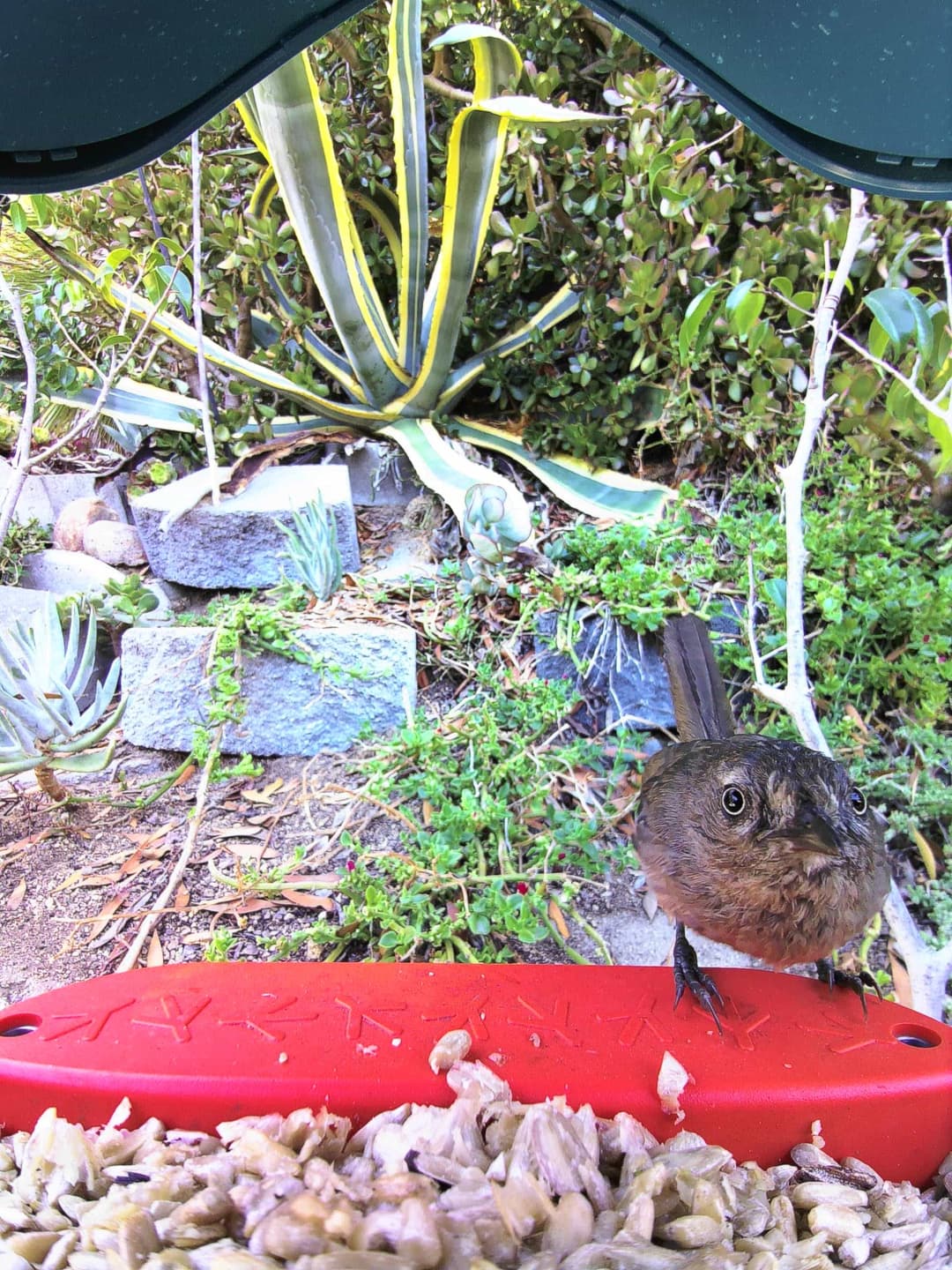
Bewick's Wren is about 5.5 inches long with a dull brown back, pale gray underparts, white eyebrow, and white-tipped long tail. The Bushtit is smaller, at 3.75 - 4 inches, with a tiny bill, long wedge-shaped tail, and a range of colors including black, brown, gray, tan, and white. Notably, male Bushtits have dark irises and females have pale ones. Bewick's Wren has a more prominent white eyebrow, while Bushtit's coloration is more varied. Adult sizes are similar to a sparrow, but Bewick's is longer than Bushtit.
Key differences and behavior
Bewick's Wrens and Bushtits can be distinguished primarily through their behaviors and habitats. Bewick’s Wrens are solitary or found in pairs, singing complex songs for territory and mate attraction, deterring intruders, and sometimes piercing nearby eggs. They inhabit thickets, underbrush, and streamside groves, feeding mainly on insects and occasionally berries or seeds. Conversely, Bushtits are gregarious, moving in flocks while emitting bell-like calls without distinct songs. They thrive in varied wooded or brushy areas, including suburbs, and eat insects, spiders, and occasionally berries or seeds. During breeding, Bewick’s Wrens protect their territories aggressively, while Bushtits maintain proximity to others, rarely defending territories. Nest building for Bewick’s Wrens involves cavity nesting, while Bushtits construct hanging nests collaboratively from natural materials.
Still not sure? Here are more lookalikes!
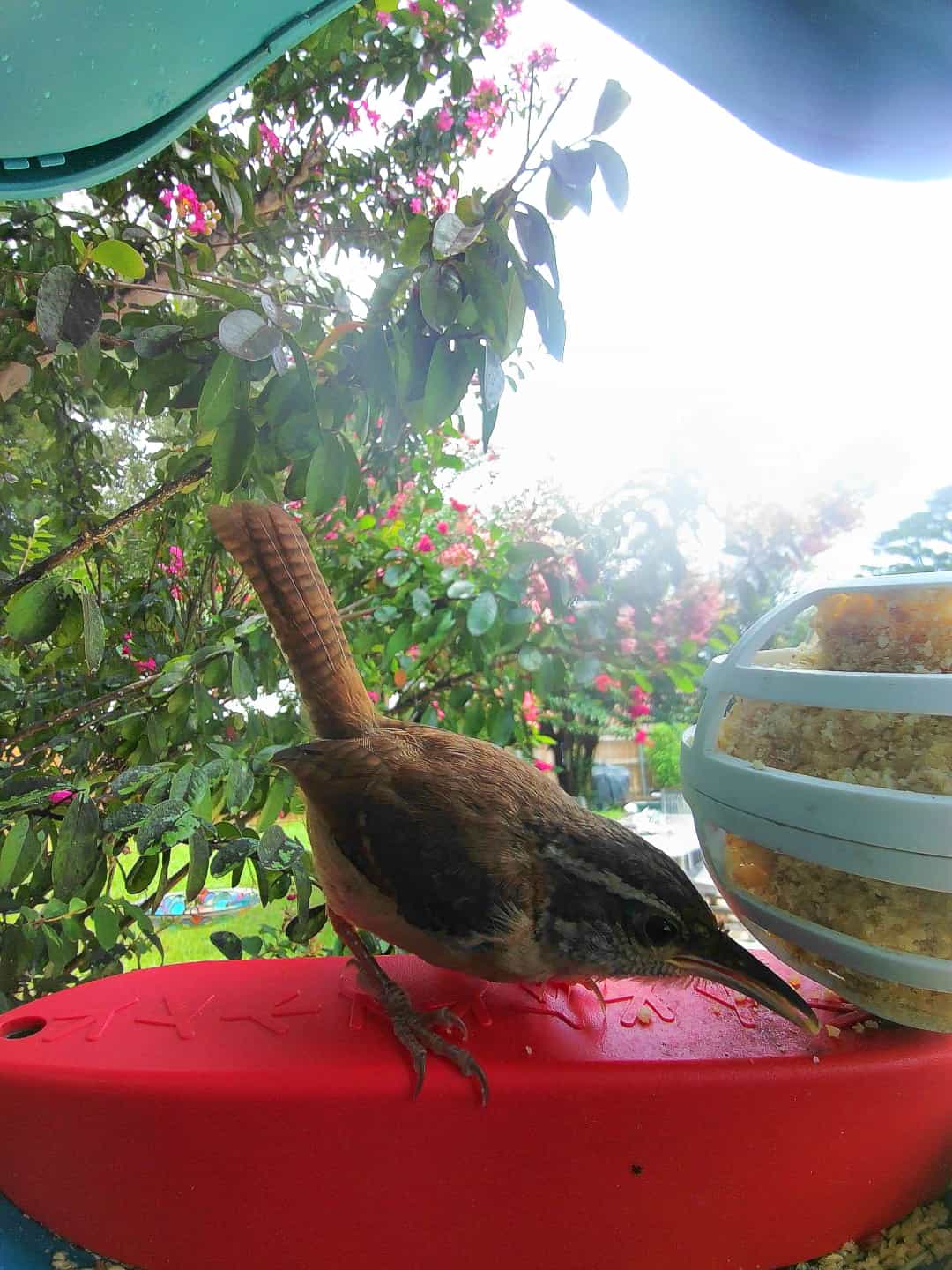
Bewick’s Wren vs Carolina Wren
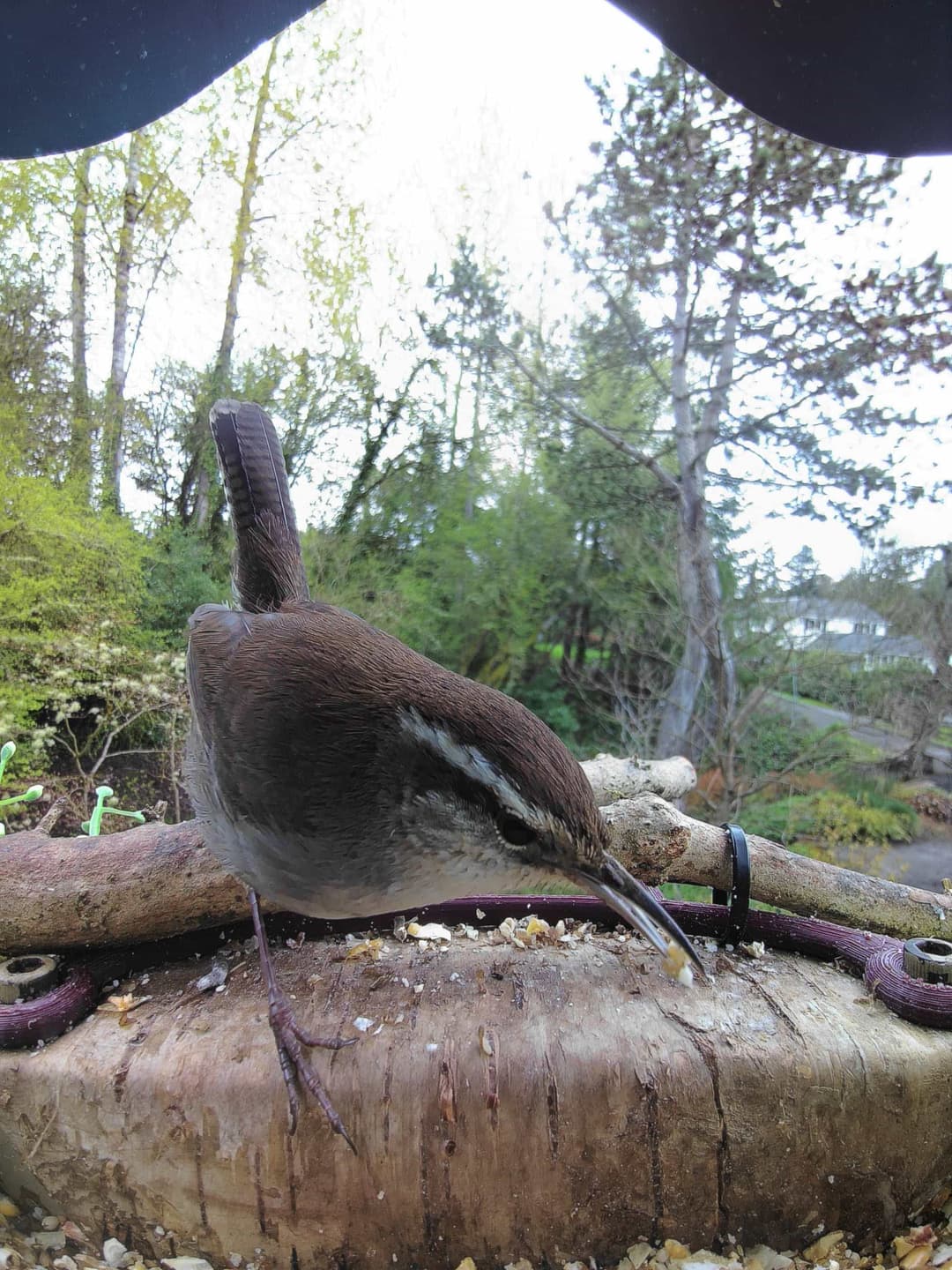
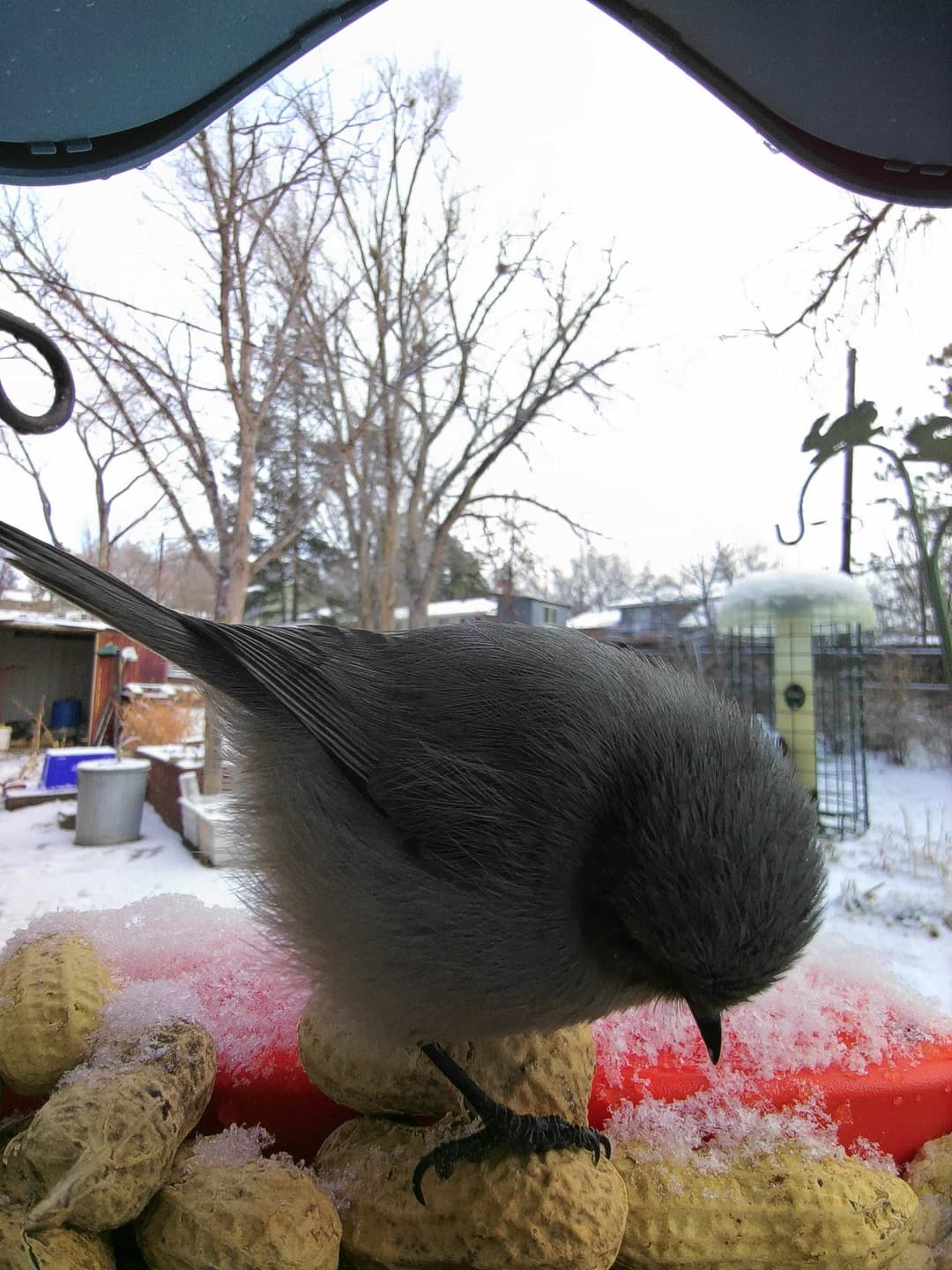
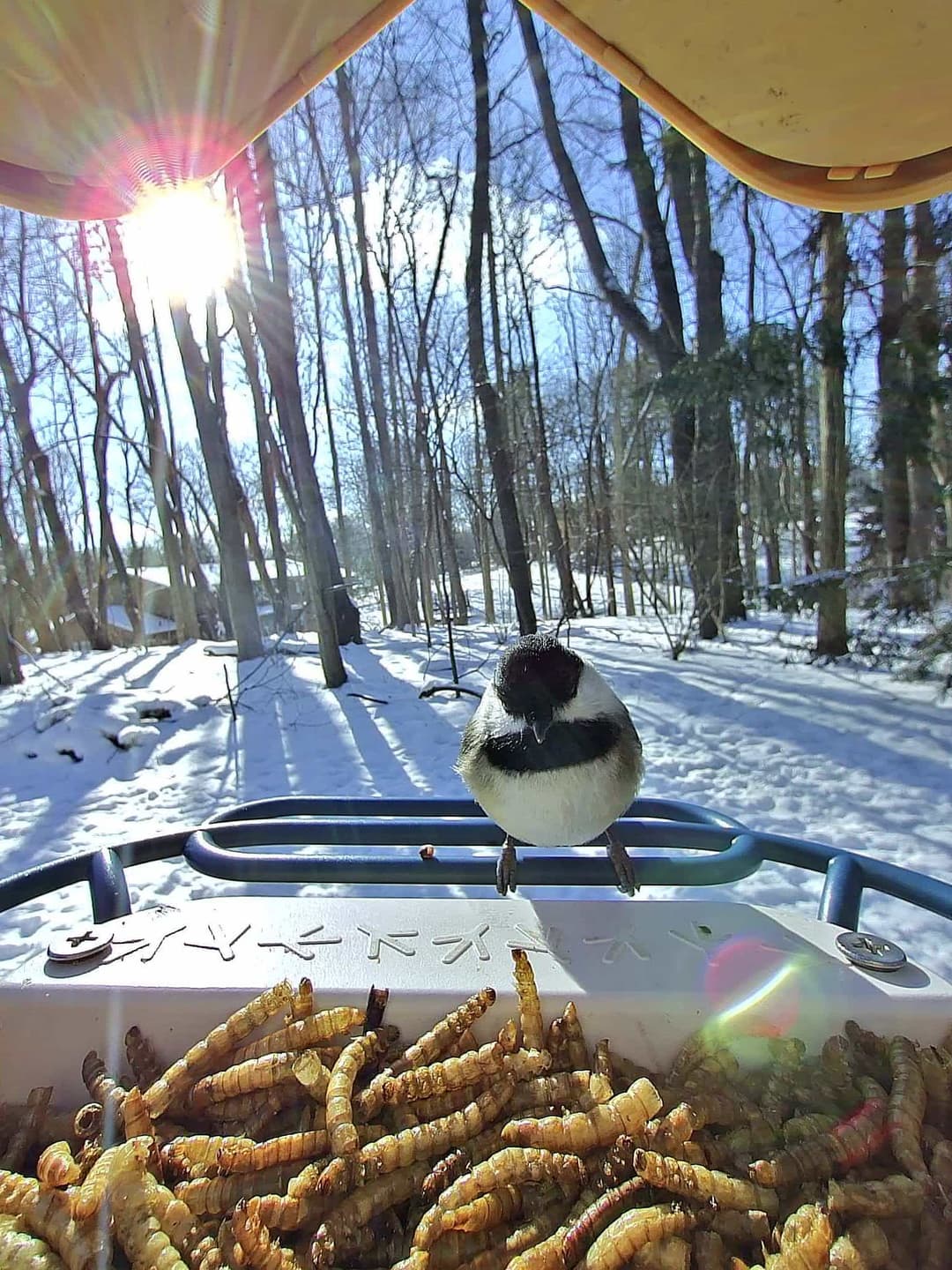
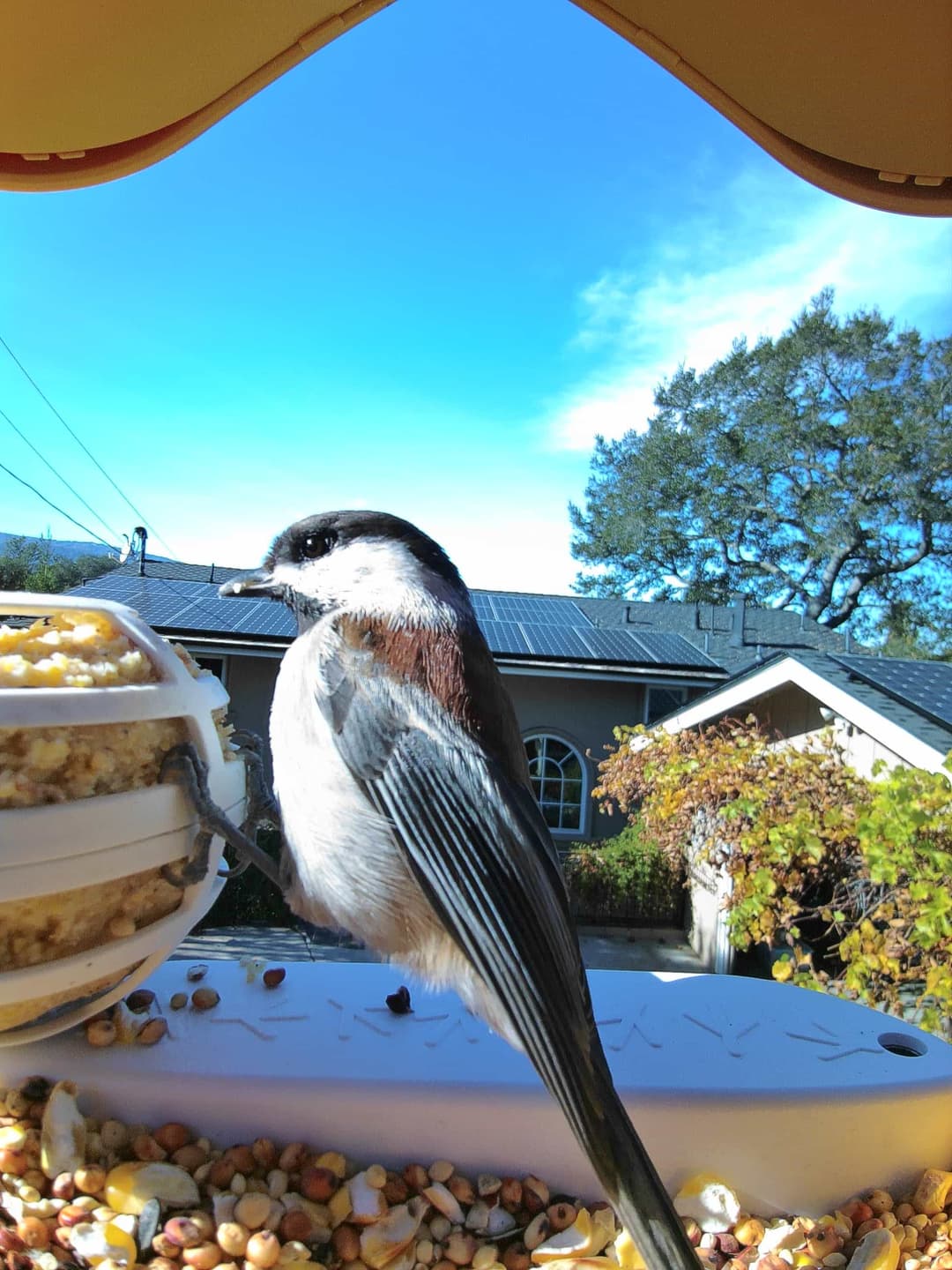
Bushtit vs Black-Capped Chickadee
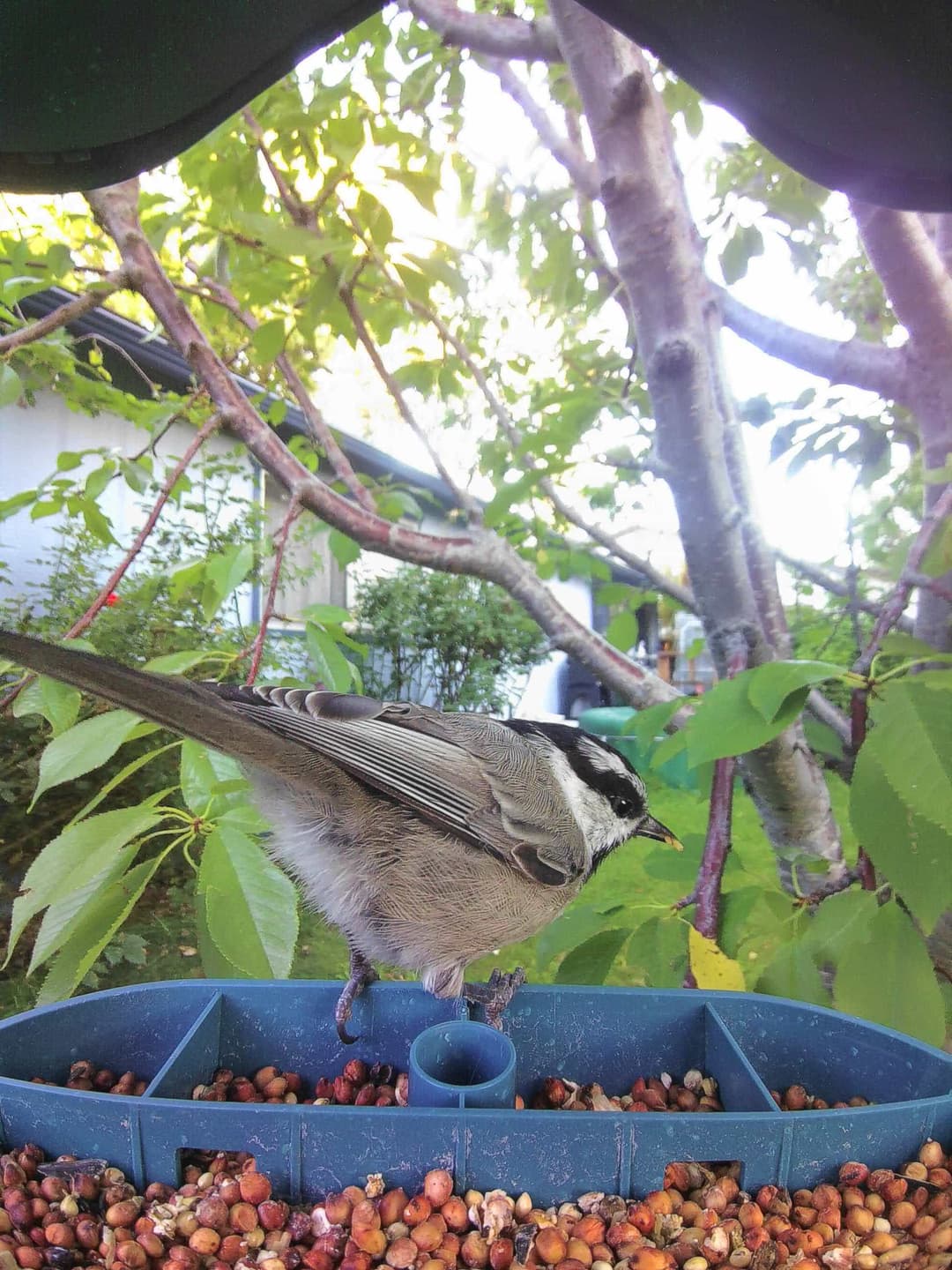
Bushtit vs Mountain Chickadee
Bewick’s Wren vs [Select a bird]

[Select a bird]
Pick a bird to compare
Bushtit vs [Select a bird]
[Select a bird]
Pick a bird to compare