Winter Wren or Bewick’s Wren?
Here's how to tell the difference


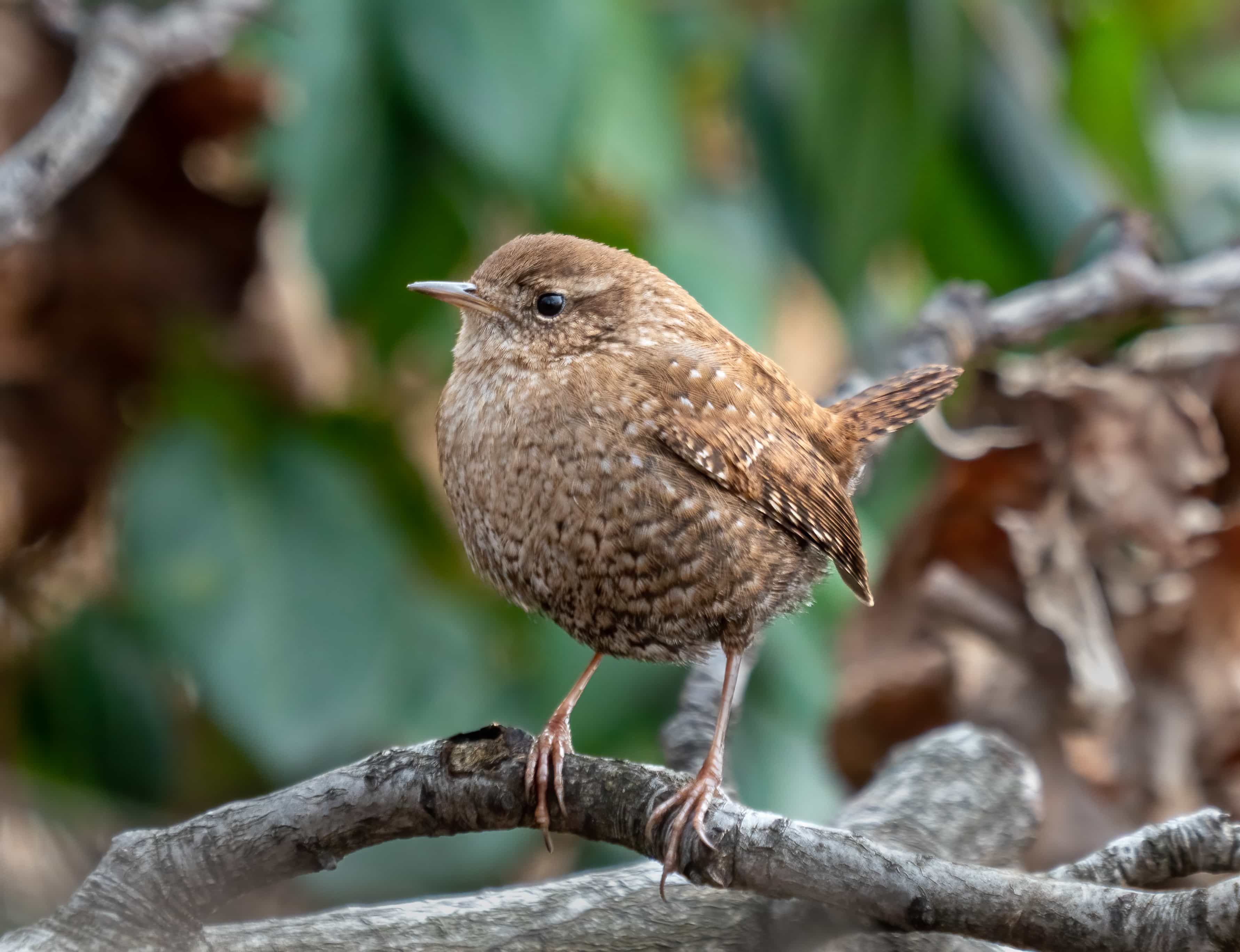
Winter Wren
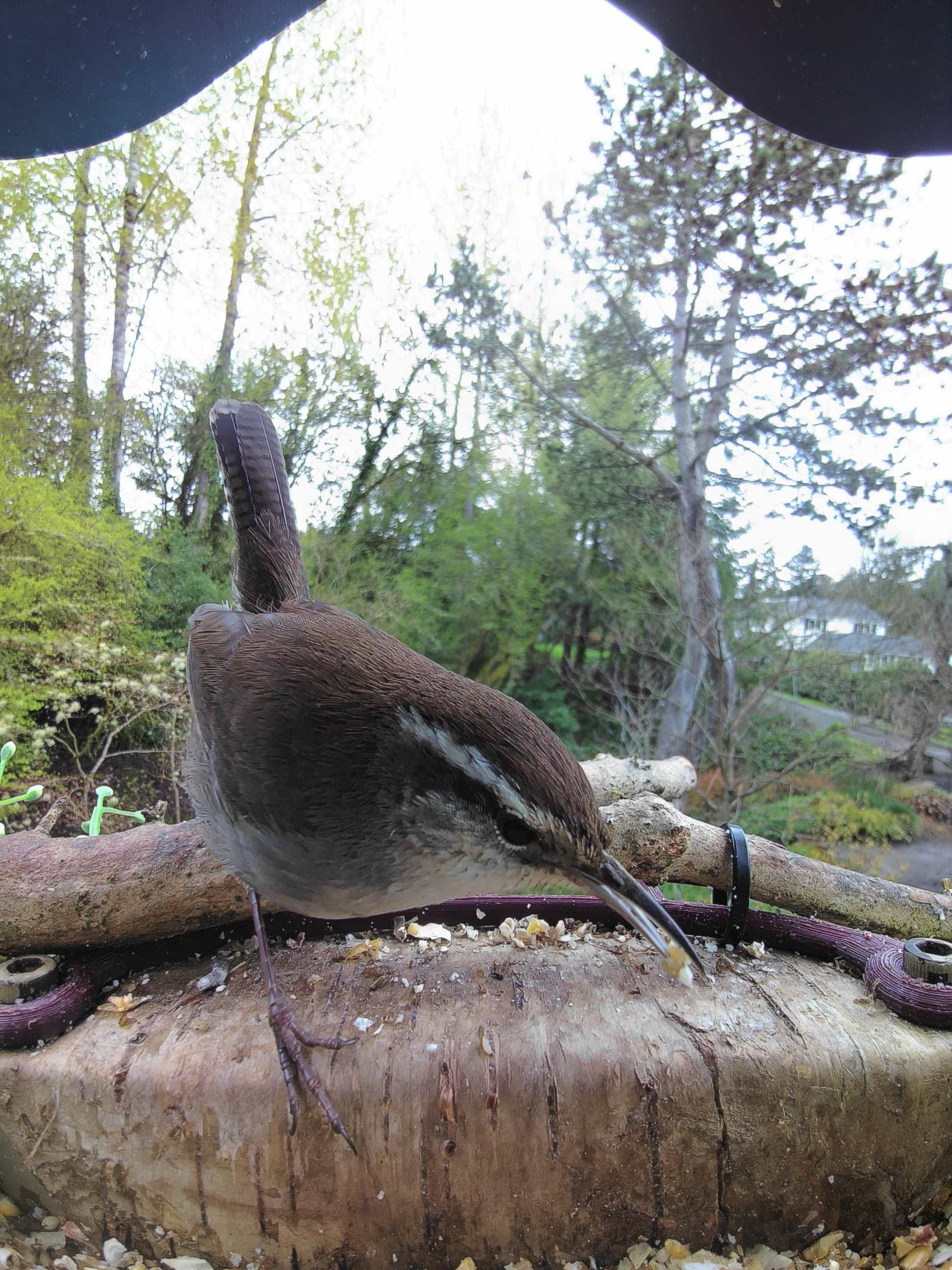


Bewick’s Wren
Winter Wren
Troglodytes hiemalis
General appearance
The Winter Wren is a small bird, about 10 cm in length and like a Sparrow in size. It possesses a brown and tan coloration, with stronger dark barring flanks. Its tail is short, and it has a robust, rounded-wing shape. It is generally darker than the Pacific Wren but possesses a contrasting pale throat.
Male vs female
There is little to no sexual dimorphism observed in Winter Wrens, meaning males and females appear similar. Both genders exhibit the same coloration and tail length. They're usually recognized by their distinctive callnotes.
Juvenile
Juvenile Winter Wrens also bear resemblance to adults, possessing similar coloration. Their dark barring on the flanks might appear less defined. As the little birds mature, they will develop the characteristic throat paleness and distinct call notes of the adults.
Size
3.1 - 4.7 in/0.3 - 0.4 oz
There's more to learn about Winter Wren
View full detailsBewick’s Wren
Thryomanes bewickii
General appearance
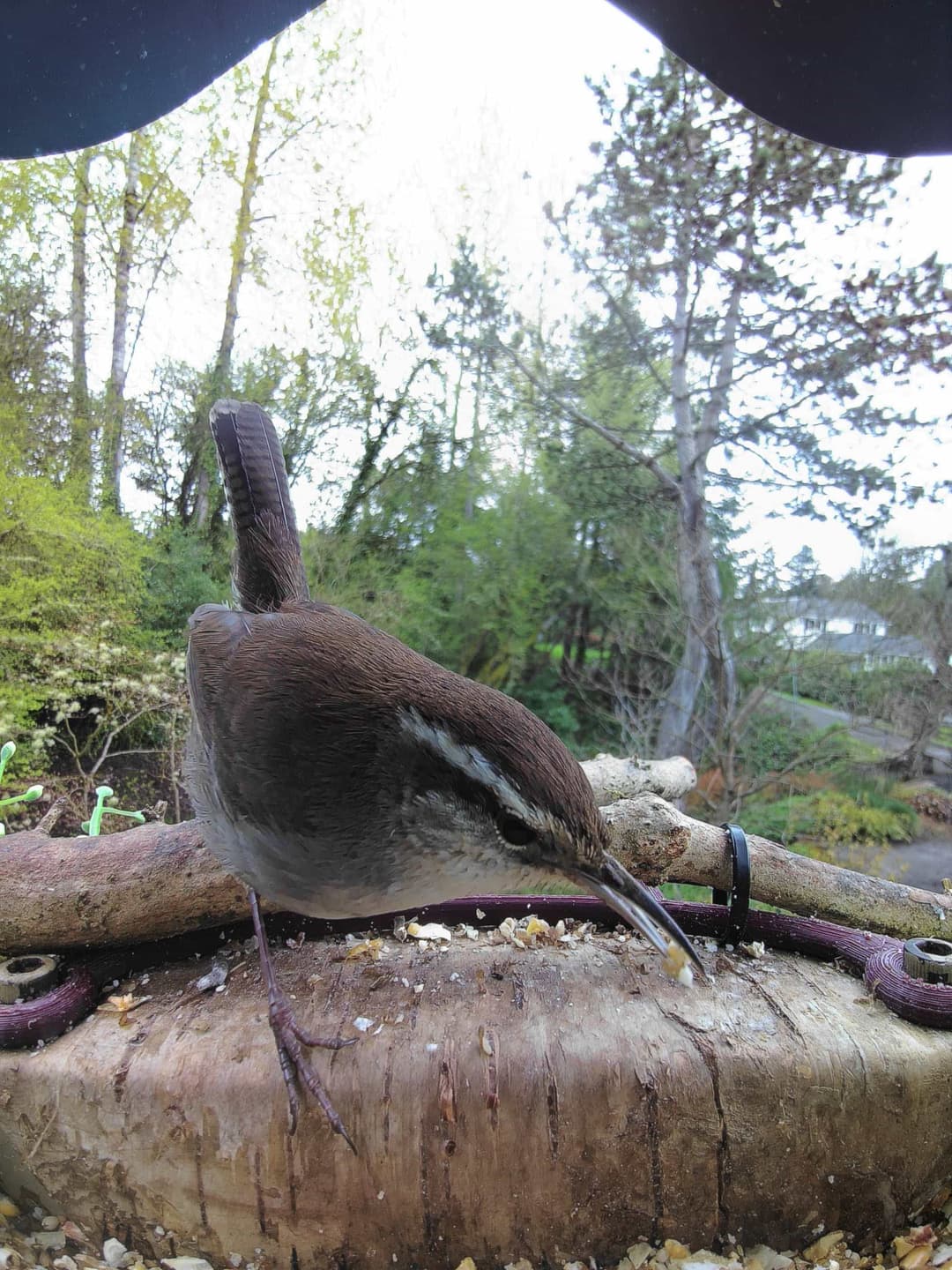
The Bewick's wren is a small bird that measures approximately 5 1/2 inches or 14cm in size. It is characterized by its white eyebrow and its long tail, which it often flips back and forth. The bird's back displays a dull brown color, while its underparts are of a pale gray hue. Notable features include white corners of the tail and eastern birds which are known to be more rich in color. The wren's overall size is akin to a Sparrow.
Male vs female
There are no significant differences in the outward physical appearance between male and female Bewick's wrens. Both the sexes exhibit the same coloration and size. However, the meticulous listener can distinguish between a male and female by their song, as vocalization in Bewick's wrens differs by gender.
Juvenile
Juvenile Bewick's wrens resemble adults but are somewhat paler in coloration. The white eyebrow characteristic of adults may not be prominently seen in young birds. As with many other bird species, juveniles mature over time and gradually acquire the definitive adult plumage.
Size
5.1 - 5.5 in/0.3 - 0.4 oz
There's more to learn about Bewick’s Wren
View full detailsHow to tell the Winter Wren from the Bewick’s Wren
Visual differences
The Winter Wren is smaller at about 3.1-4.7 inches, with a short tail, robust body, and dark brown and tan plumage with dark barring on the flanks. In contrast, Bewick's Wren measures around 5.5 inches, has a longer tail often flipped back and forth, and features a distinct white eyebrow. Its back is dull brown and underparts pale gray. Both species are similar in size to a sparrow, but key differences are the Winter Wren’s darker coloration and the Bewick's Wren’s longer tail and distinctive white eyebrow.
Key differences and behavior
Winter Wrens (Troglodytes hiemalis) and Bewick's Wrens (Thryomanes bewickii) are both insectivorous, but Winter Wrens focus more on insects like beetles and caterpillars, occasionally eating small fish and berries, whereas Bewick's Wrens also consume seeds and berries. Winter Wrens thrive in moist coniferous forests, preferring dense undergrowth near water, while Bewick's Wrens inhabit drier, brushy areas like chaparral and suburban settings. Winter Wrens males construct multiple nests to court females, whereas Bewick's Wrens build versatile nests, sometimes using unique materials like snakeskin. Winter Wrens' powerful songs contrast with Bewick's Wrens, who learn songs from neighbors, showcasing regional variations. Notably, Bewick's Wrens may puncture nearby eggs. Both species display minimal sexual dimorphism, yet their vocalizations differ by gender; Bewick’s Wrens can be more distinguishable this way.
Still not sure? Here are more lookalikes!
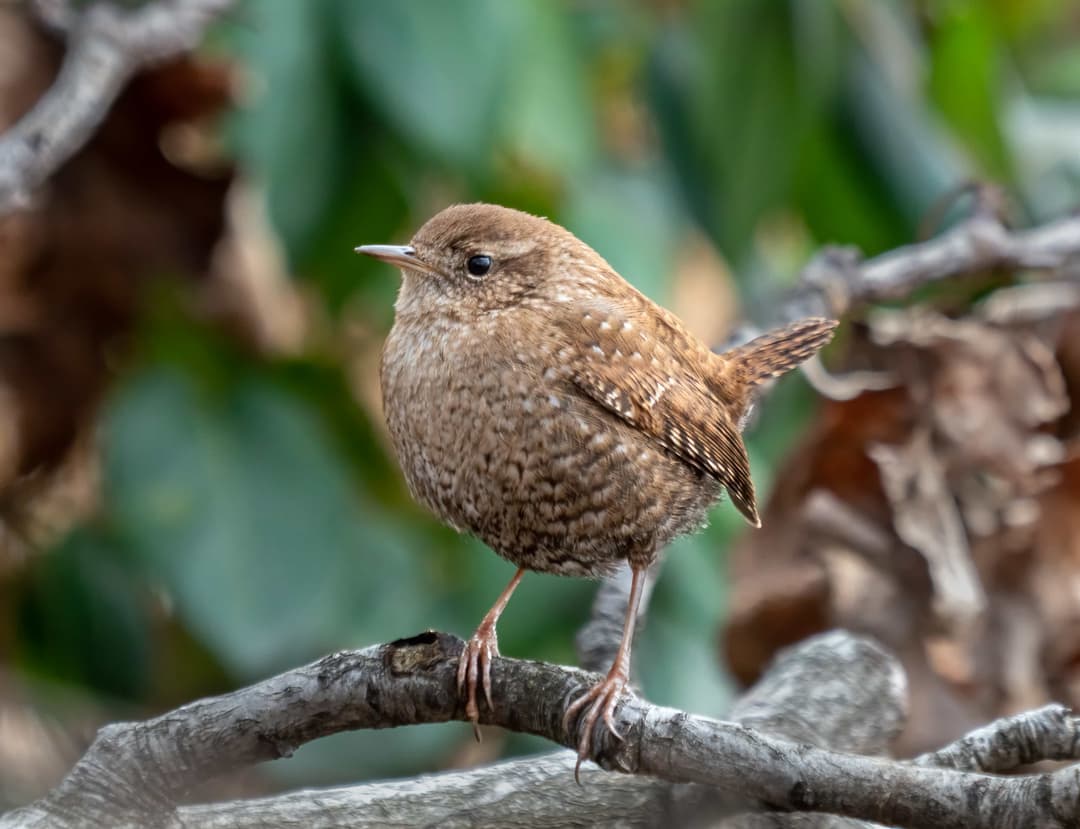
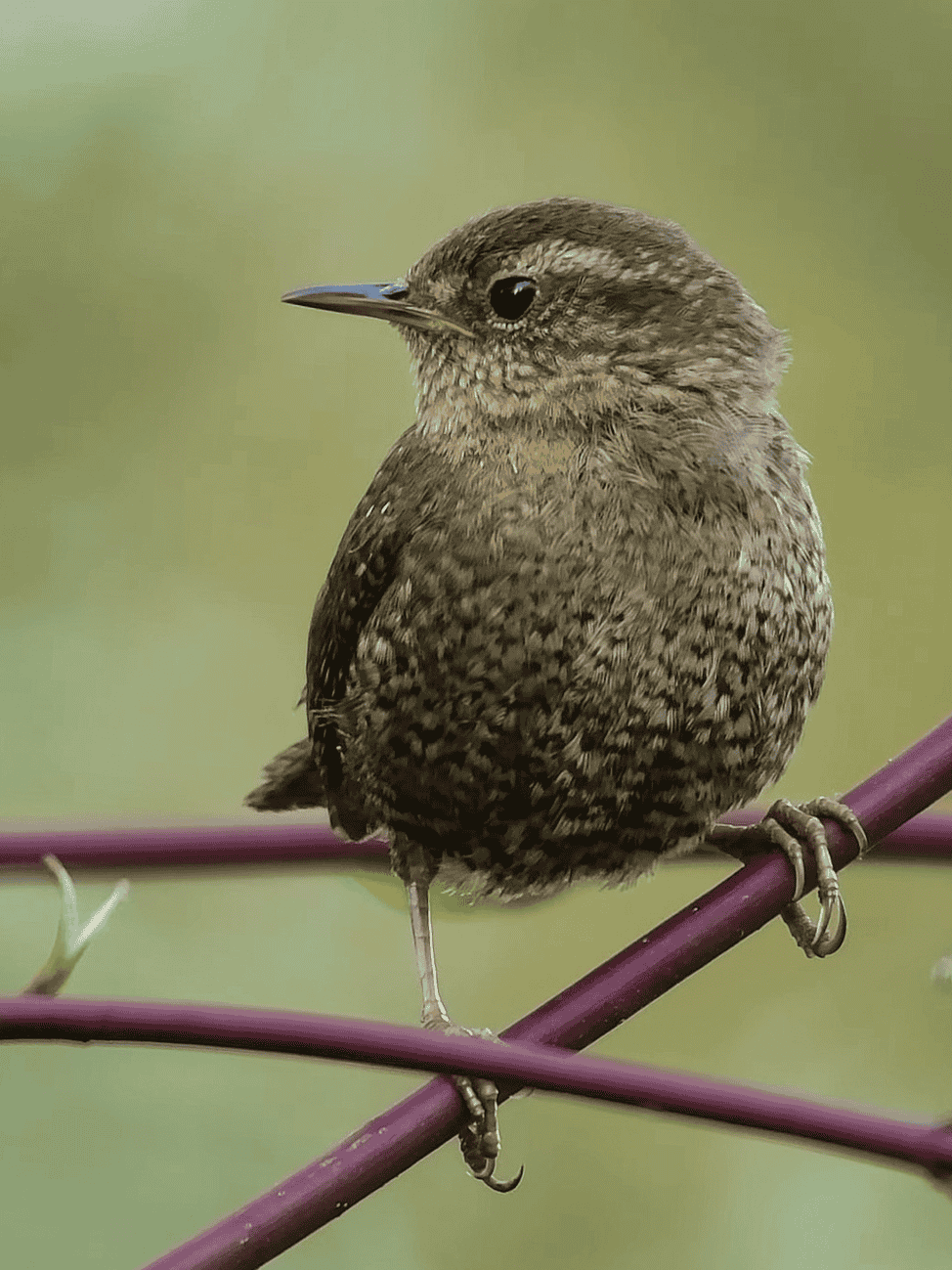
Bewick’s Wren vs Carolina Wren
Winter Wren vs [Select a bird]

[Select a bird]
Pick a bird to compare
Bewick’s Wren vs [Select a bird]
[Select a bird]
Pick a bird to compare