Southern House Wren or Eurasian Wren?
Here's how to tell the difference

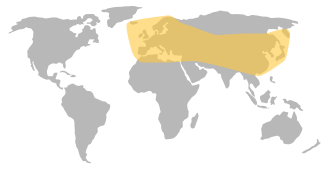

Southern House Wren


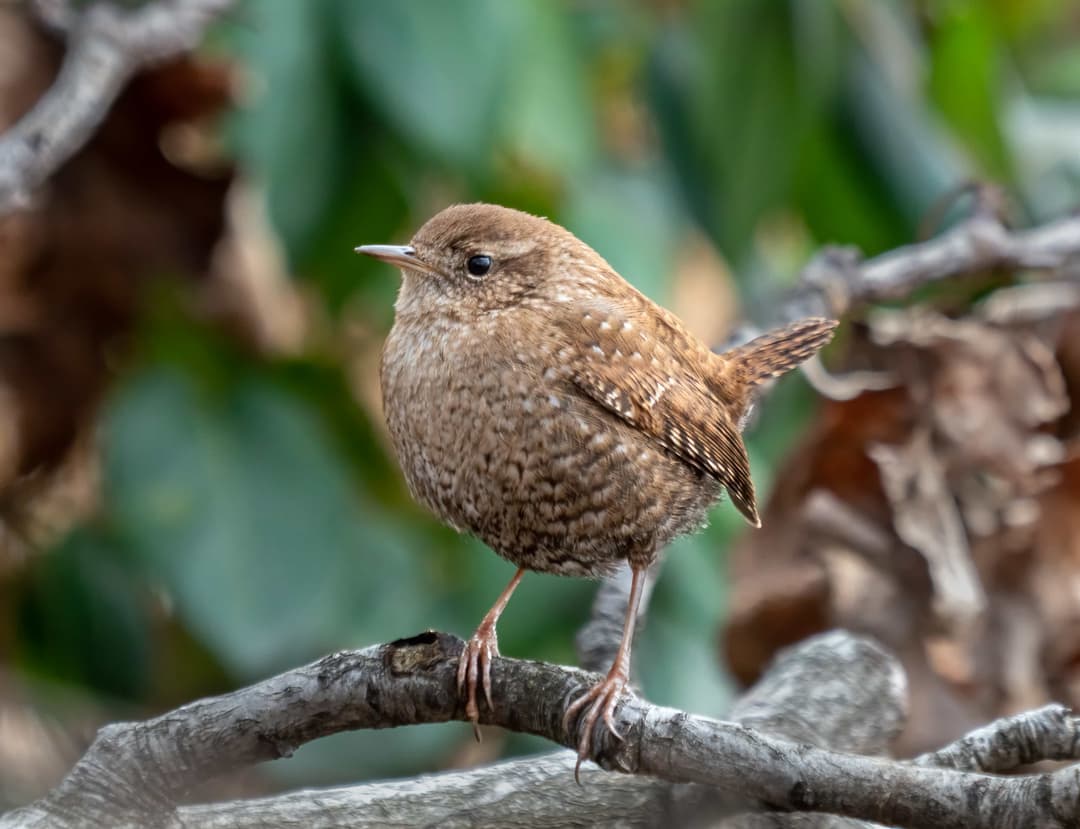
Eurasian Wren
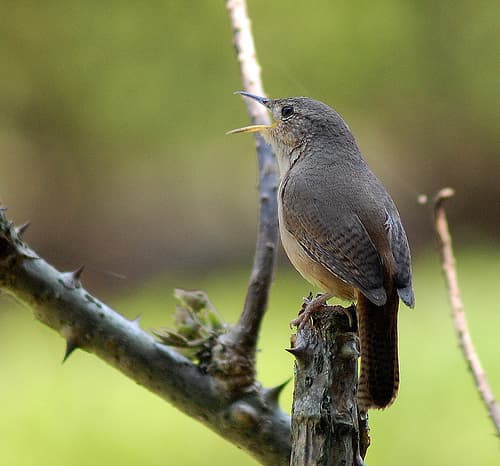
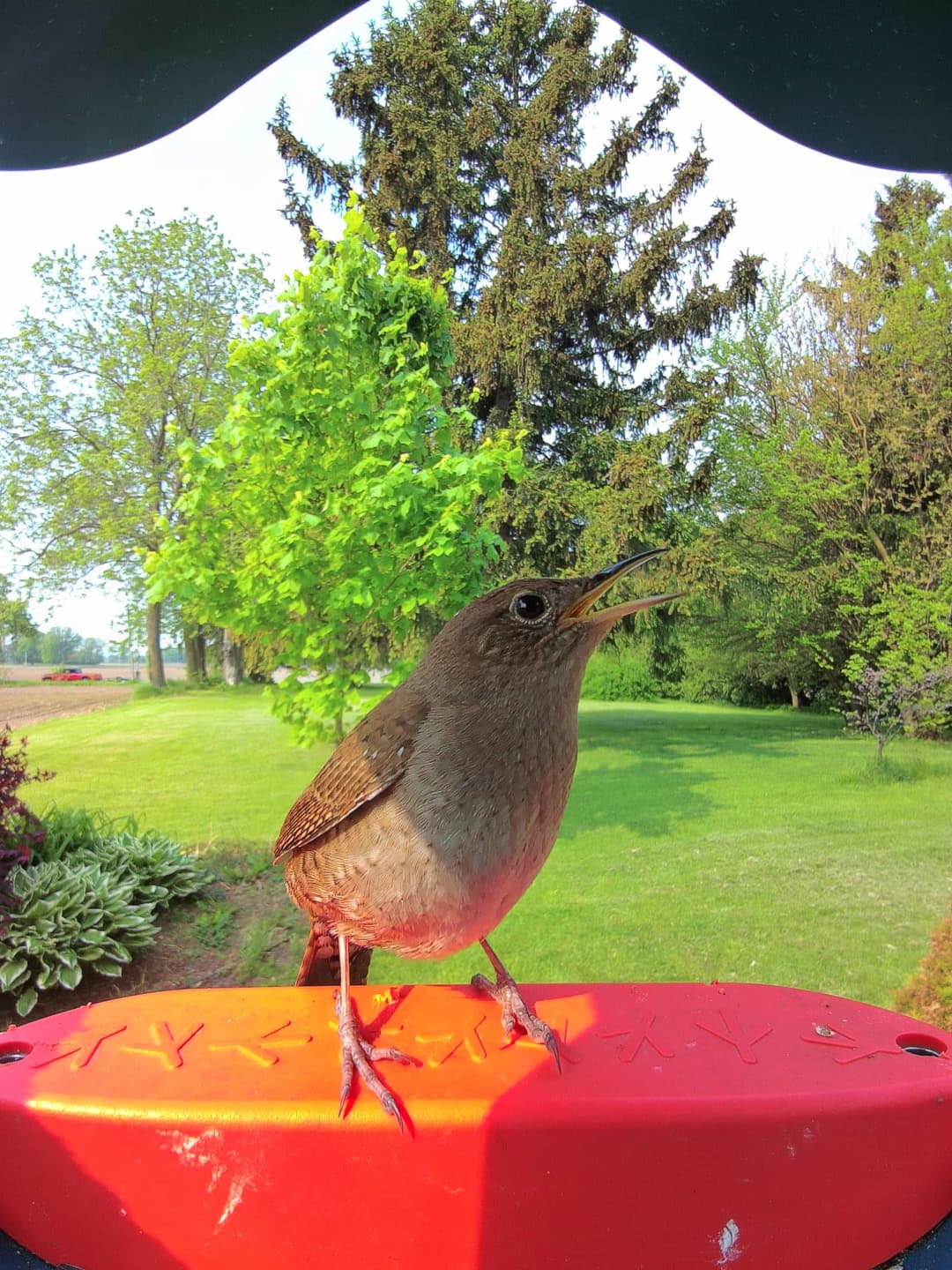
Southern House Wren
Troglodytes musculus
General appearance
The Southern House Wren is a small, sturdy bird, measuring about 11 cm in length. It has brown plumage overall with a darker barring on the wings and tail. The abdomen is lighter with fine, dark barring. Its beak is long, thin, and slightly curved, with a pointed tip.
Male vs female
Sexes of the Southern House Wren are similar in plumage color and pattern. Both have brown bodies with dark barring, and a light belly. However, male wrens often appear slightly larger and may have a slightly brighter eye-ring.
Juvenile
Juvenile Southern House Wrens resemble adults but have softer, fluffier plumage, and their barring may be less distinct. They also have a faint eye-ring.
Size
3.9 - 4.7 in/0.4 oz
There's more to learn about Southern House Wren
View full detailsEurasian Wren
Troglodytes troglodytes
General appearance
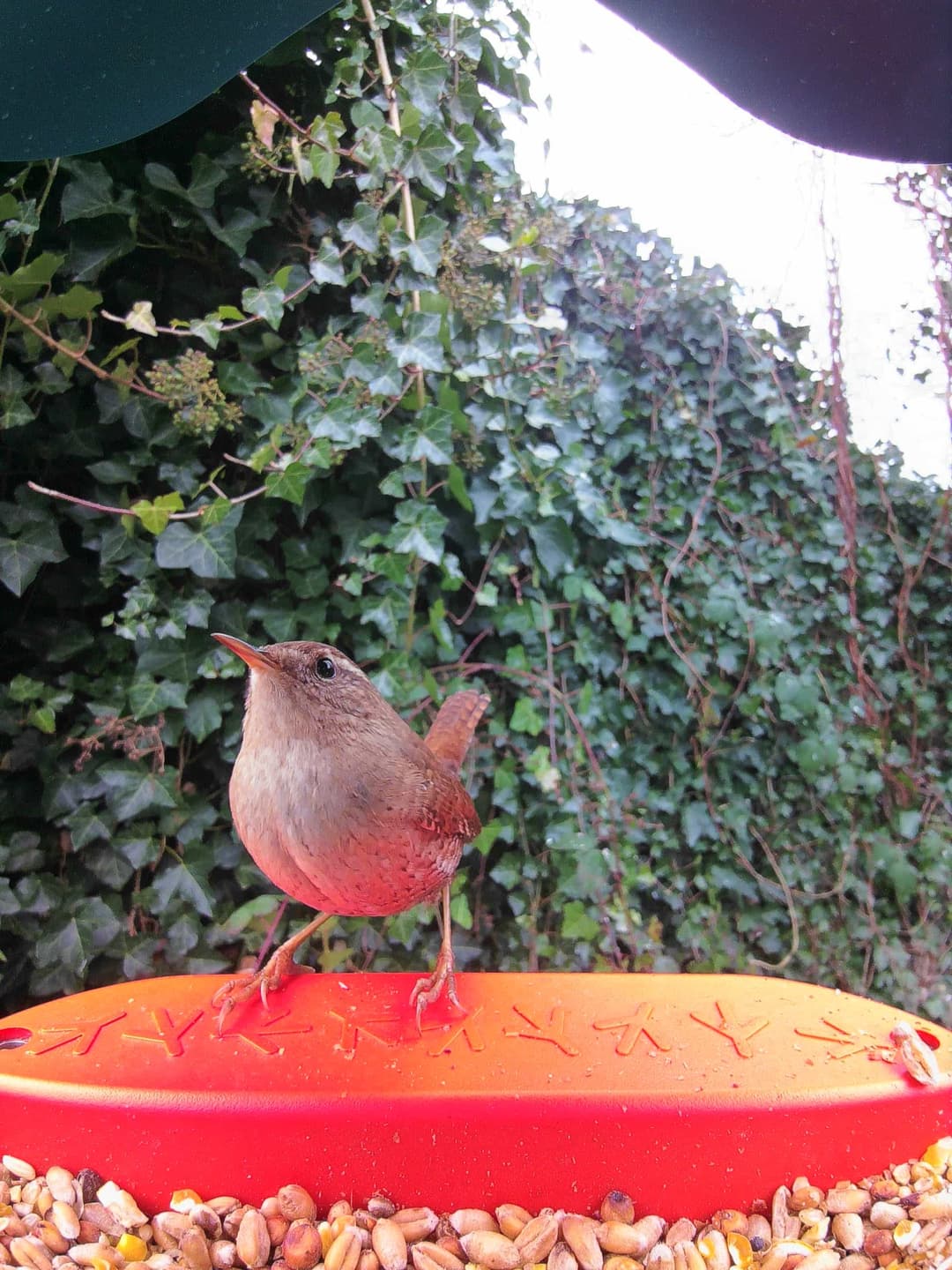
The Eurasian wren is a small, compact bird with a rounded body and short tail often held upright. Its plumage is predominantly brown with darker barring and a pale underbelly. The bird has a fine, pointed bill and a distinctive supercilium stripe above the eyes.
Male vs female
Males and females of the Eurasian wren are similar in appearance, with no significant differences in size or coloration. Both sexes share the same brown plumage and markings.
Juvenile
Juvenile Eurasian wrens resemble adults but are slightly duller with less distinct barring. They may also have a less pronounced supercilium stripe. Juveniles develop the adult plumage as they mature.
Size
3.5 - 3.9 in/0.3 - 0.5 oz
There's more to learn about Eurasian Wren
View full detailsHow to tell the Southern House Wren from the Eurasian Wren
Visual differences
The Southern House Wren is slightly larger, measuring around 4.3-4.7 inches, with uniformly brown plumage and distinct dark barring on wings and tail. Its beak is long, thin, and slightly curved. In contrast, the Eurasian Wren is smaller at 3.5-3.9 inches, featuring a rounded body, short tail often held upright, and a distinguishing supercilium stripe over the eye. Both have brown plumage but with a paler underbelly. The Eurasian Wren’s bill is also fine and pointed but lacks the curvature of the Southern House Wren.
Key differences and behavior
The Southern House Wren (Troglodytes musculus) and Eurasian Wren (Troglodytes troglodytes) exhibit notable behavioral and ecological differences. Southern House Wrens are bold and adapt well to urban environments, often nesting near humans in places like mailboxes. They are highly vocal, especially during breeding, with males energetically defending territories. Conversely, Eurasian Wrens, though also vocal, choose forested and rocky areas across Europe and Asia, showing less affinity for urban spaces. Breeding behaviors differ, as Southern House Wrens use existing cavities for nests, while male Eurasian Wrens build multiple nests for females to select. Both species focus on insect diets, but the Southern House Wren also consumes small amounts of seeds. Southern House Wrens are larger, measuring about 4.5 inches, compared to the Eurasian Wren's 3.5-4 inches, though they are similar in weight. Both species show remarkable resourcefulness in adapting to different habitats and food sources.
Still not sure? Here are more lookalikes!

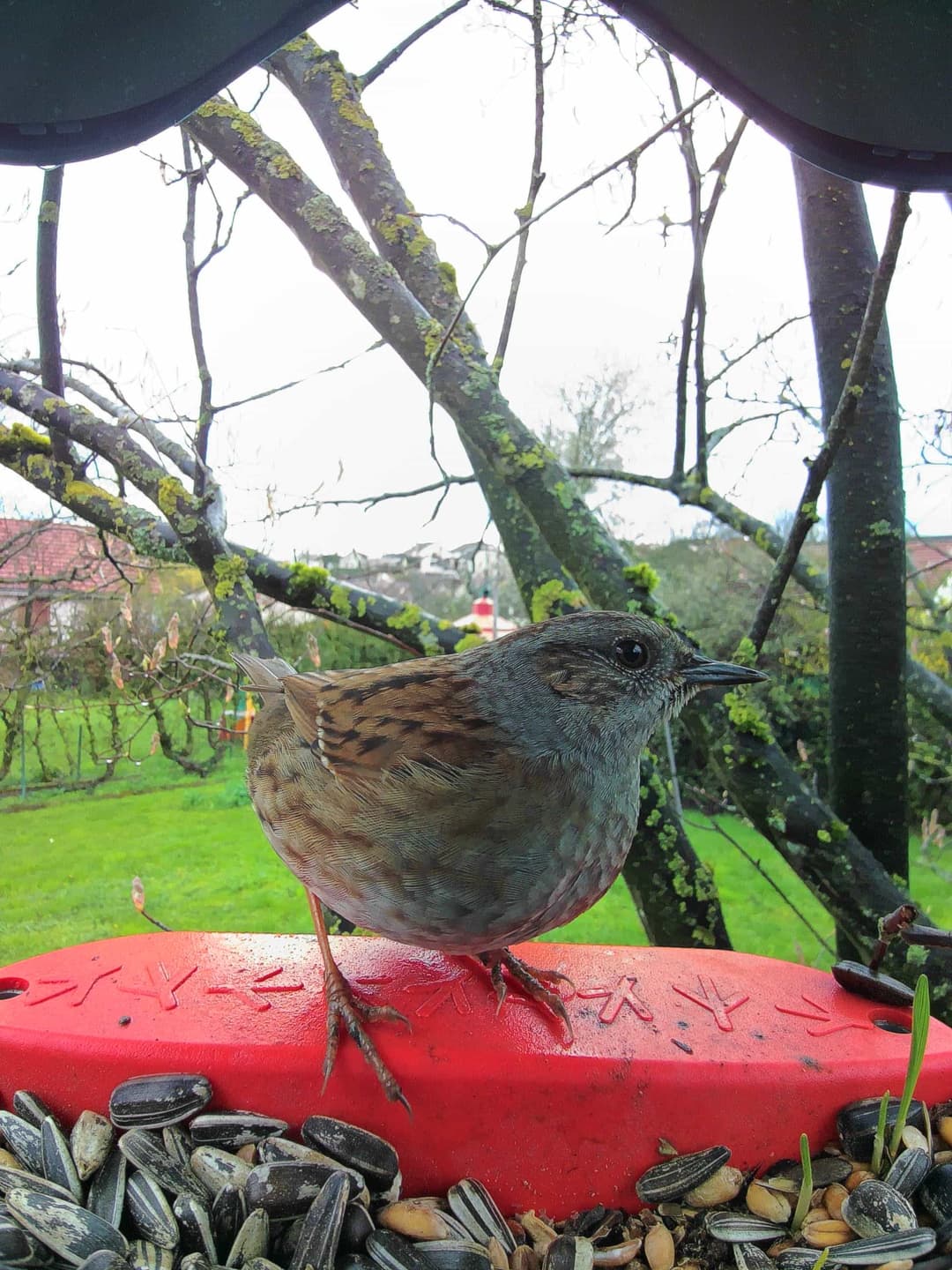
Eurasian Wren vs Dunnock
Southern House Wren vs [Select a bird]

[Select a bird]
Pick a bird to compare
Eurasian Wren vs [Select a bird]
[Select a bird]
Pick a bird to compare