Southern House Wren or Winter Wren?
Here's how to tell the difference



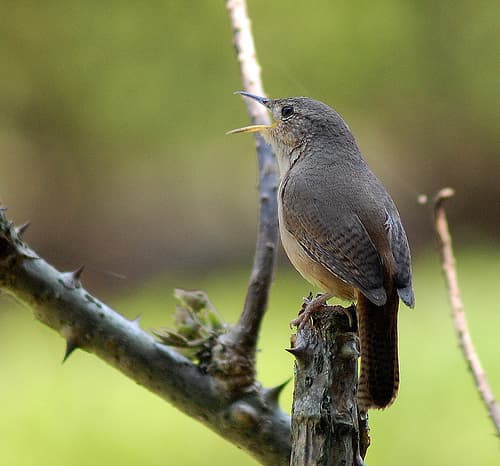
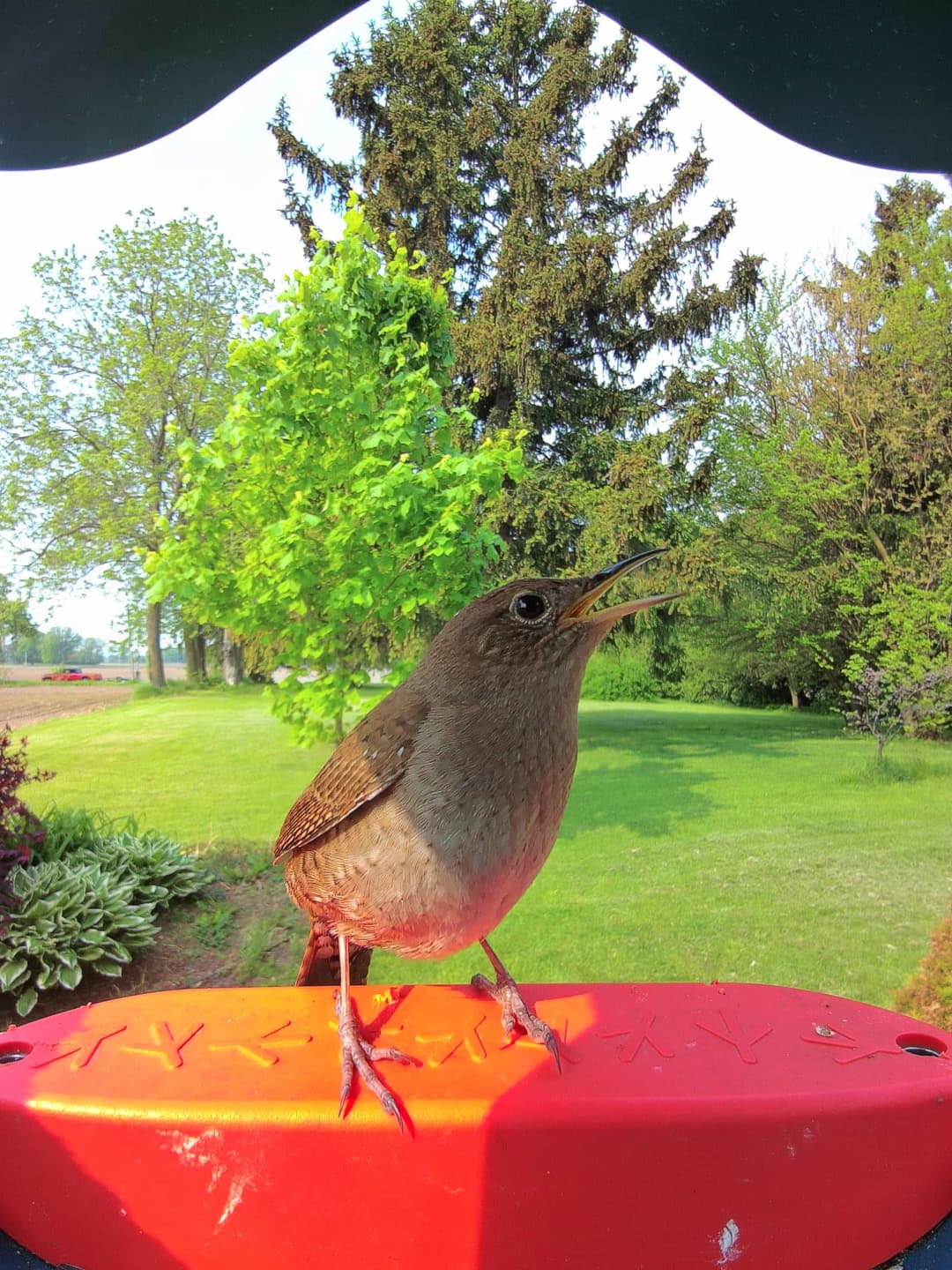
Southern House Wren
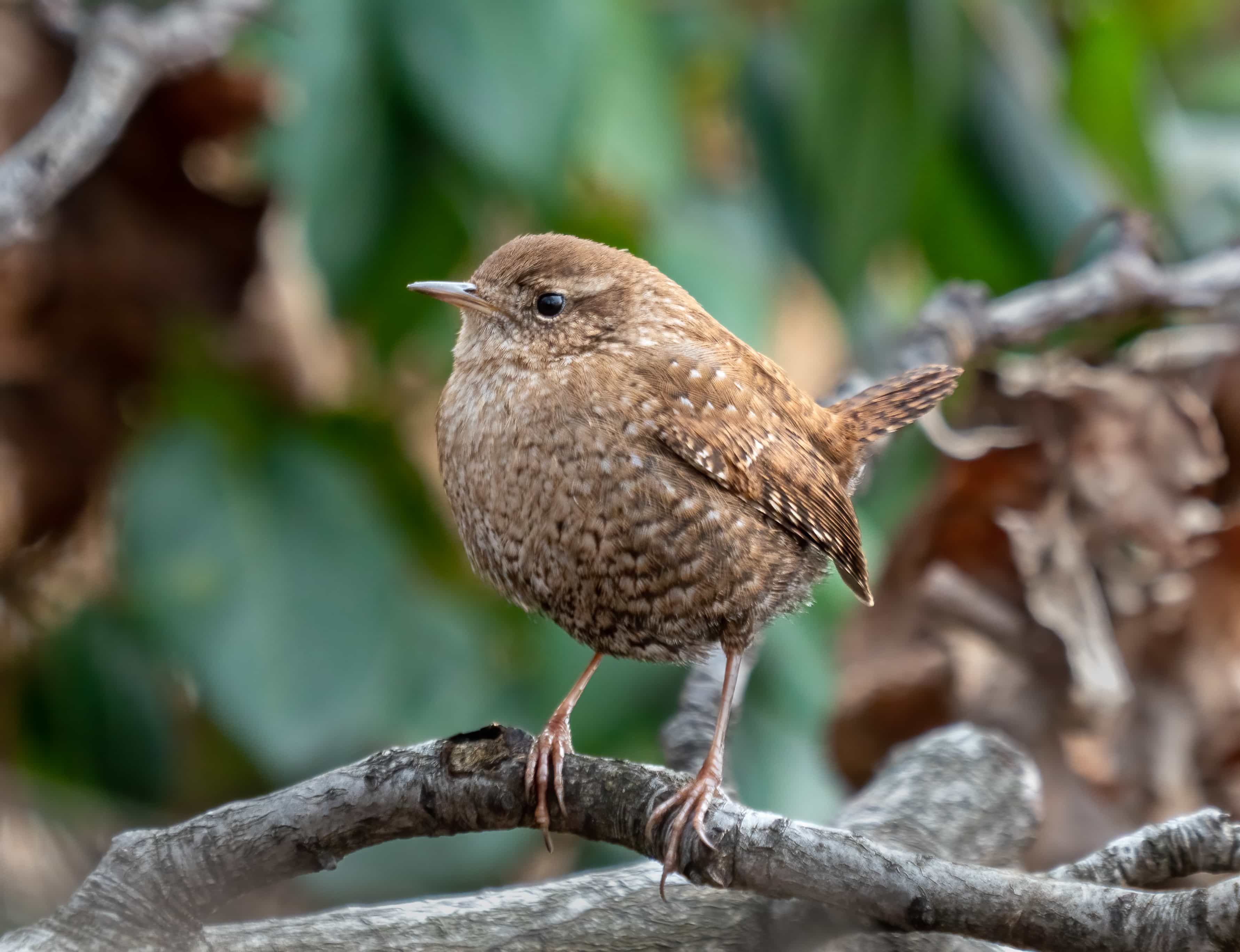
Winter Wren
Southern House Wren
Troglodytes musculus
General appearance
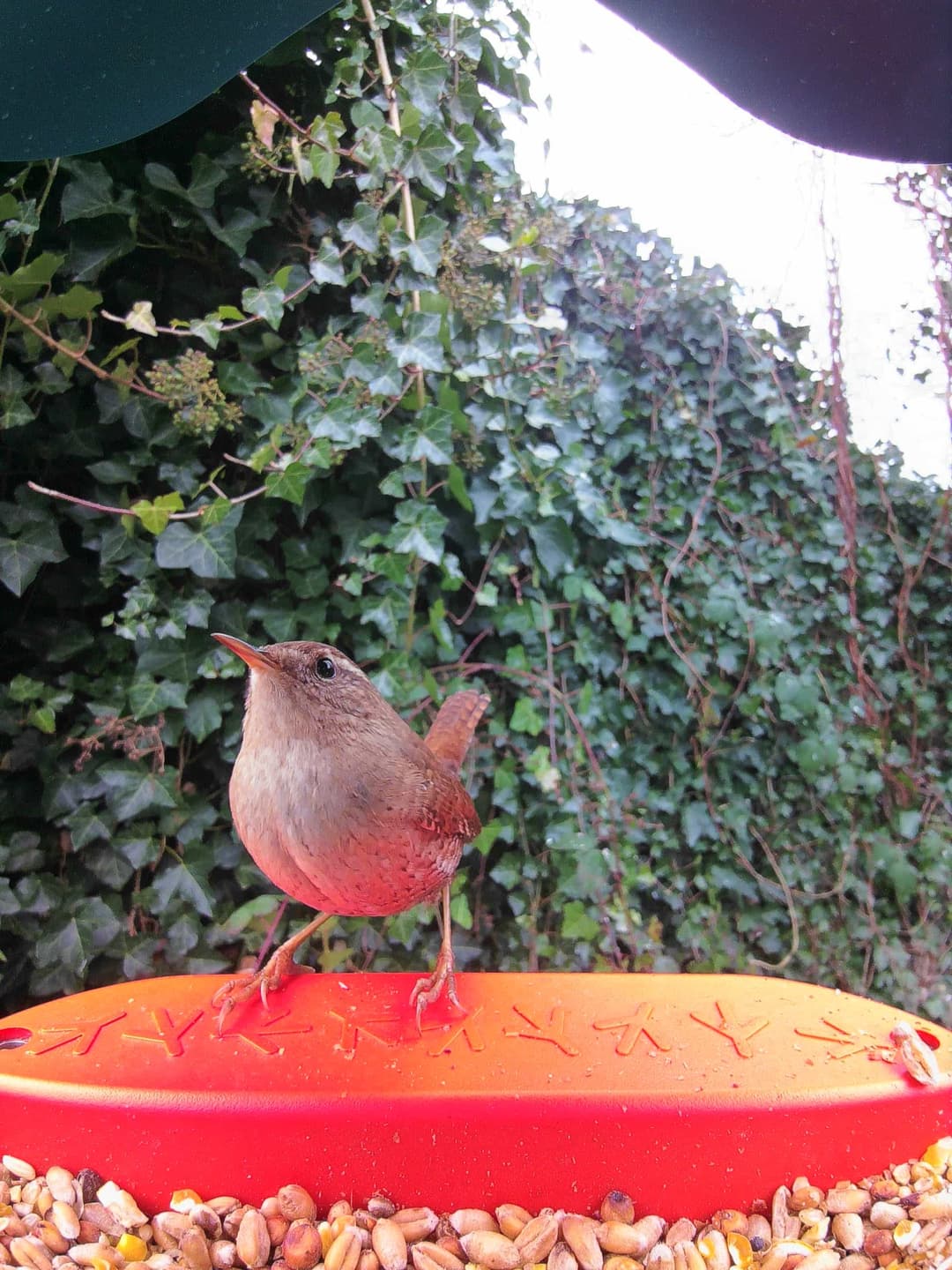
The Southern House Wren is a small, sturdy bird, measuring about 11 cm in length. It has brown plumage overall with a darker barring on the wings and tail. The abdomen is lighter with fine, dark barring. Its beak is long, thin, and slightly curved, with a pointed tip.
Male vs female
Sexes of the Southern House Wren are similar in plumage color and pattern. Both have brown bodies with dark barring, and a light belly. However, male wrens often appear slightly larger and may have a slightly brighter eye-ring.
Juvenile
Juvenile Southern House Wrens resemble adults but have softer, fluffier plumage, and their barring may be less distinct. They also have a faint eye-ring.
Size
3.9 - 4.7 in/0.4 oz
There's more to learn about Southern House Wren
View full detailsWinter Wren
Troglodytes hiemalis
General appearance
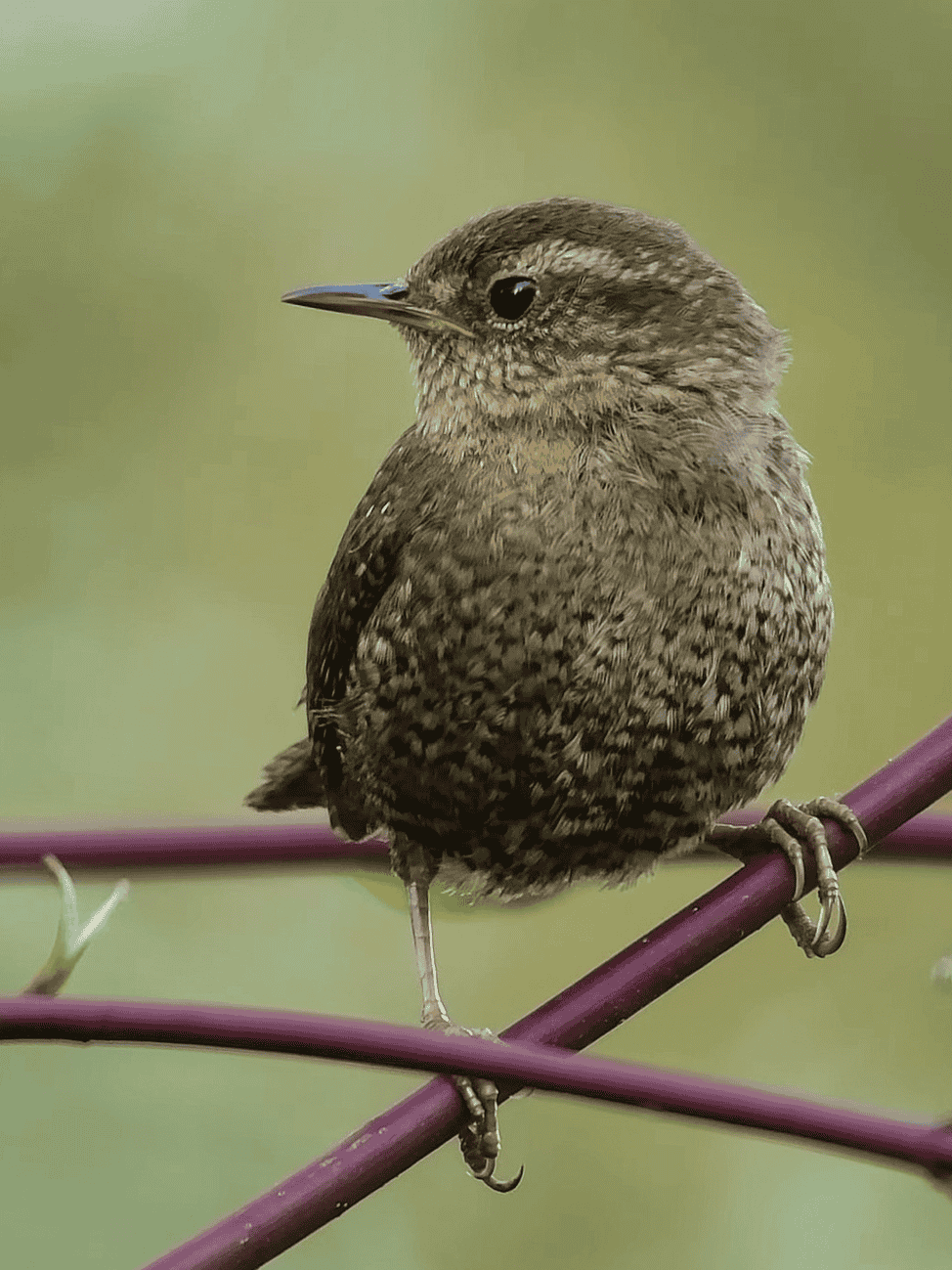
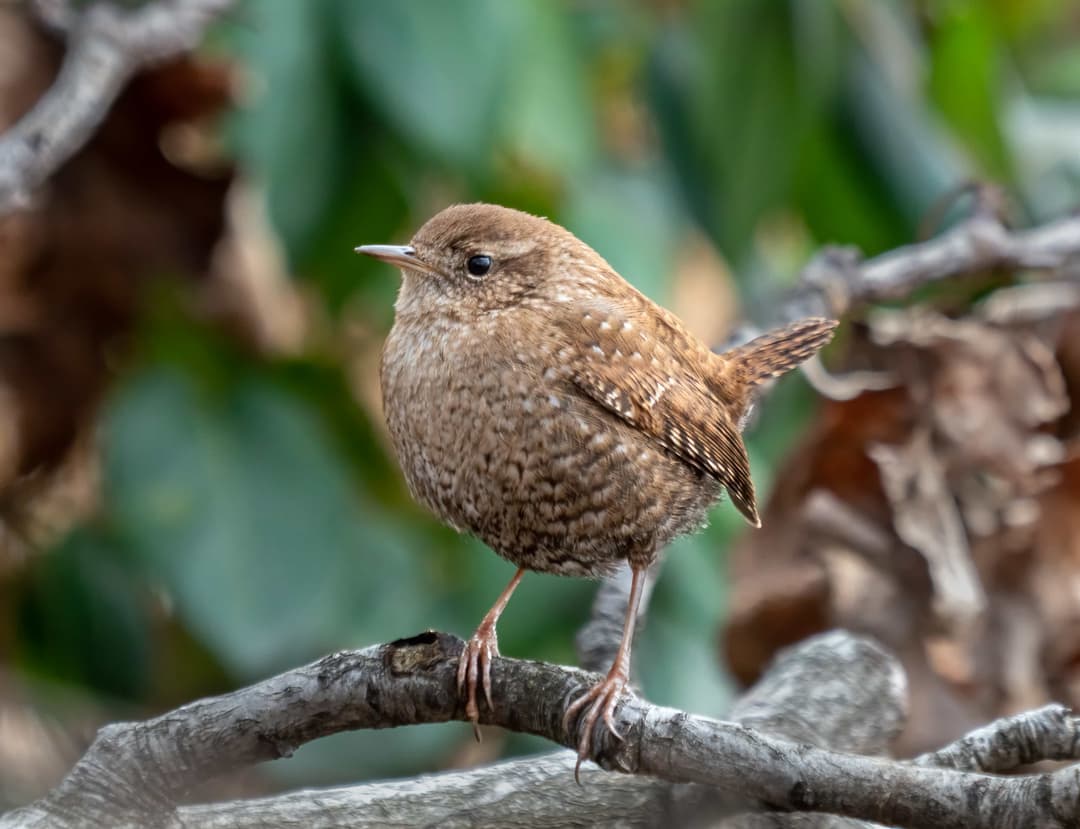
The Winter Wren is a small bird, about 10 cm in length and like a Sparrow in size. It possesses a brown and tan coloration, with stronger dark barring flanks. Its tail is short, and it has a robust, rounded-wing shape. It is generally darker than the Pacific Wren but possesses a contrasting pale throat.
Male vs female
There is little to no sexual dimorphism observed in Winter Wrens, meaning males and females appear similar. Both genders exhibit the same coloration and tail length. They're usually recognized by their distinctive callnotes.
Juvenile
Juvenile Winter Wrens also bear resemblance to adults, possessing similar coloration. Their dark barring on the flanks might appear less defined. As the little birds mature, they will develop the characteristic throat paleness and distinct call notes of the adults.
Size
3.1 - 4.7 in/0.3 - 0.4 oz
There's more to learn about Winter Wren
View full detailsHow to tell the Southern House Wren from the Winter Wren
Visual differences
The Southern House Wren is slightly larger at about 4.3 inches, with a longer, slightly curved beak. It has lighter brown plumage with darker barring on wings and tail, and a pale abdomen with fine barring. The Winter Wren is smaller, around 4 inches, and has a brown and tan coloration with strong dark barring on flanks and a contrasting pale throat. It has a shorter tail and more rounded wings. Both have minimal sexual dimorphism, but the Southern House Wren has a distinct eye-ring, often brighter in males.
Key differences and behavior
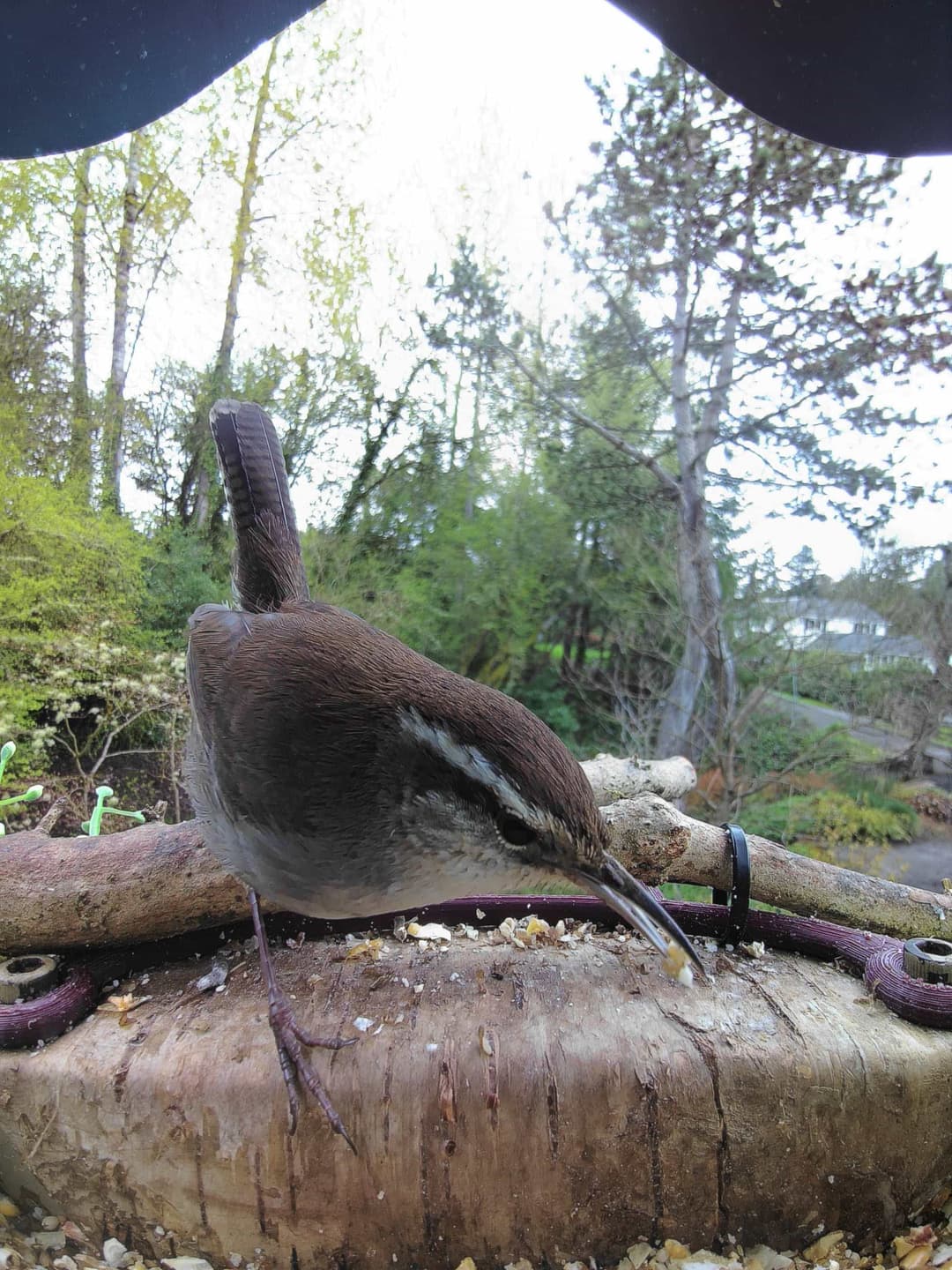
The Southern House Wren and Winter Wren differ notably in behavior and habitat. Southern House Wrens are bold, thriving in urban areas and often nesting near human habitations such as garden toolsheds, while Winter Wrens prefer secluded, moist coniferous forests near water. Southern House Wrens are vocal throughout their large range in the Americas, with males energetically defending territories. In contrast, Winter Wrens, found in North American forests, use powerful songs to attract mates, with males often building multiple nests for selection. Both primarily consume insects, but Southern House Wrens may visit feeders for mealworms, unlike Winter Wrens, which largely depend on natural sources. Their nesting preferences also differ, with Southern House Wrens using cavities, and Winter Wrens opting for hidden, below 6 feet nests. Despite their common foraging habits, these behavioral distinctions aid field identification.
Still not sure? Here are more lookalikes!
Southern House Wren vs [Select a bird]

[Select a bird]
Pick a bird to compare
Winter Wren vs [Select a bird]
[Select a bird]
Pick a bird to compare